Rising Mortality Rates Undermine Migration Compact Progress as Routes Shift
Governments convened to assess the Global Compact for Safe, Orderly and Regular Migration find that while some routes see fewer arrivals, the probability of dying at sea has increased due to longer, more dangerous journeys driven by conflict and climate shocks.
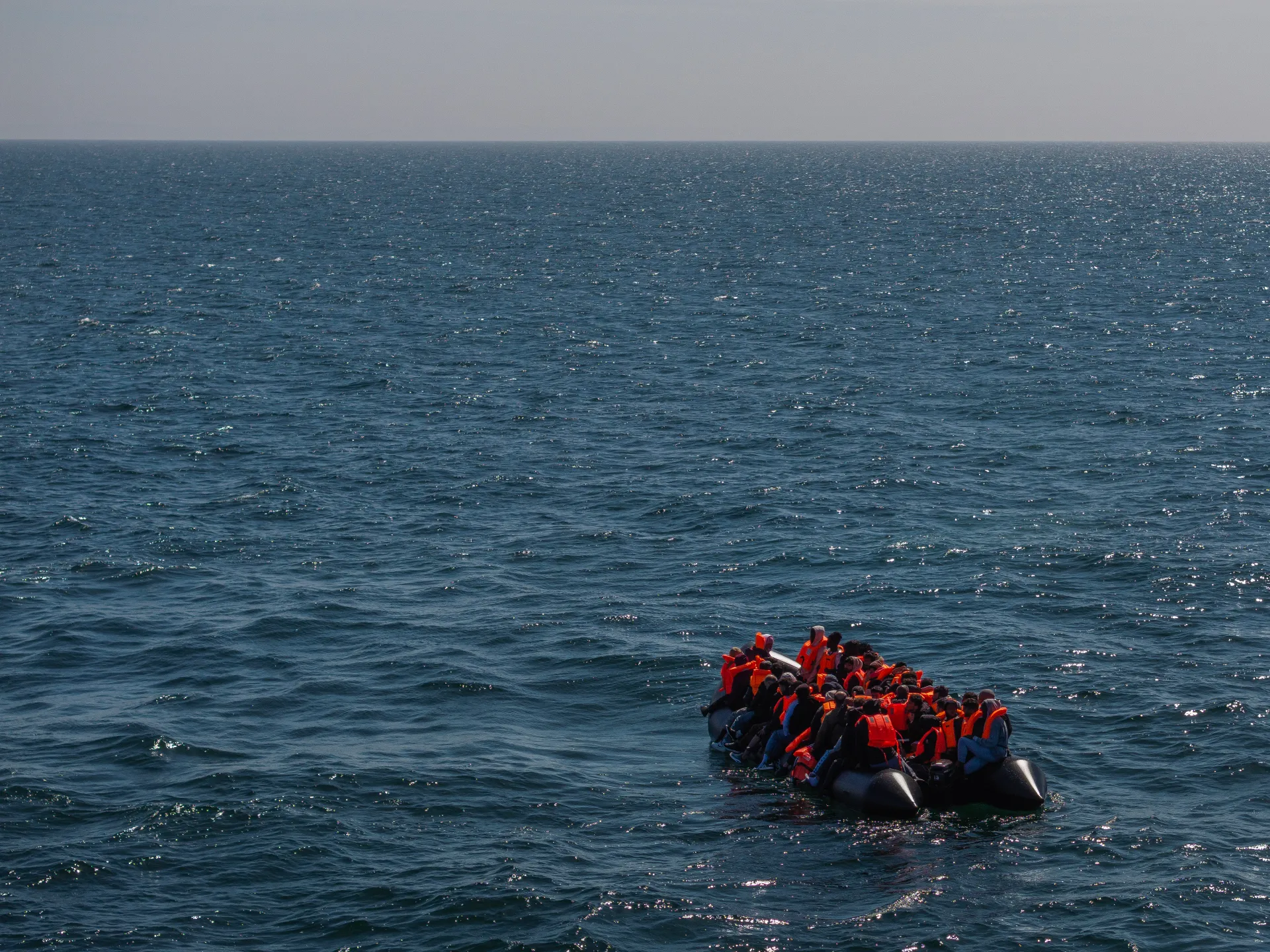
Governments gathered in New York for the second International Migration Review Forum to evaluate the implementation of the Global Compact for Safe, Orderly and Regular Migration. While the review indicates that arrival numbers to Europe have stabilised or declined on certain routes, the data reveals a stark divergence: migration journeys are becoming significantly more dangerous as people are pushed toward irregular pathways.
The International Organization for Migration's 2025 Global Overview of Migration Routes highlights that lower arrival figures do not automatically equate to safer conditions. On the Eastern Mediterranean Route, deaths and disappearances nearly doubled in 2025 compared to the previous year. Similarly, on the Western African Atlantic Route, despite a 62 per cent drop in arrivals, deaths barely declined, meaning the probability of dying at sea has increased.
The Central Mediterranean Route remains one of the world's deadliest corridors, with more than 1,300 people known to have died in 2025. These trends reflect a broader reality where tightening border controls and shifting routes force migrants to undertake longer, more fragmented, and hazardous journeys when regular options are constrained.
The review places particular emphasis on the severe displacement crisis in Sudan, which has become the world's largest such crisis three years after the conflict erupted in April 2023. While nearly 4 million people have returned home, almost 9 million remain displaced, driving more nationals to high-risk migration corridors in the Mediterranean as a last resort.
Underlying drivers in the Middle East and North Africa region continue to compound, including a young population with youth unemployment often exceeding 20 per cent, climate-related shocks such as droughts and heatwaves, and ongoing conflict. Additionally, movements from Asia and the Pacific to Europe increased significantly in 2025, with nearly one in three irregular arrivals originating from this region, often intersecting with North Africa.
Experts attending the forum call for expanded safe pathways, improved search and rescue capacities, better data sharing, and intensified international cooperation. The 130 states present aim to address these compounding effects by strengthening fair recruitment, investing in data systems, and dismantling criminal networks to ensure that fewer lives are lost and societies can thrive.