Rio’s Deadly Raid Exposes Systemic Failures in Brazil’s War on Drugs
Exclusive reporting highlights how the withdrawal of police forces after Brazil’s deadliest operation has undermined accountability and raised questions about the efficacy of current security strategies.
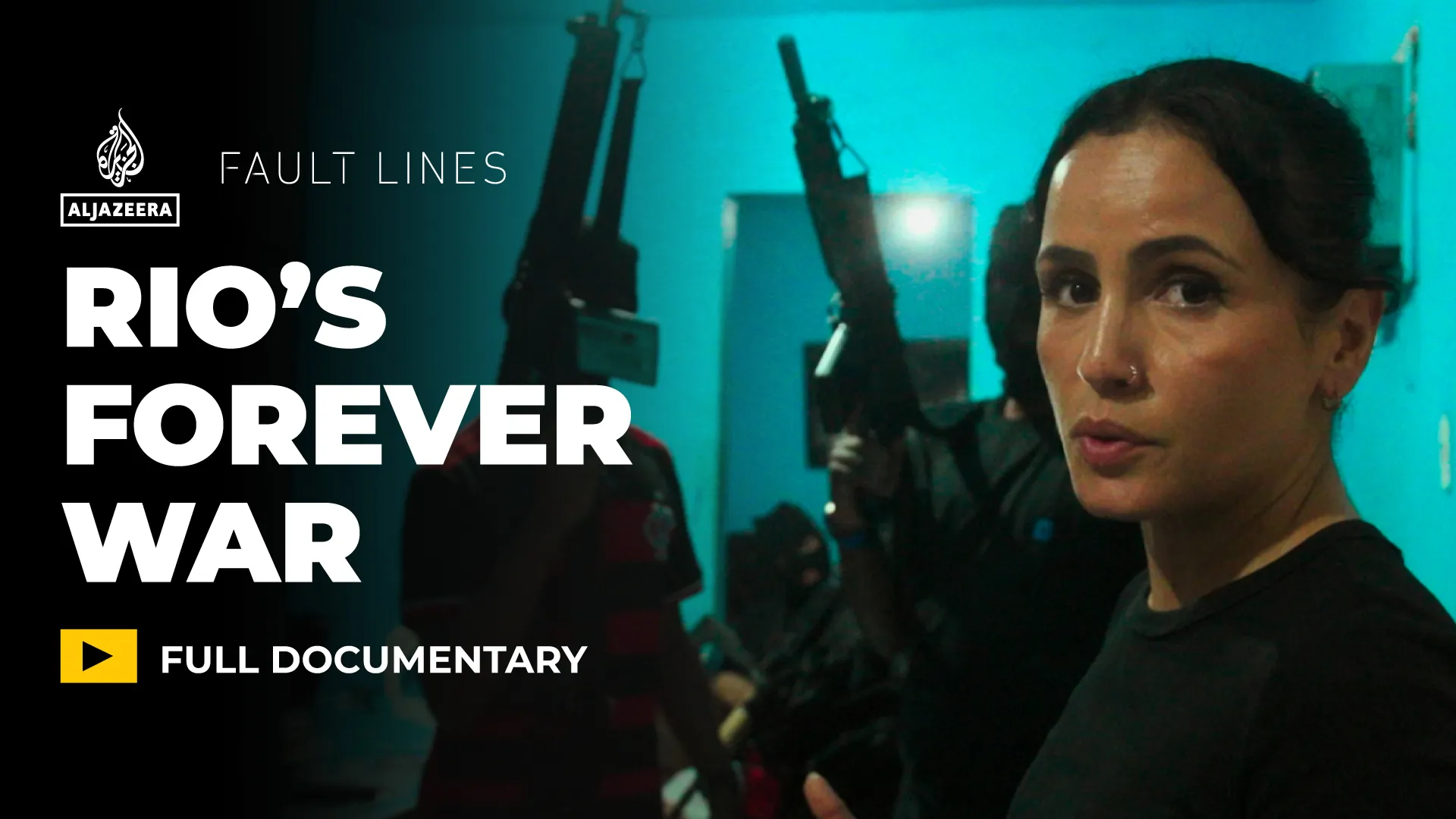
On 28 October 2025, a massive police operation involving more than 2,500 officers targeted two favelas in Rio de Janeiro, Brazil. The raid was designed to apprehend leaders of the Red Command, one of the country’s largest drug trafficking organisations. By the end of the day, the operation had resulted in the deaths of more than 120 people, marking it as the deadliest police action in Brazil’s history.
The aftermath of the raid has drawn sharp criticism regarding procedural conduct. Police withdrew from the scene without securing the area or deploying forensic teams. Consequently, residents were left to recover the bodies of the deceased, a process that erased critical evidence regarding the events of the night and compromised potential investigations into the use of force.
Exclusive reporting by Fault Lines has reconstructed the case of Douglas de Almeida da Silva, a father and small business owner who was killed during the operation. While police allege that da Silva fired the first shot, forensic analysis and witness footage have raised serious doubts about this official account. His death serves as a focal point for broader concerns about the handling of evidence and the lack of transparency in such high-casualty incidents.
This incident reflects a recurring pattern in Rio de Janeiro, where police routinely fail to preserve crime scenes. This systemic neglect undermines subsequent investigations and effectively shields officers from accountability. The failure to secure evidence not only hinders judicial processes but also perpetuates a culture of impunity within law enforcement agencies.
Despite the scale of the operation and the high death toll, the Red Command continues to maintain significant control over the favelas. This outcome has prompted scrutiny regarding the efficacy of current security strategies. Critics argue that these repeated deadly raids may not be curbing violence but are instead adding to the conflict without addressing the underlying governance issues.
The precise number of arrests made during the raid remains unspecified in available reports. Furthermore, the long-term impact of the operation on gang dynamics in the region remains a subject of ongoing observation. As official tallies are finalised, the focus remains on the structural failures that allowed such a significant loss of life and evidence degradation to occur.
The case of Douglas de Almeida da Silva and the broader context of the October raid highlight the urgent need for reform in how police operations are conducted and investigated in Brazil. Without changes to evidence preservation protocols and accountability mechanisms, the cycle of violence and impunity is likely to persist.