Rights groups allege Iran exploits Israel conflict to intensify executions
Human rights organisations report that Tehran is using the war with Israel, which began on 28 February 2026, to cover a surge in capital punishment and suppress dissent, with over 2,000 executions recorded in 2025 alone.
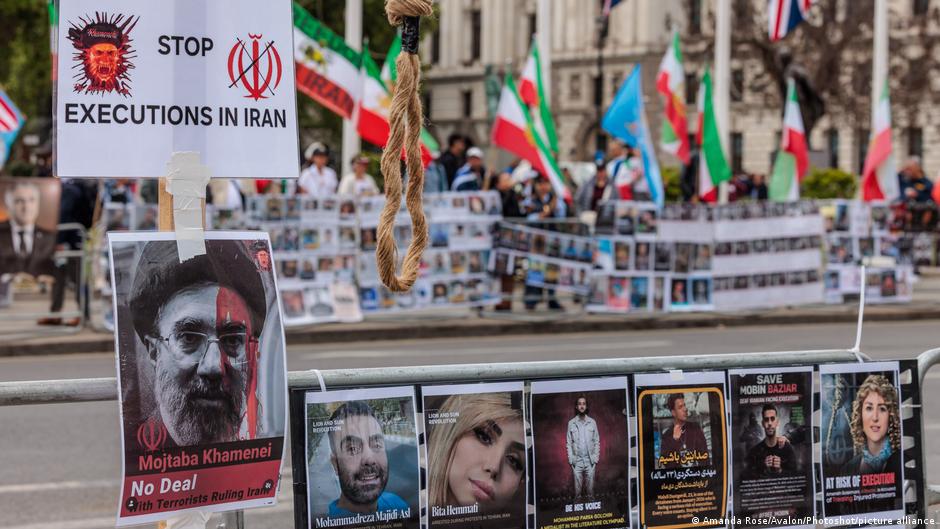
Human rights organisations allege that Iran is exploiting the ongoing conflict with Israel to intensify political repression and accelerate a surge in executions. According to Amnesty International, the Islamic Republic executed at least 2,159 people in 2025, a figure that accounted for 80 per cent of the global total for that year. This represents more than double the number of executions recorded in 2024, marking a significant escalation in state-sanctioned killings.
Since hostilities commenced on 28 February 2026, opposition groups have reported that at least 40 individuals have been executed in political and security-related cases. Additionally, 78 others remain on death row. Iran Human Rights, an Oslo-based organisation, documented that in the six weeks leading up to the end of April, Iran recorded an average of one political execution every two days. The crackdown has disproportionately targeted protesters, journalists, lawyers, dual nationals, and minors, with espionage frequently cited as the principal charge.
The human cost of this repression is illustrated by specific cases documented by rights groups. Gholamreza Khani Shakarab, a former martial arts champion, was hanged after being accused of working for Israel due to his travel for sports contests. Dual Swedish-Iranian national Kourosh Keyvani was arrested during the initial round of fighting in 2025 and executed in March this year. Zahra Shahbaz Tabari, a 68-year-old woman sentenced to death for armed rebellion, faced a first trial lasting only 10 minutes without independent legal representation before being convicted again in a retrial.
Amnesty International has warned that documented patterns of killings, torture, enforced disappearances, and mass arrests could amount to crimes against humanity if established as part of a state policy. The organisation has recorded practices amounting to torture, including mock executions, simulated hangings, severe beatings, and prolonged solitary confinement. Since the start of the war, more than 6,000 people have been arrested, including students, teachers, and members of ethnic and religious minorities.
Legal experts suggest that international governments must raise the costs of these violations to curb the trend. Raha Bahreini, an Amnesty International researcher, identified three legal avenues for accountability: referral to the International Criminal Court by the UN Security Council, prosecution under universal jurisdiction, and the creation of a dedicated international justice mechanism. Mahmood Amiry-Moghaddam, founder of Iran Human Rights, argued that placing human rights violations at the centre of any diplomatic engagement is essential to restraining Iran’s execution machine, warning that continued international silence may lead to near-daily executions in the coming months.