Rights group urges Thai police to act as 5,300 remain trapped in Myanmar scam centres
A human rights organisation reports that over 5,300 individuals, including an estimated 1,600 Chinese nationals, remain held in compounds controlled by the Myanmar Democratic Karen Buddhist Army militia.
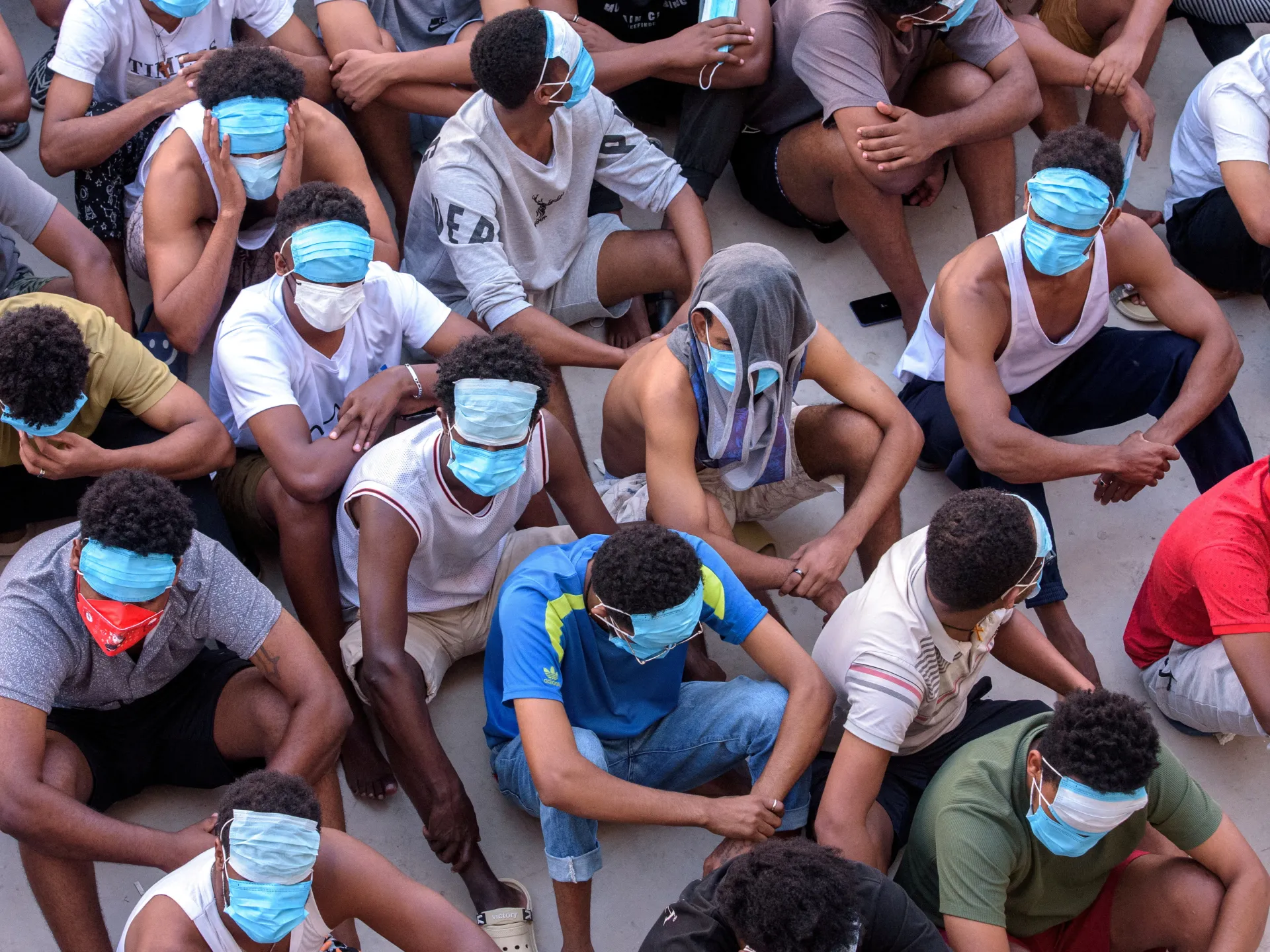
More than 5,300 people remain detained in online scam centres in Myanmar near the Thai border, despite a multinational crackdown conducted across the region last year, according to a new report from a human rights group. The Thai-based Civil Society Network for Human Trafficking Victim Assistance (CSNHTV) has formally urged Thai police to intervene, citing the continued entrapment of foreign nationals in facilities that have evaded dismantling.
The CSNHTV identified four specific locations within areas controlled by the Myanmar Democratic Karen Buddhist Army militia where victims are being held. The group stated that many of these compounds have yet to be subjected to rescue operations, allowing criminal syndicates to continue their operations. This lack of enforcement has enabled the continued engagement in online fraud and human trafficking, causing harm to victims globally, particularly in the United States and Europe.
According to the CSNHTV, the trapped population includes an estimated 1,600 Chinese nationals and approximately 200 people of Myanmar origin. The group also reported victims from the Philippines, Taiwan, Malaysia, Brazil, Russia, Kenya, Uganda, Rwanda, and Zimbabwe. The persistence of these facilities suggests that previous regional security measures have not been sufficient to dismantle the infrastructure supporting these illicit enterprises.
The scale of the operation has grown significantly since the COVID-19 pandemic, evolving from poorly run casinos and online gambling ventures into a multibillion-dollar industry, as noted by the United Nations. The facilities are largely staffed by foreign nationals who have been trafficked by criminal gangs. A UN report released in February detailed the severe conditions within these centres, describing a system of exploitation that has become entrenched in the region.
The UN report found instances of torture, ill-treatment, sexual abuse, forced abortions, food deprivation, and solitary confinement among the victims. UN Human Rights chief Volker Turk described the litany of abuse as staggering and heart-breaking. He noted that rather than receiving protection, care, and rehabilitation, victims too often face disbelief, stigmatisation, and further punishment, highlighting a systemic failure in justice and redress for those trapped in these centres.