Right-wing wave reshapes Latin American governance under US influence
New leaders across seven Latin American nations are aligning domestic policy with Washington’s “Donroe Doctrine,” prioritising security crackdowns and fiscal adjustments that critics say favour US strategic interests over local civil liberties.
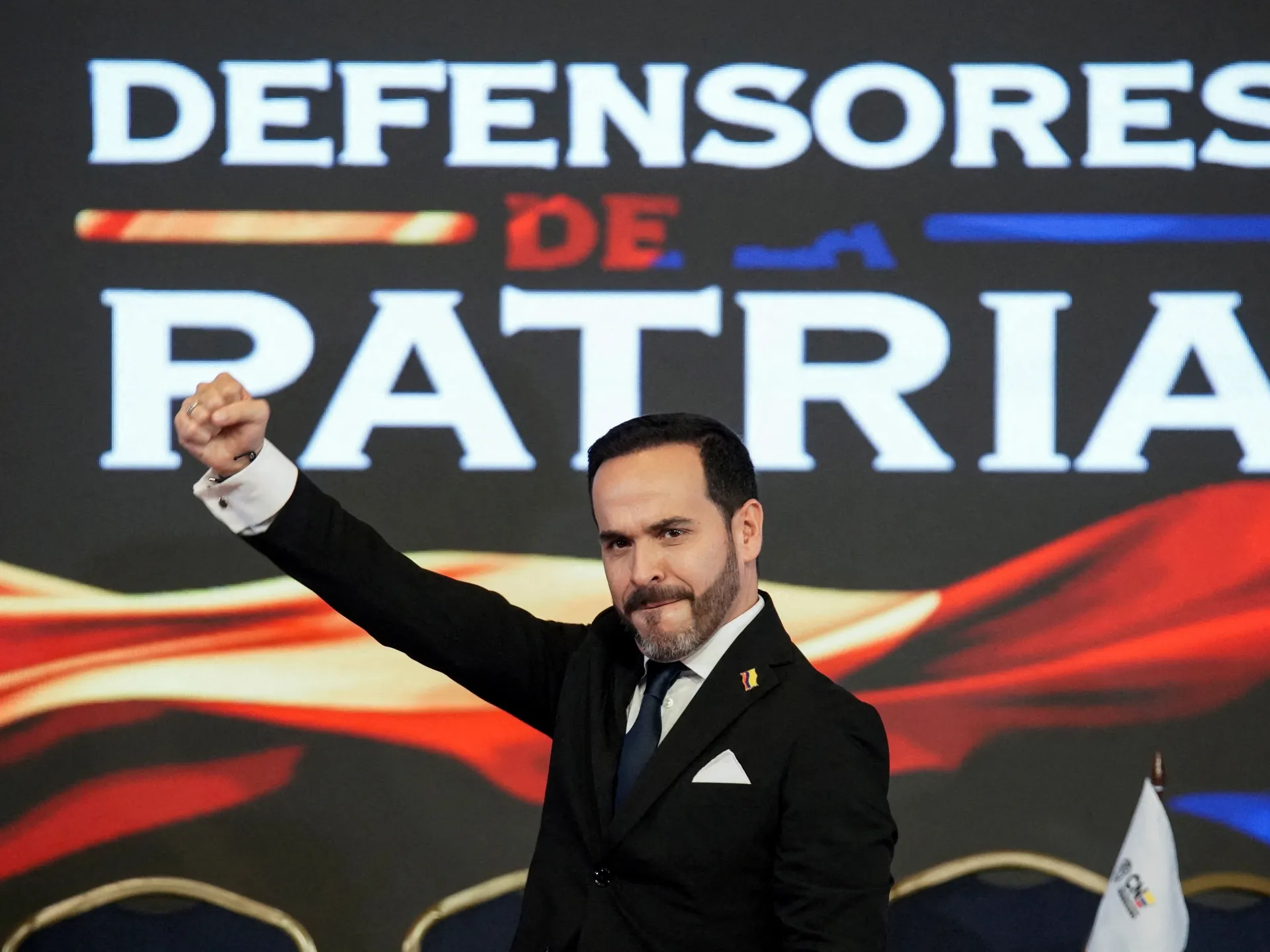
A significant shift in political leadership across Latin America over the past 18 months has seen right-wing figures assume power in Colombia, Argentina, Honduras, Chile, Ecuador, El Salvador, and Peru. This trend is widely attributed to the support of US President Donald Trump and the implementation of his foreign policy framework, dubbed the “Donroe Doctrine.” The new administrations have moved to implement policies that align with Washington’s interests, including intensified security measures, environmental projects, and reductions in welfare spending.
In Colombia, Abelardo de la Espriella was recently sworn in as president, ending four years of leftist rule under Gustavo Petro. The northern city of Medellin has been designated as the headquarters for the US-led “Shield of the Americas” security initiative. De la Espriella, a former criminal defence lawyer, has pledged to pursue environmentally destructive projects such as fracking, while positioning Colombia as a key partner in what he describes as a “shared destiny to defend Western civilisation across the Americas.”
Argentina’s Javier Milei has conditioned a $40 billion US bailout on the outcome of October midterm elections, which his party won. His administration has since eliminated various welfare provisions, a move that has sent millions of Argentine citizens into poverty and increased homelessness in Buenos Aires. In Honduras, Nasry Asfura assumed the presidency in January following US threats to cut aid if he lost the election. His subsequent crackdown on crime has, according to reports, spurred further violence in the small Central American nation.
Chilean President Jose Antonio Kast, who was endorsed by Trump in 2025, has personally inspected the start of a campaign to dig trenches along the country’s borders. Kast is a known admirer of former Chilean dictator Augusto Pinochet. Other leaders in the region, including Ecuador’s Daniel Noboa, El Salvador’s Nayib Bukele, and Peru’s Keiko Fujimori, have adopted iron-fist strategies on crime that critics argue fail to address root causes while often disregarding basic rights.
Critics have described this political shift as the “Trumpification of Latin America” or an “Orange Wave,” characterised by xenophobia, plutocracy, and a focus on “tough on crime” strategies. The US Congress Joint Economic Committee reported in August that Trump pocketed $2.2 billion in 2025, more than tripling his income, while American families lost $219 billion. This domestic financial context contrasts with the US president’s personal credit for electoral victories in the region, which he has framed as a resurgence of US power projection.
The historical collaboration between the US and right-wing Latin American regimes to combat leftist politics and “narco-terror” has often resulted in civilian casualties. Both Republican and Democratic US administrations have previously partnered with governments that prioritised corporate capitalism over local stability. As these new leaders implement policies to varying degrees, the long-term impact on regional stability and civil liberties remains a subject of intense scrutiny.