Retro console valuations defy age bias as scarcity and condition drive market prices
While a standard Nintendo Entertainment System commands modest figures, rare prototypes and special editions fetch six-figure sums, highlighting the nuanced reality of the secondary hardware market.
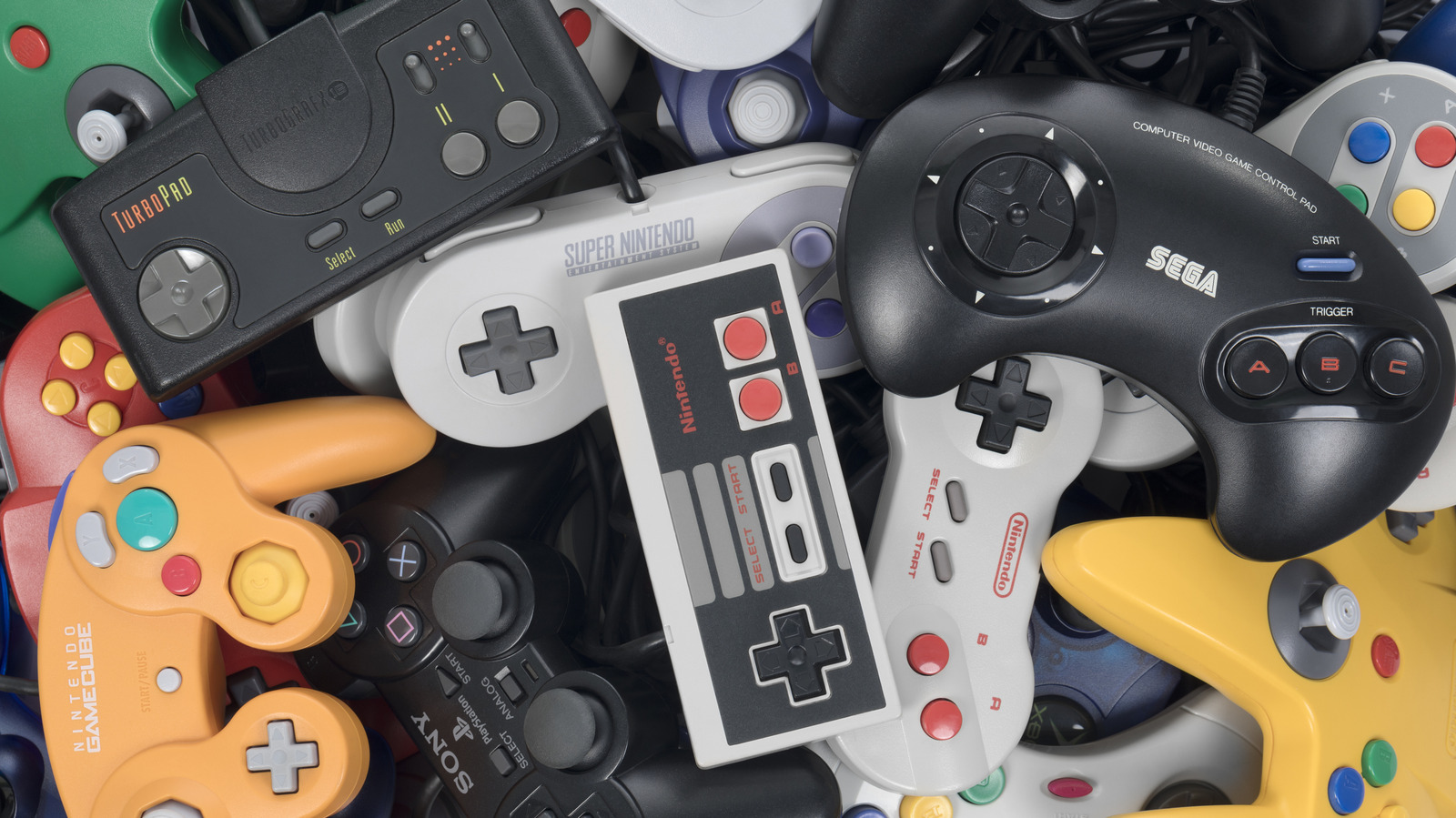
The assumption that older gaming hardware automatically appreciates in value is increasingly being challenged by current market data. According to a recent report by Engadget, which analysed valuation metrics from PriceCharting, the worth of retro game consoles is determined primarily by condition, scarcity, model number, and the presence of original accessories rather than age alone. This distinction is critical for collectors and investors navigating a market where functionality and packaging often outweigh mere vintage status.
PriceCharting’s estimates for standard units illustrate the modest baseline for common hardware. A standard Nintendo Entertainment System (NES) is currently valued at approximately $82 when sold loose, $295 when complete with accessories, and $1,209 if sealed in new condition. These figures are derived from completed sales data, providing a more realistic benchmark than the often inflated asking prices found on secondary marketplaces like eBay. For instance, a boxed NES Action Set featuring two controllers and a Zapper recently sold for $395, demonstrating how specific bundles can influence price but rarely reach the stratospheric levels seen with rarer items.
Scarcity plays a pivotal role in valuation, particularly when supply is constrained but demand remains steady. The North American Sega Saturn, for example, is estimated at $185 loose and $270 complete, significantly higher than the original PlayStation’s estimates of $56 and $99 respectively. This disparity is attributed to the lower production numbers of the Saturn. However, scarcity does not guarantee value for every discontinued system; market dynamics require active collector interest to sustain prices, meaning that not all obsolete hardware serves as a reliable store of value.
Specific model revisions and regional variants can drastically alter a console’s worth. A Japanese Hello Kitty Dreamcast is estimated at $232 loose and $644 complete, reflecting its status as a special edition. Similarly, early PlayStation 3 hardware, specifically the 60GB CECHA-01 model, commands an estimate of $374 loose and $650 complete. This premium is driven by the model’s hardware-based backward compatibility with PlayStation 2 games, a feature removed in later revisions, making the earlier units highly desirable to enthusiasts.
The most extreme valuations are reserved for development systems, pre-production machines, and prototypes that never reached retail shelves. These items operate in a niche market where surviving examples may number in the single digits. The most prominent example is the Nintendo PlayStation prototype, resulting from an abandoned collaboration between Nintendo and Sony. In 2020, this rare unit sold for a winning bid of $300,000, which rose to $360,000 when including the buyer’s premium. Such figures underscore that while most retro consoles have modest values, the intersection of extreme scarcity and historical significance can create exceptional market outliers.