Resolution Foundation urges £2bn energy subsidy as gas prices surge
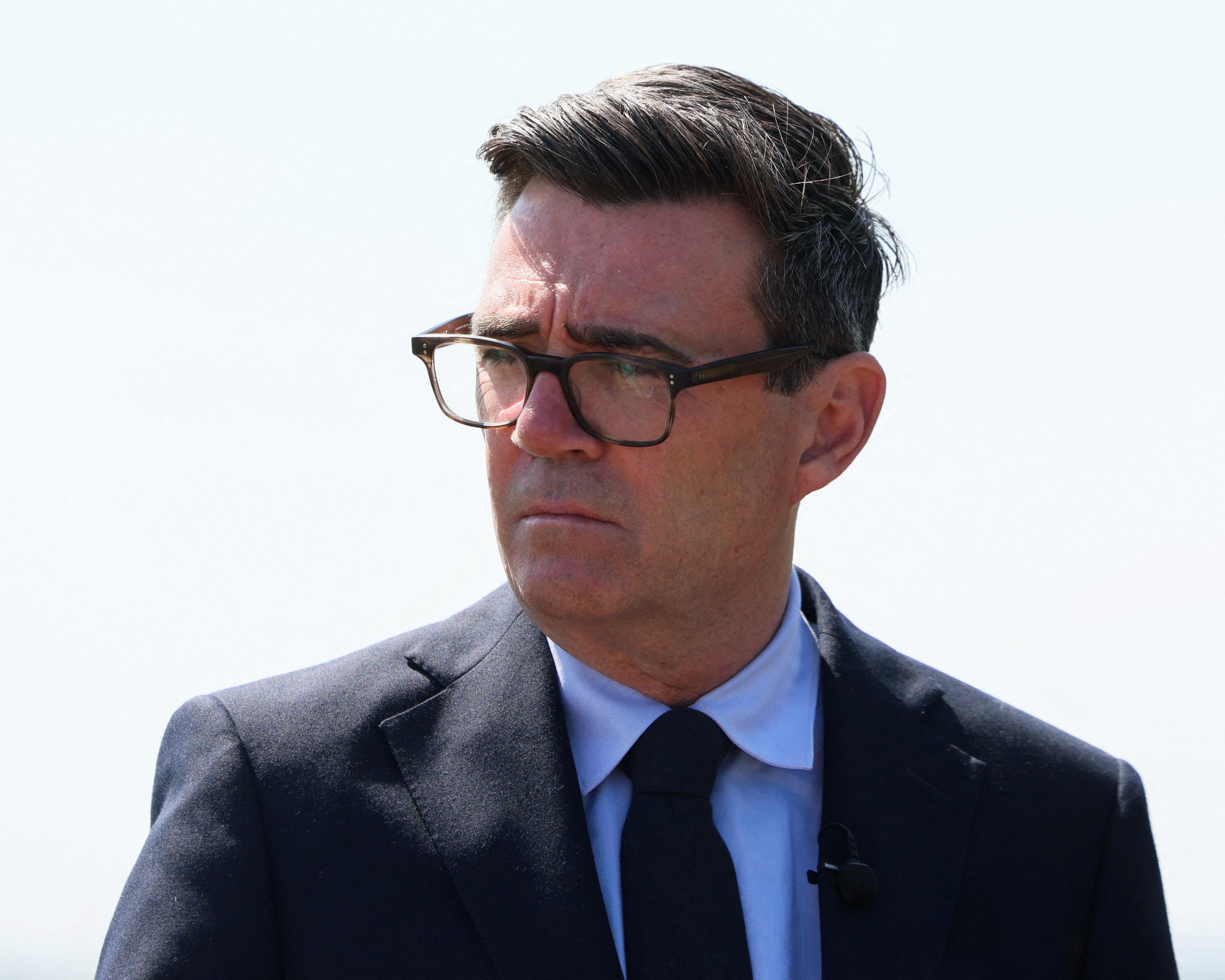
Prime Minister Andy Burnham faces mounting pressure to address cost-of-living concerns as wholesale energy costs rise amid Middle East hostilities.
The Resolution Foundation has called on the UK government to implement an emergency scheme reducing annual energy bills by up to £175 for low-income households. The thinktank estimates the proposal would cost £2bn and target families where the highest earner makes £24,000 or less annually, aiming to assist approximately 40 per cent of households.
The recommendation comes as Prime Minister Andy Burnham undertakes a national tour to address cost-of-living concerns. Burnham previously announced the temporary removal of VAT on electricity bills, a measure expected to save households roughly £45 a year. However, the Resolution Foundation argues that rising wholesale gas prices, driven by resumed hostilities in the Middle East, necessitate further intervention to prevent winter costs from escalating.
Jonathan Marshall, principal economist at the Resolution Foundation, stated that ministers should have a plan ready to be activated in January next year, coinciding with the quarterly energy cap adjustment. Marshall suggested the government could offer a flat £175 discount or provide additional support to the lowest-income households, noting that such a scheme would be more generous but potentially harder to implement than existing means-tested benefit targets.
Data from a Carnegie UK survey highlights the severity of the financial strain on households. The survey found that 28 per cent of UK households cannot afford an emergency £850 payment, 6 per cent cannot afford enough food, and 12 per cent cannot afford to socialise at least once a month. The Resolution Foundation also noted that households in the poorest areas reduced their energy consumption by 15 per cent more than wealthier postcodes during the 2022 energy crisis, with only one-sixth of that reduction reversed.
Chancellor John Healey has prioritised energy affordability ahead of his first budget on 25 October. Healey is expected to detail funding for Burnham’s policies, including the VAT cut, while also addressing how tax revenues will be distributed to regional mayors. Meanwhile, Burnham has indicated an intention to exploit fiscal rule flexibilities to allow additional borrowing for infrastructure projects, despite the government’s commitment to increasing defence spending.