Reported killing of Palestinian farmer’s donkey highlights settler conduct
A donkey belonging to a Palestinian farmer was reportedly stolen and dragged to death by Israeli settlers, some of whom are subject to European Union sanctions.
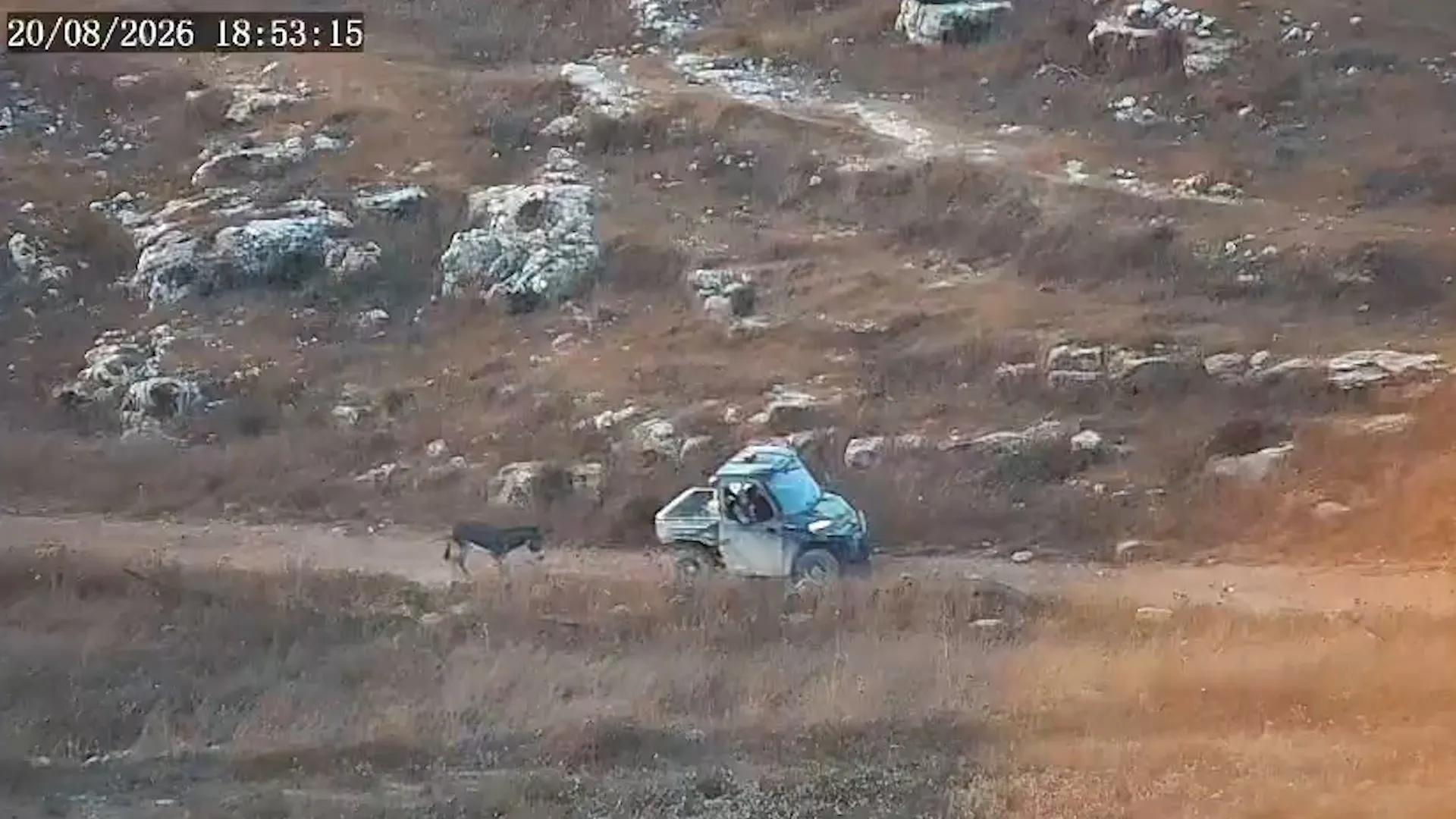
A donkey belonging to a Palestinian farmer was reportedly stolen and subsequently dragged to death by Israeli settlers, according to reports published on 22 August 2026. The incident has drawn attention to the conduct of settlers in the region, with the animal’s death serving as a focal point for local grievances.
The details of the incident remain subject to verification, as the available reporting describes the events using the term “reportedly.” This qualifier suggests that independent confirmation of the specific circumstances surrounding the theft and the method of the animal’s death is still pending.
The perpetrators are identified as Israeli settlers, though the exact number of individuals involved remains unclear. While some initial headlines referenced a singular settler, broader summaries indicate a group of settlers was responsible for the incident.
A key institutional dimension of the story is the connection to European Union sanctions. Reports indicate that some of the settlers involved in the incident have been sanctioned by the EU, a body that has increasingly used diplomatic and economic tools to address conduct in the territory.
However, the source material does not explicitly name the specific individuals responsible for this particular incident or confirm whether they are among those currently under EU sanction. This ambiguity highlights the challenge of linking specific local incidents to broader international policy frameworks.
The incident is situated within the broader context of the Israeli-Palestinian conflict, where disputes over land use and property rights frequently lead to friction between communities. The death of the donkey, while a single event, reflects the ongoing tensions that characterise the region.
Al Jazeera Global News provided the primary reporting on the incident, which was published on 22 August 2026. The story underscores the continued scrutiny of settler activities and the role of international bodies in monitoring compliance with sanctions and human rights standards.