Repatriation of mountain bongos from Czech Republic strengthens Kenya's conservation framework
Officials say the move, the third of its kind in recent years, underscores a long-standing bilateral commitment to biodiversity management and genetic diversity.
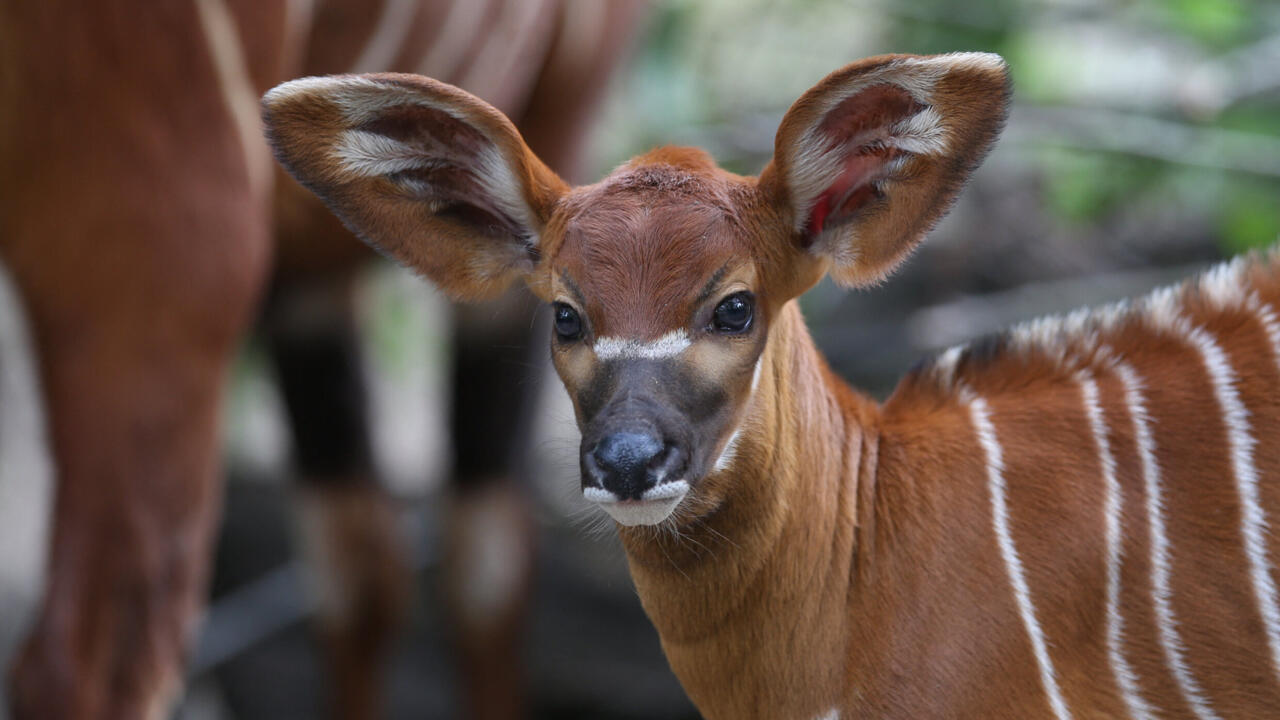
Four mountain bongos have been repatriated to Kenya from Dvur Kralove Zoo in the Czech Republic, marking a significant step in the government's strategy to secure the survival of a critically endangered species. With fewer than 100 individuals remaining in the wild, the arrival of these four animals is designed to interbreed with the existing population and strengthen the species' gene pool. The returnees were transported via KLM cargo flight to Kenya's main airport, where they were received by Cabinet Secretary Musalia Mudavadi and Tourism Minister Rebecca Miano.
Following a mandatory period of quarantine and acclimatisation, the animals will be transferred to the Mount Kenya Wildlife Conservancy. The facility currently houses 102 bongos and operates a National Recovery and Action Plan in collaboration with the government. Officials state that the new arrivals will be utilised to enhance genetic variation, a critical factor for the long-term resilience of the breeding population before any eventual release into the wild.
The repatriation effort reflects a broader institutional history dating back to the 1980s, when many bongos were originally sent to European zoos following a devastating rinderpest outbreak that killed thousands in Kenya. Conservationists note that the species plays a key role in protecting forests vital to the country's water supply, making the preservation of their genetic lineage a matter of national environmental security. This specific return marks the third such repatriation in recent years, following a similar event in February 2025.
Czech Ambassador Nicol Adamcova described the relocation as a reflection of a long-standing partnership between the two nations in conservation. She highlighted a shared commitment to protecting endangered species, noting that the move demonstrates effective policy and collaboration. In response, Cabinet Secretary Mudavadi emphasised that such milestones illustrate what can be achieved when policy, science, and international cooperation converge to support a shared conservation goal.
Tourism Minister Miano added that introducing genetically diverse bongos is a critical intervention to strengthen the species' breeding resilience. The government has assured continued support in strengthening conservation frameworks to ensure Kenya's biodiversity continues to thrive. Meanwhile, nature explorers and filmmakers Jahawi and Elke Bertolli have noted that the genetic variation brought by these new bongos is essential for the species' conservation status.
While the exact timeline for the release of the four bongos into the wild remains unspecified, the immediate focus remains on their acclimatisation at the conservancy. The success of this initiative will depend on the integration of the new animals with the existing population and their ability to adapt to the wild environment. This operation underscores the ongoing institutional efforts to manage wildlife resources and mitigate the risks associated with critically low population numbers.