Renewed Israeli air strikes in southern Lebanon kill a woman and injure children, undermining US-brokered truce
Al Jazeera reports on the escalation of violence, the displacement of over one million people, and deep divisions within Lebanese political leadership regarding negotiations
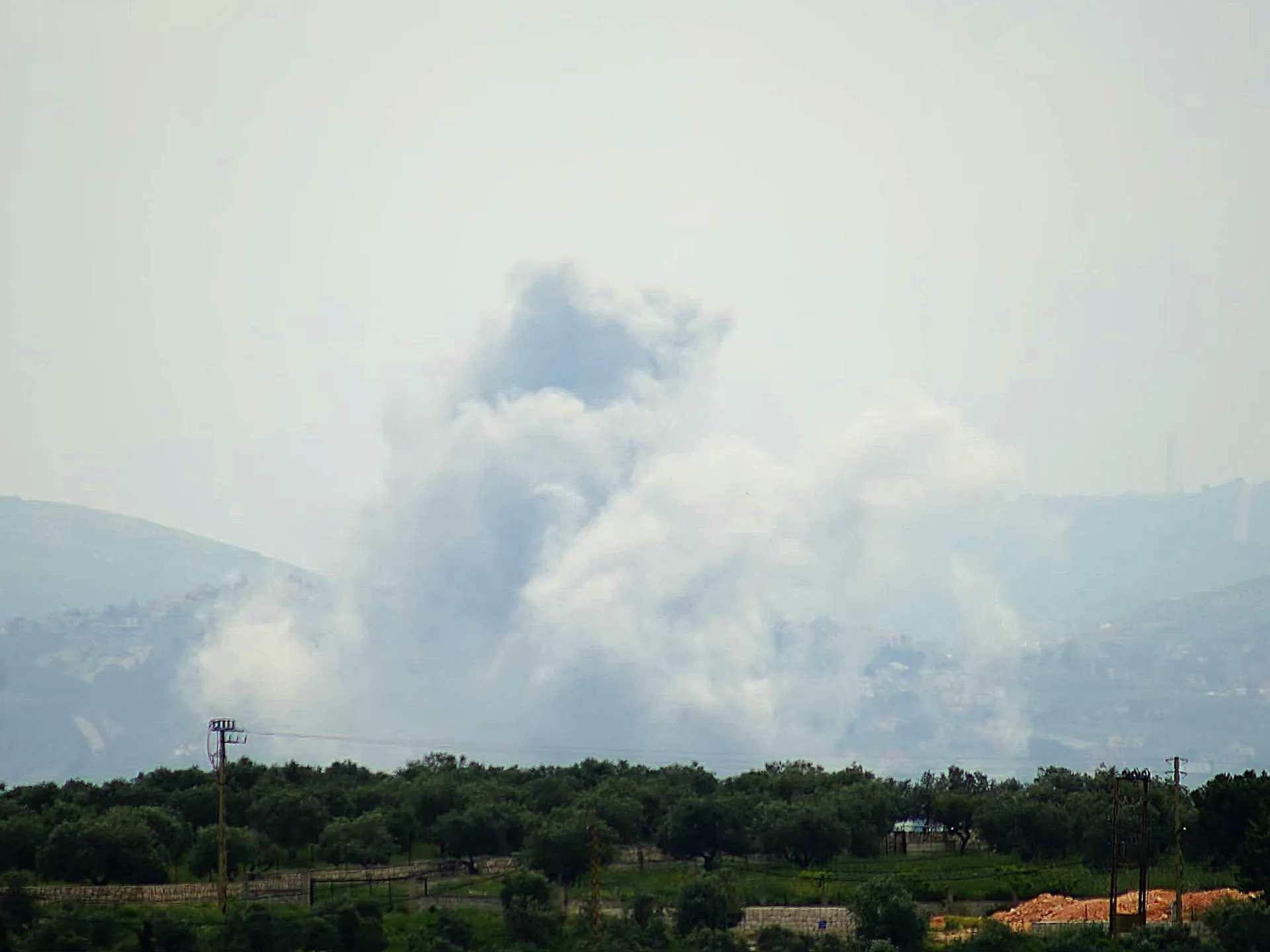
Renewed Israeli air strikes in southern Lebanon on 1 May 2026 resulted in the death of a woman and injuries to several children, marking a significant escalation just days after a US-brokered ceasefire was established. According to reports from Al Jazeera, the conflict has continued unabated, with civilians remaining the primary victims of the violence despite the diplomatic framework intended to halt hostilities.
The Israeli army stated that its forces struck 40 Hezbollah sites within the past 24 hours across the southern region. In response, Hezbollah launched retaliatory attacks against Israeli forces operating within Lebanese territory. This exchange of fire has occurred while the broader conflict has already displaced more than one million people, with tens of thousands of residents in villages along the southern border directly affected by the ongoing bombardment.
Al Jazeera reporter Zeina Khodr highlighted that the military operations appear to be part of a broader strategy described as a "campaign of erasure," mirroring tactics previously employed in Gaza. Activists and observers allege that Israeli troops are systematically destroying civilian homes, infrastructure, and water networks with the explicit aim of making southern Lebanon unliveable. Human rights activists have subsequently characterised this destruction as a war crime, citing the deliberate targeting of essential services and residential areas.
The scale of the destruction has been documented through satellite imagery shared by the Israeli army, which depicts entire neighbourhoods levelled in the south. Residents report profound personal loss alongside the physical devastation; Mounir Kabalan, a resident of Mais al Jabal, expressed deep sorrow over damaged property and the uprooting of olive trees he had planted with his family in 2007. The Israeli military currently occupies a zone comprising roughly 10 per cent of Lebanon's territory, maintaining a so-called "Yellow Line" no-go zone where approaching residents risk being targeted.
Political leadership in Lebanon remains fractured as the crisis deepens. Reports indicate that President Joseph Aoun and Speaker Nabih Berri are divided on how to approach negotiations to end the war. This internal discord comes as the US embassy in Beirut stated on Thursday that Lebanon is at a crossroads, suggesting that its people have a unique opportunity to reclaim their country through peace talks with Israel.
The situation remains volatile, with the Israeli military having issued immediate evacuation orders to residents of eight towns outside its defined buffer zone prior to recent strikes. This follows similar forced evacuation orders issued to 20 other villages previously, further exacerbating the humanitarian crisis that has left over a million individuals displaced since the conflict began.