Religious divides, not climate, drive Nigeria’s farmer-herder violence: study
New data indicates that drought only exacerbates violence in regions with mixed religious demographics, while shared faith acts as a deterrent. Experts warn of fragmented security responses and unverified threat levels.
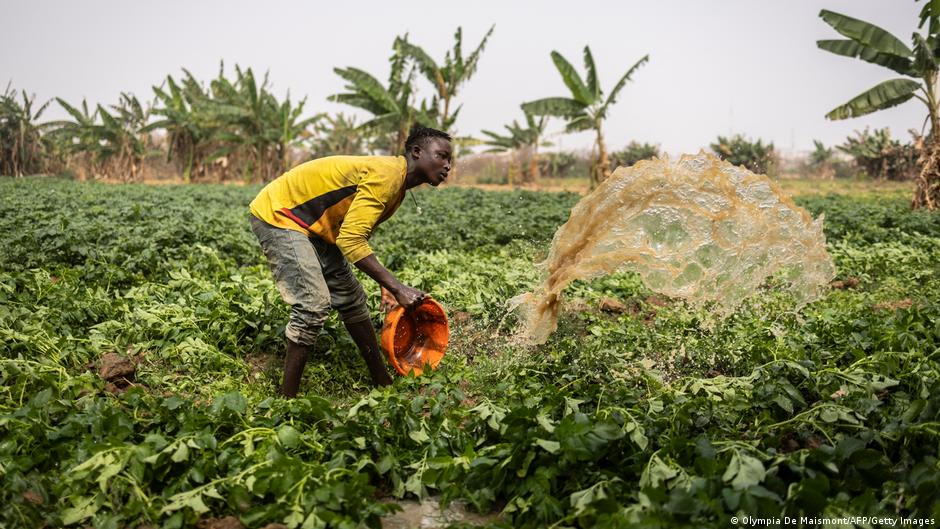
A comprehensive study by the WZB Berlin Social Science Centre has upended the prevailing assumption that climate change is the primary catalyst for Nigeria’s farmer-herder conflicts. Led by Professor Ruud Koopmans, the research analysed over two decades of data to demonstrate that religious divisions, rather than environmental stress alone, are the decisive factor in violent clashes between Muslim Fulani herders and predominantly Christian farming communities.
The findings reveal that drought intensifies conflict primarily in regions with mixed religious demographics, such as Nigeria’s Middle Belt. In contrast, shared religious identity appears to limit escalation. The study notes that when both pastoralists and farmers are Muslim, they are more likely to adhere to common religious norms concerning property and violence, creating a "spiritual disbenefit" associated with harming co-religionists.
Conversely, in areas where Muslim herders interact with Christian farming communities, the data shows the highest concentration of violent confrontations. A survey conducted in Kaduna State highlighted this divergence in perception: Christian respondents were more inclined to attribute land disputes to religious causes and expressed greater distrust of Muslim Fulanis, whereas Muslim respondents were more likely to cite drought and resource competition as the root drivers.
The escalation of these tensions has been linked to broader socio-political shifts since the late 1990s, including the introduction of Sharia law in northern Nigeria and the rise of Boko Haram. The United States Commission on International Religious Freedom (USCIRF) has identified armed Fulani groups as prominent non-state actors, estimating that approximately 30,000 militants operate across the country. USCIRF reports that violence linked to these groups has caused more deaths among religious communities in the past year than attacks by insurgent groups or criminal gangs.
The human cost of this instability is significant, with at least 1.3 million people displaced into overcrowded camps in the Middle Belt. Kidnapping for ransom has emerged as a major tactic, with religious institutions frequently targeted. Legal expert Gloria Mabeiam Ballason warned that the scale of the threat is difficult to verify due to a lack of transparent data from Nigerian authorities, a gap that risks undermining public confidence.
Security experts argue that current responses are insufficiently coordinated. Retired Assistant Inspector General of Police Wilson Inalegwu noted that attacks often spread across state borders because authorities fail to anticipate patterns, citing a lack of collaboration between regions such as Kwara, Niger, and Oyo. He emphasised the need for robust, cross-regional patrols and better planning to prevent the spillover of violence.
In response to these findings, researchers and experts are calling for a shift in policy focus. Recommendations include improved land and water management, the implementation of early warning systems, and community-based conflict mediation strategies specifically tailored for religiously mixed regions. These measures aim to prevent environmental pressures from translating into deadly conflict, addressing the underlying social fractures that climate stress alone cannot explain.