Regional security tensions escalate as Israel reports 31 casualties in Lebanon and US awaits Tehran on peace deal
Official figures confirm fatalities in southern Lebanon while Washington monitors diplomatic progress and regional stability in the Hormuz Strait.
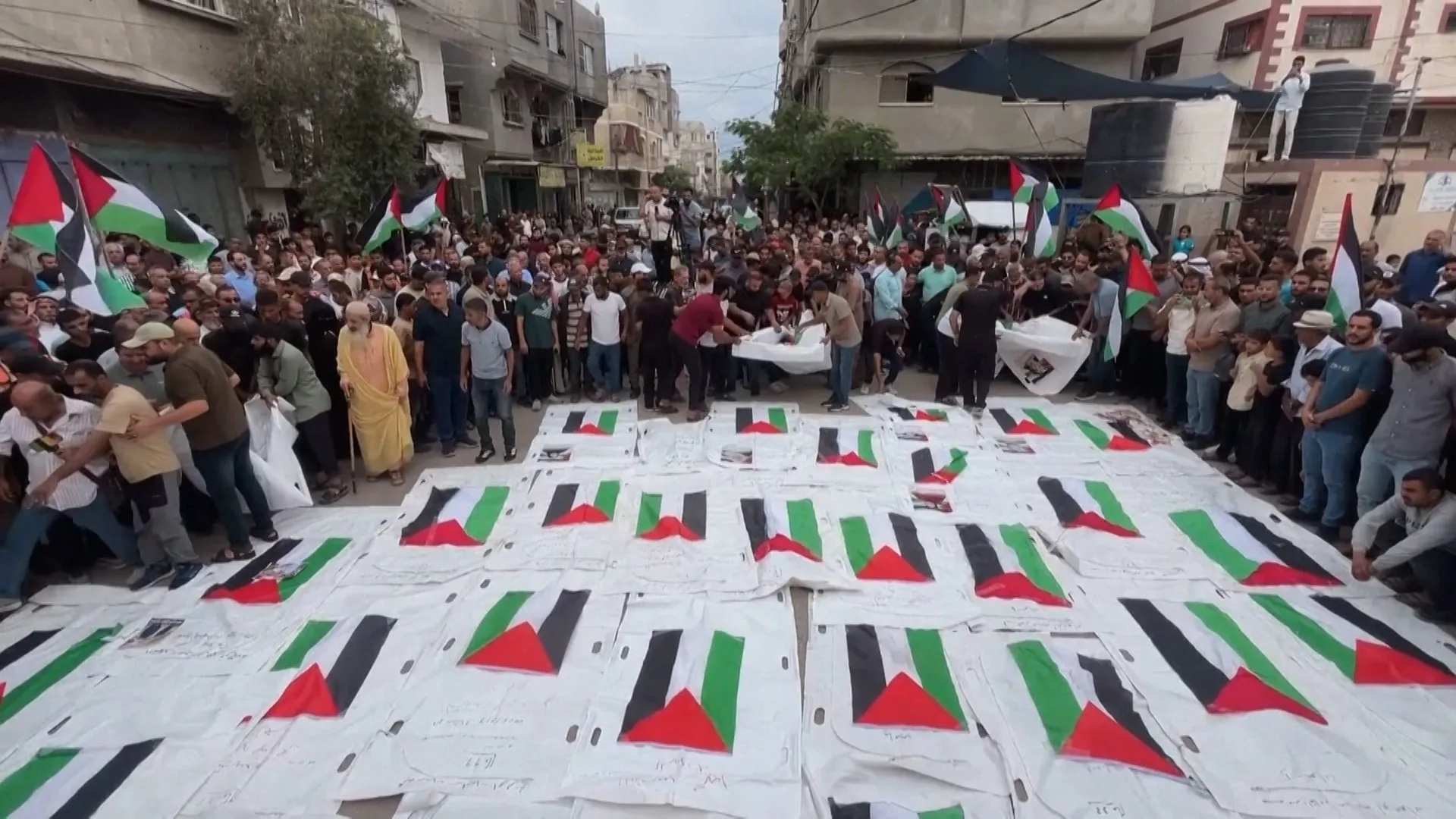
Israel has confirmed the death of 31 individuals in southern Lebanon following an operation carried out on Friday. Lebanon's National News Agency provided the official confirmation of these casualties, noting that the toll included a rescue worker among the deceased. This development underscores the continued volatility in the region's southern front, where security dynamics remain precarious.
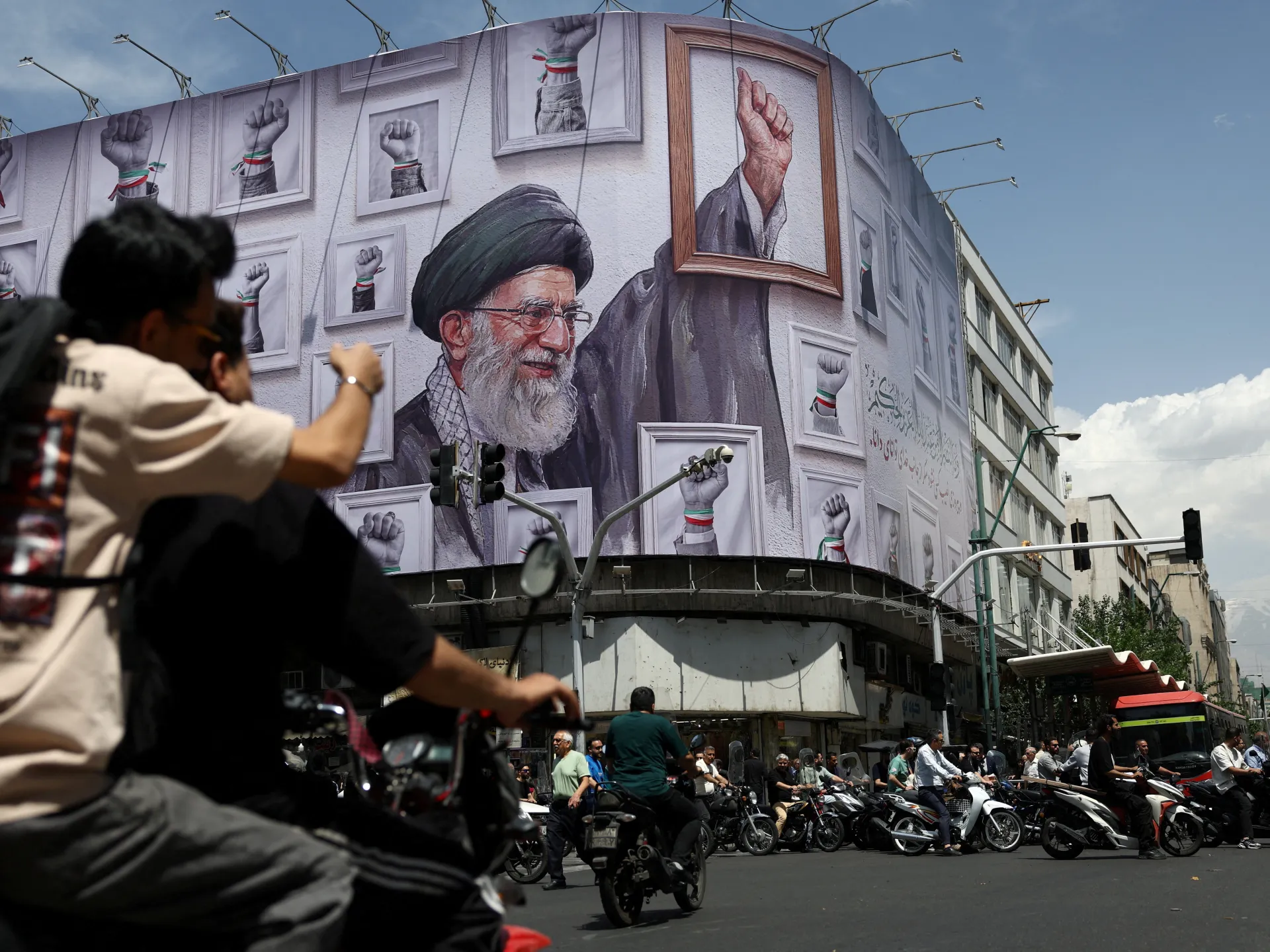
Concurrently, diplomatic efforts are facing a critical juncture as the United States awaits a formal response from Tehran regarding a proposed peace deal. The timing of this anticipated reply coincides with heightened military activity elsewhere, creating a complex backdrop for international negotiations. The US position suggests that diplomatic channels are actively engaged, yet the outcome remains dependent on Tehran's decision-making processes.
Tensions have further complicated the regional picture with the emergence of sporadic clashes in the Hormuz Strait. While the intensity of these engagements is described as sporadic rather than sustained, their location in one of the world's most vital maritime chokepoints raises significant concerns for global security architecture. The presence of armed conflict in this strategic corridor adds a layer of urgency to the broader geopolitical standoff involving Israel, Iran, and the United States.
The convergence of these events highlights a governance environment where military operations and diplomatic initiatives operate in parallel but often contradictory trajectories. As Lebanon's National News Agency details the human cost of recent operations in the south, the broader institutional framework struggles to reconcile immediate security threats with long-term peace objectives. The lack of specific details regarding the content of the proposed deal further obscures the potential pathways for de-escalation.
Institutional analysis suggests that the current trajectory relies heavily on the interplay between kinetic military actions and diplomatic signalling. The confirmation of casualties in Lebanon serves as a stark reminder of the physical realities on the ground, while the waiting game in Washington reflects the procedural nature of high-stakes international relations. Until Tehran provides a definitive reply, the status of the proposed agreement remains in a state of suspension.
The situation in the Hormuz Strait remains fluid, with sporadic clashes indicating that the maritime domain is not immune to the wider regional instability. This persistent friction challenges the capacity of international institutions to maintain stability in a region where security interdependencies are profound. As the week progresses, the focus remains on how these disparate elements of conflict and diplomacy will interact to shape the immediate future of Middle Eastern security.