Regional instability in the Gulf threatens the economic stability of Pakistani transnational households
With Saudi Arabia and the UAE accounting for over half of Pakistan's record $38.3 billion inflows in FY2025, delays in wages and anecdotal reports of repatriation pose a systemic risk to the national economy
A significant contraction in remittance flows originating from Gulf nations is creating acute financial distress for millions of Pakistani households. This downturn, precipitated by regional conflict and shifting labour market dynamics, is disrupting the income streams that sustain basic needs such as food, education, and healthcare for families across the country.
The State Bank of Pakistan notes that Saudi Arabia and the United Arab Emirates contributed more than half of the nation's record $38.3 billion in remittances during fiscal year 2025. However, the current geopolitical climate, specifically the ongoing war in Iran and associated tensions, is causing salary delays and reduced income for migrant workers. These fluctuations are reverberating through the domestic economy, where remittances serve as a critical pillar for foreign exchange reserves and currency stability.
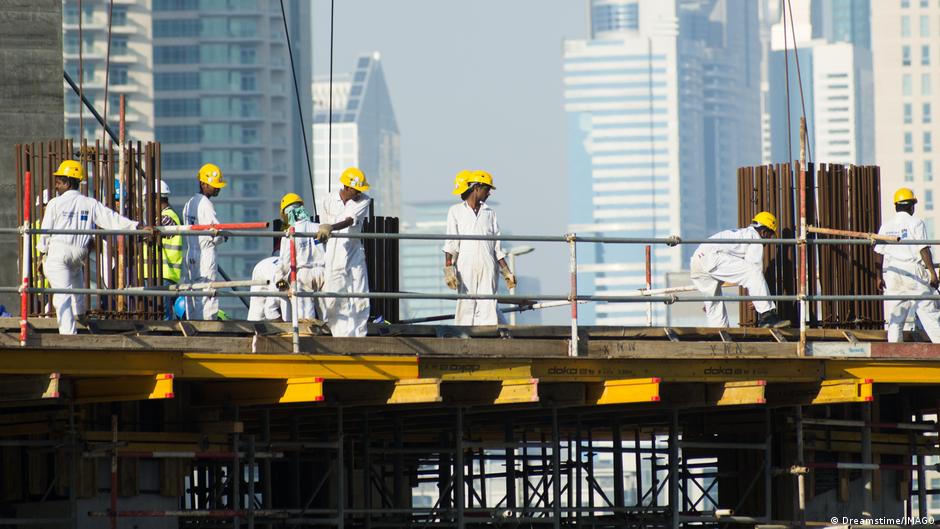
Anecdotal evidence from Rawalpindi highlights the immediate human cost of these macroeconomic shifts. Samina Bibi, a mother of three, reports that her husband's salary from a Riyadh-based construction company has been delayed again. The employer cited regional conflict as the primary cause, leaving the family to question their reliance on a monthly income of 80,000 rupees. Such instances are not isolated; they reflect a broader trend where the Middle East crisis directly impacts the livelihoods of migrant workers and their dependents back home.
While there are rising reports of workers being sent back from the Gulf, no official statistics or data currently quantify the scale of this repatriation. Despite this lack of concrete figures, economic analysts warn that the UAE alone accounts for 20 per cent of all Pakistan remittances. Consequently, a sudden slowdown from this single source would exert significant pressure on the country's reserves and the families of the workforce, creating a vulnerability that extends beyond individual households.
The structural nature of these families, often described by sociologists as "transnational households," means they remain bound by financial necessity despite being split across borders. Many Pakistani workers in the Gulf hold low- or semi-skilled positions, rendering them particularly susceptible to layoffs during economic downturns. This exposure has led to a surge in inquiries for alternative work visas, with many young people now looking towards destinations such as Malaysia and Belarus due to the uncertainty surrounding Gulf contracts.
Experts suggest that Pakistan must urgently diversify its migration destinations and strengthen domestic industries, including agriculture and manufacturing, to reduce this heavy reliance on external remittance flows. However, for families currently dependent on these funds, policy debates regarding industrial growth feel distant. As one mother noted, their immediate survival depends entirely on the stability of jobs abroad, leaving them with little buffer against potential economic shocks.