Reform UK directs councillors to frame police probe as political conspiracy amid polling slump
As YouGov data reveals Nigel Farage’s net favourability has dropped to -46, the party seeks to counter rising Labour support and scrutiny over £500,000 in funds from Fiona Cottrell.
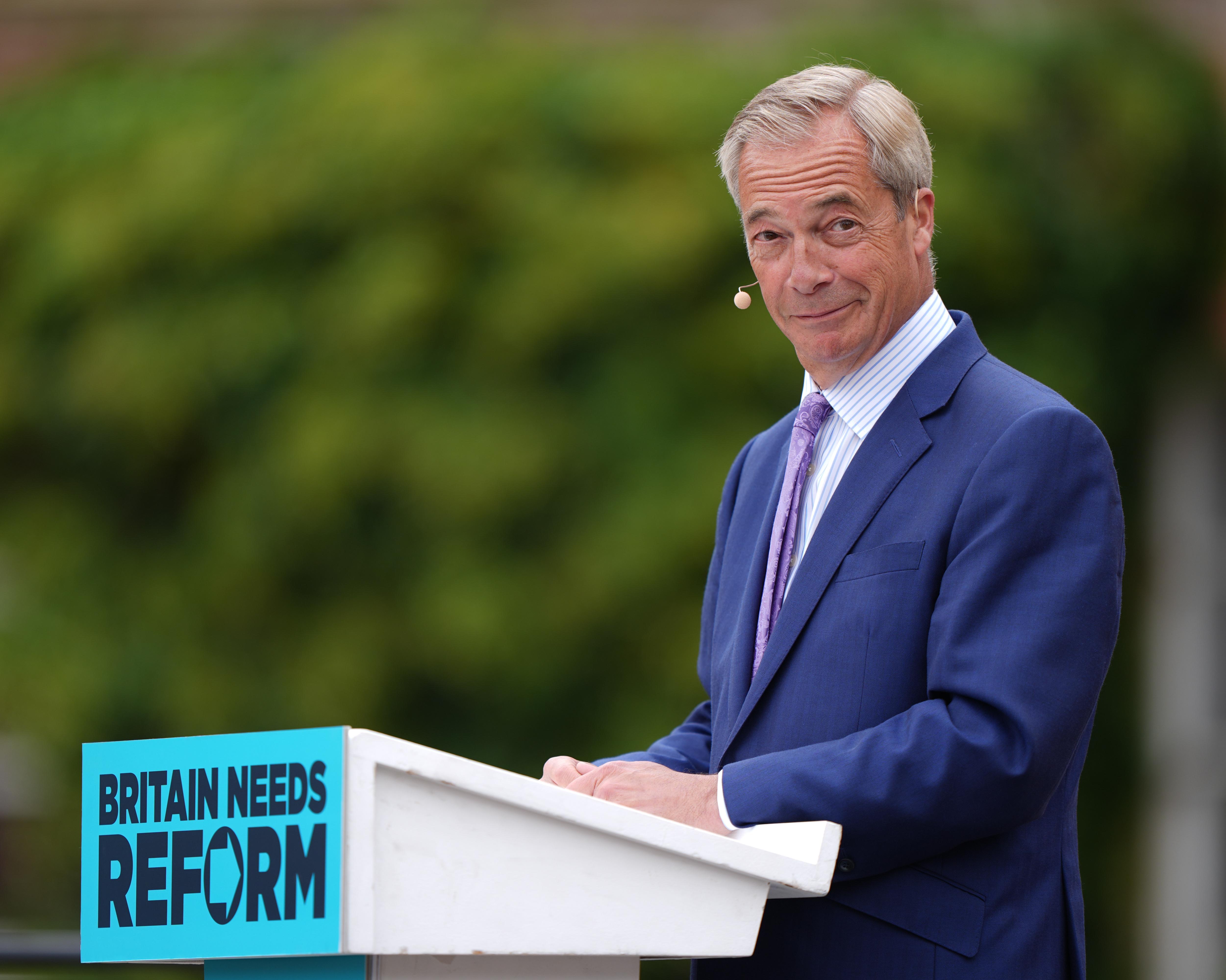
Reform UK has issued internal directives to its councillors to characterise a Metropolitan Police investigation into party donations as a coordinated political conspiracy. Internal briefing notes circulated to local government representatives instruct members to dismiss the probe as an “establishment stitch-up” and part of a “daily routine of hit jobs and smears” designed to prevent the party from winning the next general election.
The directive coincides with new YouGov polling indicating a significant decline in the popularity of Reform UK leader Nigel Farage. The pollster’s latest data shows Farage’s net favourability rating has fallen to -46, with only 22% of respondents holding a positive view and 68% viewing him negatively. This figure represents the joint lowest level recorded by the pollster in a decade, comparable to ratings seen during the height of the “partygate” scandal for Boris Johnson and just prior to Keir Starmer’s resignation.
The police investigation centres on £500,000 in donations made by Fiona Cottrell, the mother of convicted fraudster George Cottrell, who is a close associate of Farage. The party has faced additional scrutiny regarding a £5m gift received by Farage from crypto billionaire Christopher Harborne, which is subject to a standards inquiry. Furthermore, the Conservatives have requested that HMRC investigate whether Farage should have paid tax on that gift, while another inquiry examines allegations that he breached parliamentary rules through financial support from Cottrell.
While Reform UK attempts to frame the legal scrutiny as political persecution, the party’s electoral position appears to be weakening. YouGov’s latest voting intention poll for the Times and Sky News places Reform UK at 23%, with the Labour Party closing the gap at 21% and the Conservatives on 20%. This marks a significant contraction from the 11-point lead Reform held over other parties following the local elections in May.
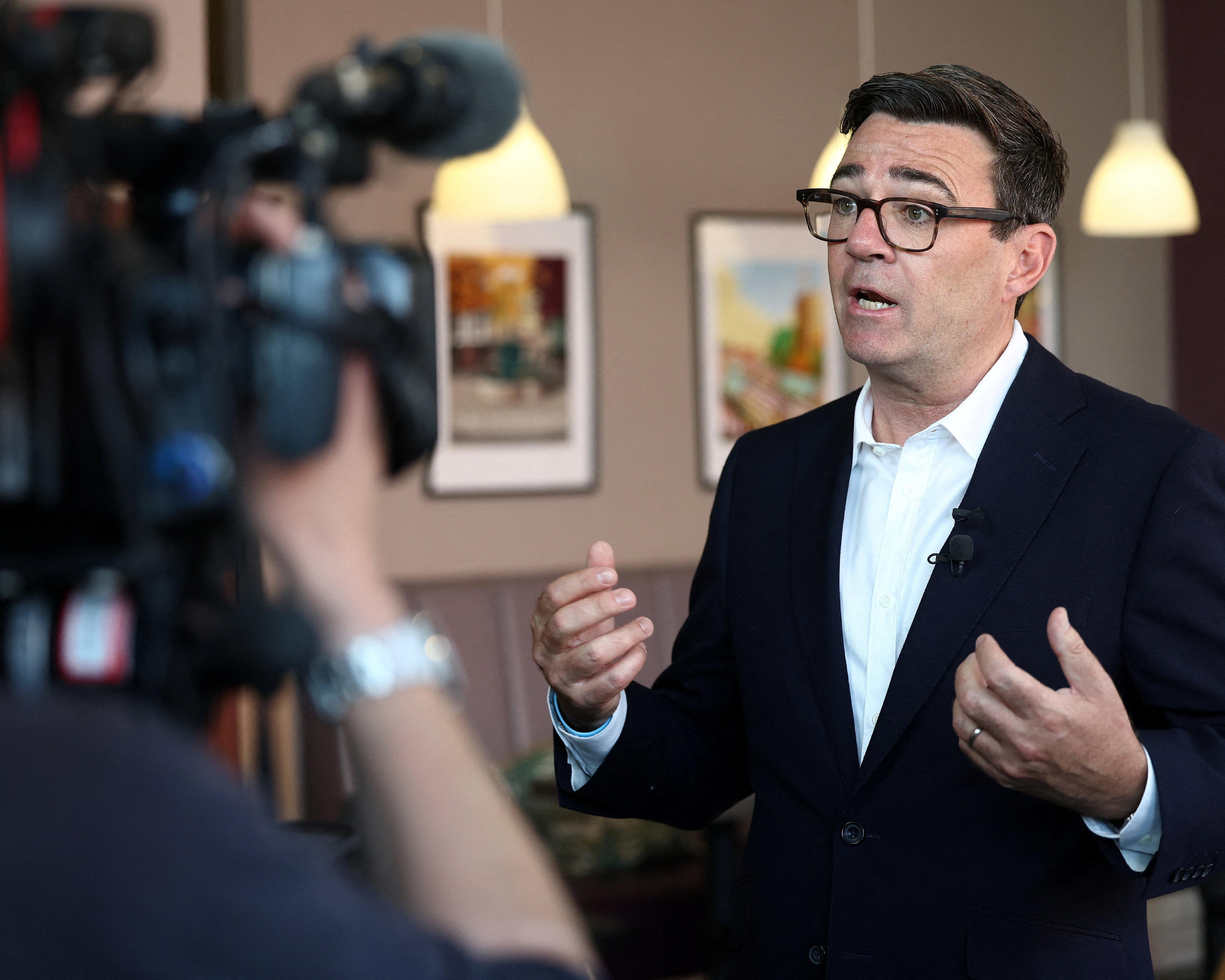
Conversely, Labour is experiencing a resurgence in support, described in the polling as a “Burnham bounce,” with the party reaching its highest level since January. Sir Ed Davey, referred to as Burnham in the source material, has achieved a net approval rating of +13. Separate polling by More in Common suggests his personal approval is already higher after one week in office than Starmer achieved at a similar point. The new Prime Minister has announced a £100m aid package, including a cut to VAT on electricity bills, bus fare caps at £2, and business rate discounts for pubs and live music venues, as part of a strategy to address the cost of living.