Refinery strikes expose structural fragility in Russian fuel supply
With production down significantly since 2019, Ukrainian attacks on refining infrastructure are triggering a fuel crisis that threatens to disrupt Russia’s logistics and public sentiment.
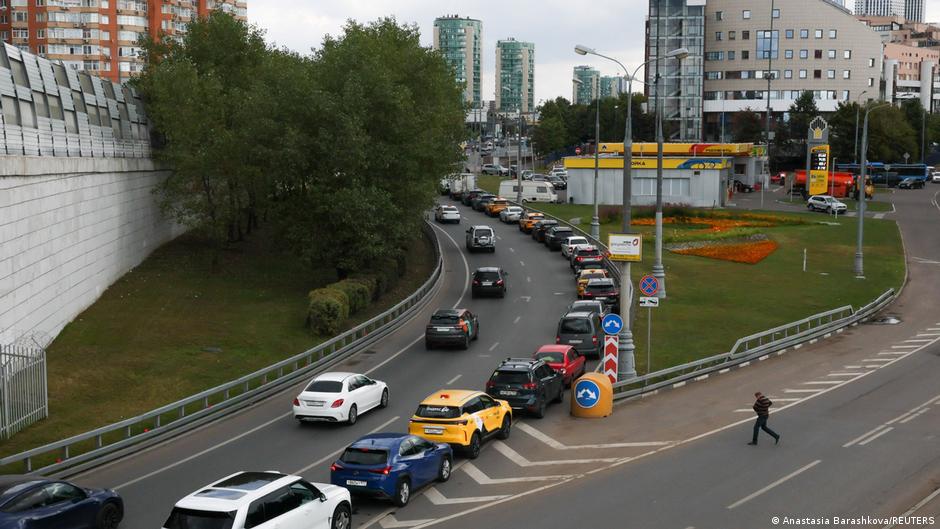
Ukrainian strikes on oil refineries have precipitated a severe fuel crisis in Russia, affecting at least 30 regions including Moscow and the surrounding area. This current wave of shortages is distinct from the previous period of scarcity, which lasted from late May to mid-July, as it specifically impacts the capital region. Major gas station chains, including Gazprom Neft and Tatneft, have implemented sales restrictions in Moscow, resulting in long queues and significant economic disruptions in the logistics, construction, and transport sectors.
The economic ripple effects are already evident in fuel-dependent industries. Taxi drivers, courier services, and construction firms are reporting business losses as supply chains falter. In the southern region of Krasnodar, local media reports that residents are queuing for hours at gas stations. While Russian authorities have attributed the shortages in this area to increased demand during the holiday period, many locals describe the summer season as a disaster, with one real estate agent in Sochi noting a near-total absence of fuel availability.
Underlying the immediate shortages is a longer-term decline in production capacity. Russia’s oil production has dropped from 11.5 million barrels per day in 2019 to less than 9 million barrels per day currently. Dissident economist Nikolai Korzhenevsky warns that if refining problems persist, production could fall to 8 million barrels per day, creating the conditions for a complete economic and systemic crisis. He notes that worsening fuel quality is causing engine damage, with garages in Moscow reporting multi-month waitlists for repairs and replacement parts.
Governance issues are further complicating the situation. The Russian government proposes importing fuel from India, China, or other countries to remedy the shortages, but business journalist Vyacheslav Shiryaev questions the viability of securing a daily supply of 200,000 tonnes given Russia’s current isolation. Additionally, public resentment is growing over the prioritisation of municipal services, security personnel, and authorities, who are permitted to bypass public queues for fuel.
Igor Lipsits, another economist in exile, draws parallels between the current fuel distribution system and the collapse of the Soviet Union. He argues that a closed system for fuel distribution is evolving, making the ability to drive a car a luxury for the elite. This mirrors the pre-Yeltsin era, where special supply systems for the elite caused widespread anger among the general population.
A Russian parliamentarian expects the gas supply situation to normalise within two to three weeks, but dissident economists consider this timeline unlikely. Shiryaev suggests that without increased Western support for Ukrainian attacks on dual-use targets, the crisis could lead to a broader disorganisation of the Russian interior, potentially hastening the end of the war by undermining the stability of Vladimir Putin’s regime.