Red Sea tanker strike ends four years of calm in Yemen conflict
The Iran-backed Houthi militia’s attack on a crude oil tanker in the Red Sea threatens to pull Yemen back into full-scale war, testing Saudi Arabia’s new security alliances and deepening the region’s humanitarian crisis.
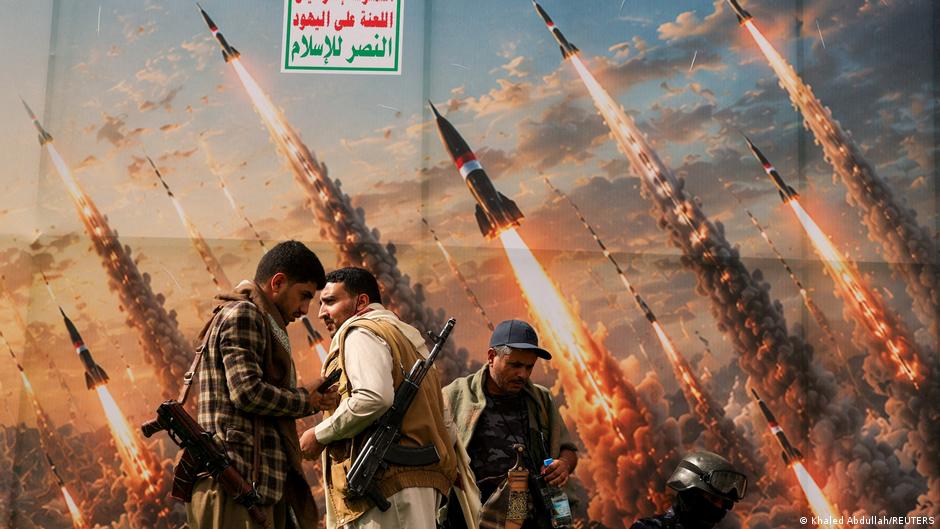
Yemen is at risk of backsliding into full-scale conflict after the Iran-backed Houthi militia attacked a crude oil tanker in the Red Sea off the coast of Saudi Arabia on Monday. The strike follows earlier attacks on Saudi oil infrastructure and vessels in the nearby Bab el-Mandeb Strait, a waterway that connects the Red Sea with the Gulf of Aden. This route has become critical for oil exports from Saudi Arabia and other Gulf countries, particularly as Iran maintains a blockade of the Strait of Hormuz.
The current military flare-up marks the end of four years of relative calm between the Houthis and the Saudi-backed Yemeni government. In August, the Houthis also targeted areas under the control of the internationally recognised government, specifically the port city of Mokha. In response, the Yemeni government struck back at Houthi infrastructure. Hisham Al-Omeisy, a Yemeni conflict analyst, noted that Mokha is strategically important, with the Houthis aiming to weaken government control over Red Sea coastal areas to exert pressure on global maritime trade.
Analysts suggest the Houthis are leveraging the wider Middle East war to extract concessions from Saudi Arabia and distract from domestic failures. Despite a 2022 ceasefire, Saudi Arabia has continued to support the Yemeni government financially and militarily but has not fully lifted air and port blockades in Houthi-controlled areas. Al-Omeisy argues that the Houthis, who have consolidated their position as de facto rulers, are using regional warfare to deflect from their inability to reform the government, pay salaries, and improve livelihoods.
Saudi Arabia’s response has focused on building a broader security architecture to protect its economic transformation under Vision 2030. In July, the kingdom spearheaded the creation of a multinational Maritime Defense Alliance involving more than 14 countries, including the United States. In August, Saudi Arabia also joined the Mecca Joint Defence Agreement with Pakistan and Turkey. However, experts question the efficacy of these measures, with Alice Gower of Azure Strategy noting that the new coalition’s effectiveness remains unproven, while the new defence pact has yet to show operational relevance.
Mohammed al-Basha, founder of the Basha Report, argued that these alliances may not prevent Saudi Arabia from being dragged back into war. He suggested that Riyadh must either provide significant financial concessions to the Houthis or use those funds to support an anti-Houthi coalition to force negotiations. For the Yemeni population, the situation remains dire. The United Nations reports that more than half the population is in need of humanitarian assistance, with the crisis potentially worsening if the conflict expands.
UN High Commissioner for Human Rights Volker Türk has urged all parties to halt actions that risk returning Yemen to full-scale conflict. Tawakkol Karman, the Yemeni Nobel Peace Prize laureate, stated that the National Dialogue outcomes remain the most realistic roadmap for peace, emphasising the need to address the collapse of the Yemeni state and its institutions.