Recruiting landscape shifts as four-star guard Quincy Wadley pledges allegiance to Oklahoma
Wadley, a senior from AZ Compass Prep, cites community support and institutional history as the deciding factors in his commitment to the University of Oklahoma.
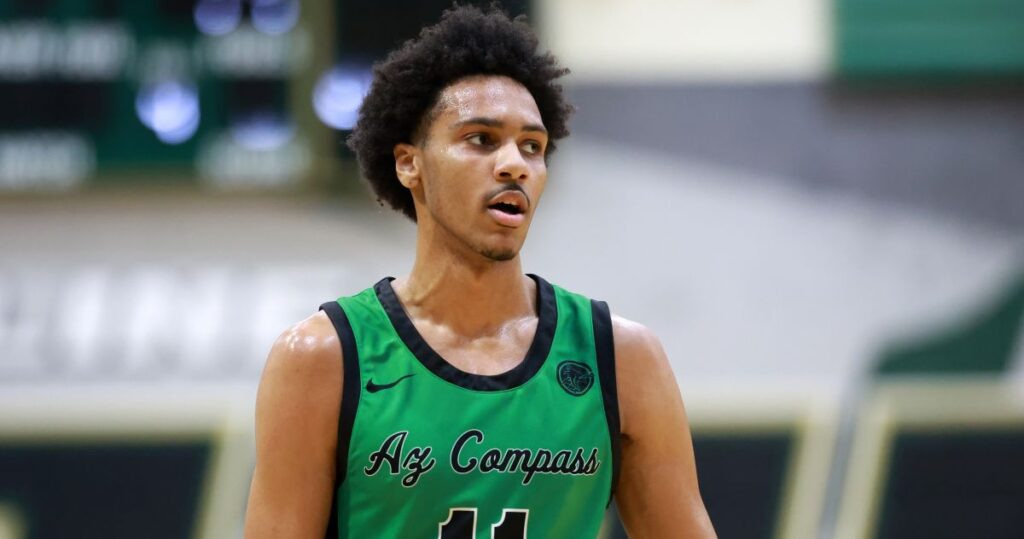
Four-star shooting guard Quincy Wadley has officially committed to the University of Oklahoma, solidifying the Sooners' position in the 2026 recruiting class. The decision marks a significant addition to the program's pipeline, with Wadley selecting the Oklahoma City-based institution after carefully evaluating offers from Cincinnati and LSU.
Wadley, a 6-foot-4 senior currently attending AZ Compass Prep in Arizona, was ranked No. 52 overall in the 2026 class according to the Rivals Industry Ranking. His profile also includes a No. 14 ranking for shooting guards and a No. 7 standing among players from Arizona. During his senior season, the native of Arlington, Virginia, averaged 11.8 points, 3.6 rebounds, 2.1 assists, and 1.4 blocks per game.
In discussions with Rivals regarding his choice, Wadley highlighted the cultural environment as a primary driver for his decision. He noted that the supportive community in Oklahoma played a pivotal role, alongside the desire to be part of the rich history of the Sooner family. This emphasis on institutional culture and community integration suggests a strategic alignment between the prospect's values and the university's broader identity.
The prospect's development philosophy also aligns with the program's existing strengths. Wadley stated that he studies the offensive game of Shai Gilgeous-Alexander to refine his own skills. He expressed a willingness to adapt to any role required by the coaching staff, whether that involves defending the league's best player, facilitating the offence, or scoring, indicating a high level of versatility and coachability.
While the commitment is confirmed, the recruiting process for the 2026 class remains fluid. Wadley's selection demonstrates the ongoing competition for top-tier talent among major programs, as he opted for Oklahoma over other high-profile options. The move underscores the importance of non-academic factors in modern recruiting, where community sentiment and program history often weigh heavily against raw statistics alone.