Record surge in water conflicts highlights infrastructure vulnerability
Data from the Pacific Institute reveals a 78 per cent rise in water-related incidents since 2022, exposing critical gaps in governance and infrastructure resilience across war-affected regions.
As the World Water Week conference opens in Stockholm, new data suggests that water security has become a central pillar of geopolitical instability. The US-based Pacific Institute reported that 420 water-related conflicts were recorded in 2024, a record high that represents a 78 per cent increase from the 235 incidents documented in 2022. This near-quadrupling of conflicts since 2020 indicates a significant shift in how prolonged wars impact essential public services.
The surge is largely driven by attacks on water infrastructure and disputes over access, particularly in regions experiencing protracted conflict. The Pacific Institute, which has tracked these incidents for more than three decades through its Water Conflict Chronology, classifies each event by whether water served as a casualty, trigger, or weapon of war. This institutional tracking provides a structured framework for understanding the systemic failures in resource management.
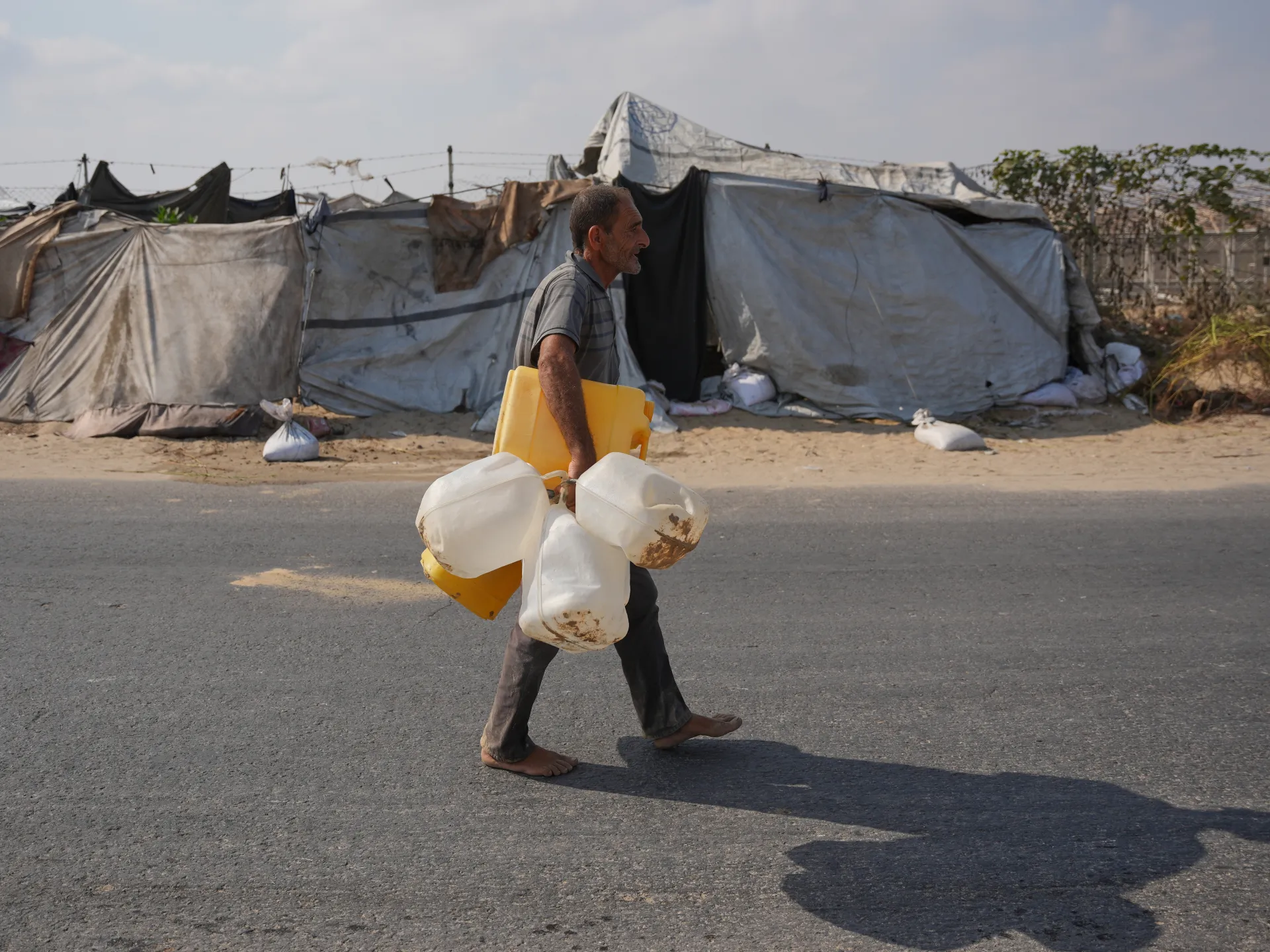
In Gaza, the scale of infrastructure damage has created a severe humanitarian deficit. Approximately 90 per cent of water and sanitation infrastructure has been damaged or destroyed, according to UNICEF. With 1.9 million of 2.1 million people remaining displaced, up to 70 per cent of the population cannot collect the minimum six litres of water per person daily. Medecins Sans Frontieres (MSF) reported that water prices have risen by up to 500 per cent, exacerbating risks of disease outbreaks for vulnerable groups.
The occupied West Bank faces similar structural challenges, where settler attacks and demolitions have compromised Palestinian water infrastructure. Repeated raids on the Ein Samiya wells east of Ramallah have cut supply to approximately 100,000 people. In Sudan, fighting between the Sudanese Armed Forces and the Rapid Support Forces has displaced about 12 million people since April 2023. A Geneva Academy report documented specific attacks on reservoirs and treatment plants in Darfur, contributing to cholera outbreaks and rising famine risks.
Iran’s water system, already weakened by years of drought and depleted groundwater, has been further strained by US and Israeli air strikes since 28 February. Damage to desalination plants and reservoirs in Qeshm Island and Hormozgan province has disrupted supplies for tens of thousands. The conflict has exposed the vulnerability of critical infrastructure in one of the world’s most water-scarce regions, with some reservoirs up to 92 per cent depleted and levels in Mashhad dropping below three per cent.
Ukraine’s crisis is compounded by the intersection of water and energy infrastructure. Attacks have reduced electricity generation by 70 per cent, disrupting water and heating systems. In Kherson, strikes this month cut supplies to entire neighbourhoods, while the Kakhovka Dam disaster in June 2023 continues to affect more than 100,000 people. Across the Gulf, the reliance on desalination plants, which supply between 70 and 99 per cent of drinking water in countries such as Saudi Arabia and Qatar, underscores the strategic importance of maintaining these facilities during conflict.