Record heatwave sweeps South Asia, exposing governance gaps and structural inequalities
At least 10 deaths have been reported in Pakistan, with additional fatalities in India and Bangladesh, as temperatures soar above 45C in some areas.
A record-breaking heatwave is currently affecting India, Pakistan, and Bangladesh, with temperatures exceeding 45C in many regions. The event has resulted in at least 10 reported deaths in Pakistan alone, with further fatalities confirmed in India and Bangladesh. Meteorological agencies describe the intensity, duration, and geographic spread of this heatwave as unprecedented, attributing the crisis to a combination of high-pressure systems, weak pre-monsoon rains, lingering El Niño patterns, and human-driven climate change.
In Pakistan, the Pakistan Meteorological Department has forecast continued heatwave conditions across central and upper Sindh, with temperatures in cities like Jacobabad and Sukkur expected to reach 46C. In Karachi, the country's most populated city, temperatures hit 44C on Monday, the highest recorded since 2018. Local emergency services reported at least 10 deaths on Tuesday when the extreme heat gripped the city, highlighting the immediate physical toll on the population.
Across the border, the India Meteorological Department predicts severe heatwave conditions in western regions and along the coast, with temperatures potentially rising 3–5C above normal in parts of Maharashtra and Gujarat. Specific temperature records include 46.9C in Akola and 46.8C in Amravati, Maharashtra, recorded on April 26. Local media reports indicate that more than 90 of the world's hottest cities were located in India as of April 24.
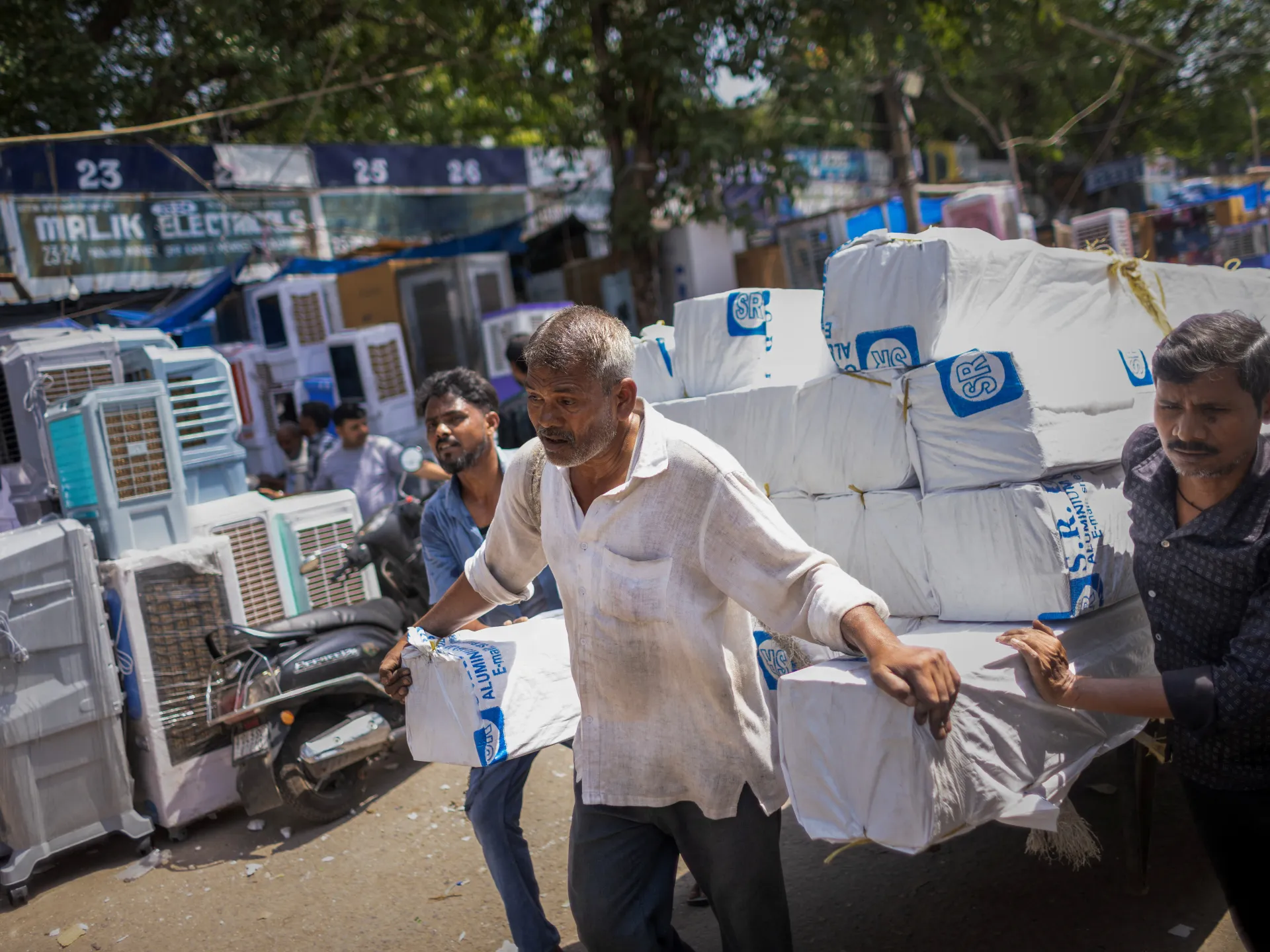
Bangladesh recorded 24 heatwave days in April 2024, surpassing the 75-year previous record. The capital, Dhaka, as well as districts of Faridpur, Rajshahi and Pabna, were particularly badly affected in mid to late April, recording temperatures between 37C and 38C. Experts warn of deep inequalities in impact, noting that informal workers and vulnerable populations face the greatest risks due to a lack of cooling and structural protections.
Kartikeya Bhatotia, a research fellow at Harvard University's Mittal South Asia Institute, stated that while India's "heat preparedness model" combines early warning systems with water provision and cooling centres, these measures tend to reach those already within formal systems. He warned that informal workers and daily-wagers fall largely outside the protections such plans are designed around, and implementation is rarely tracked or enforced.
In Pakistan, climate expert Fahad Saeed raised concerns about the country's preparedness and transparency, pointing to historical discrepancies between official figures and on-the-ground reality. He argued that it is imperative for the government to provide correct numbers and collect real data to mobilise public awareness and access international climate funds. Without accurate data, he warned, meaningful adaptation measures will remain out of reach.
Long-term resilience against rising temperatures will depend on systemic reforms being implemented, experts say. This includes building codes that mandate passive design standards before structures are built, and labour protections that are made enforceable for informal workers. Without such changes, heat risks will continue to outpace current response efforts.