Record drop in Czech beer consumption signals shift in public health and policy priorities
Per capita beer consumption in the Czech Republic fell to 121 litres in 2025, a historic low driven by younger generations, prompting debate over economic impacts and emerging social dependencies.
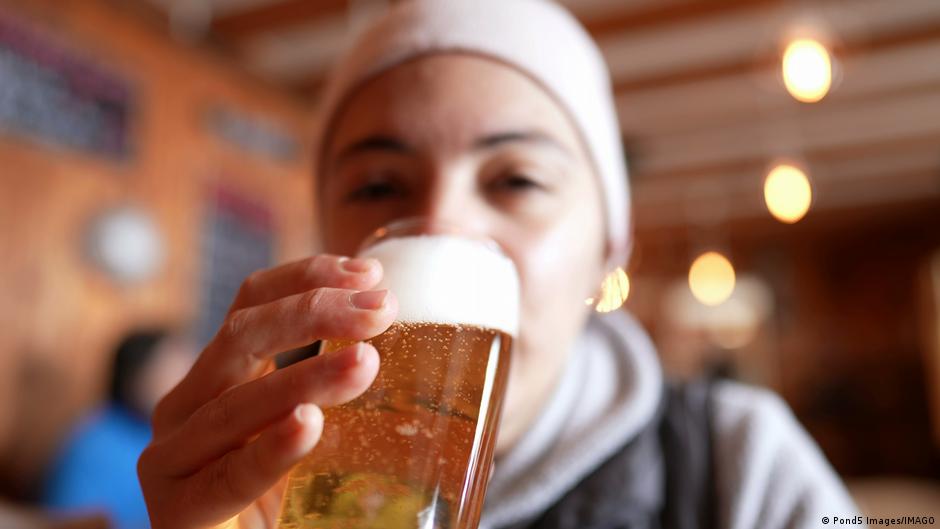
Beer consumption in the Czech Republic has fallen to a record low of 121 litres per capita in 2025, a decline driven primarily by younger generations adopting more moderate drinking habits. According to the Czech Beer and Malt Association, this represents a significant shift from historical norms, with each citizen consuming eight fewer large beers than in 2024. The association noted that consumers are increasingly prioritising quality and variety over quantity, alongside a long-term rise in interest in non-alcoholic alternatives.
The economic implications for the hospitality sector have been immediate. Only about 25 per cent of beer sold in the country was consumed in pubs and restaurants last year, with the majority of sales occurring elsewhere. Consequently, the average price of a half-litre of draft beer in establishments has risen from 40 korunas to between 50 and 60 korunas. In response, the Czech Beer and Malt Association has called on the government to lower the value-added tax on draft beer to support the hospitality industry, citing the economic pressure on drinking and eating establishments.
Production figures reflect the broader downturn in demand. Beer production in the Czech Republic dropped by 4.3 per cent in 2025 to approximately 2,000 million litres. The decline is not isolated to the domestic market; consumption has also fallen significantly in key export destinations such as Germany. The shift has overshadowed other major economic news, including reports on rising fuel prices, highlighting the cultural centrality of beer in the nation of 10 million people.
Health experts and former officials have welcomed the reduction in alcohol intake as a positive development for public health and safety. Tom Philipp, a former deputy health minister and member of the Czechoslovak People’s Party, described the move away from the "the more, the better" mentality as good news. He noted that consumption has decreased from nearly 160 litres per person two decades ago to just above 120 litres today, reflecting a gradual cultural change where it is increasingly acceptable to drink less or abstain entirely.
However, analysts warn that the decline in alcohol use among youth is accompanied by rising risks associated with unregulated substances, social media, and online gaming. Katerina Duspivova, a senior analyst at the Prague-based Czech Institute for Empirical Research, highlighted that alcohol often serves as a substitute for a lack of counselling and support services among young people. Data from the 2024 European School Survey Project on Alcohol and Other Drugs indicated that 14 per cent of 16-year-olds drank to forget problems and 11 per cent used alcohol when feeling depressed.
The Czech Monitoring Center for Drugs and Addiction confirmed these behavioural shifts, noting that while alcohol consumption is declining, there is a concurrent increase in the use of new, unregulated substances and excessive engagement with online gaming. Duspivova emphasised that young people are spending more time in the virtual world while still grappling with real-world problems, pointing to a need for improved mental well-being support systems across generations.