Record-Breaking El Niño Projected to Exceed 2015–16 Event, Threatening Global Markets
With a greater than 90 per cent probability of becoming "very strong" this autumn and winter, the developing El Niño poses significant risks to agriculture, infrastructure, and global supply chains.
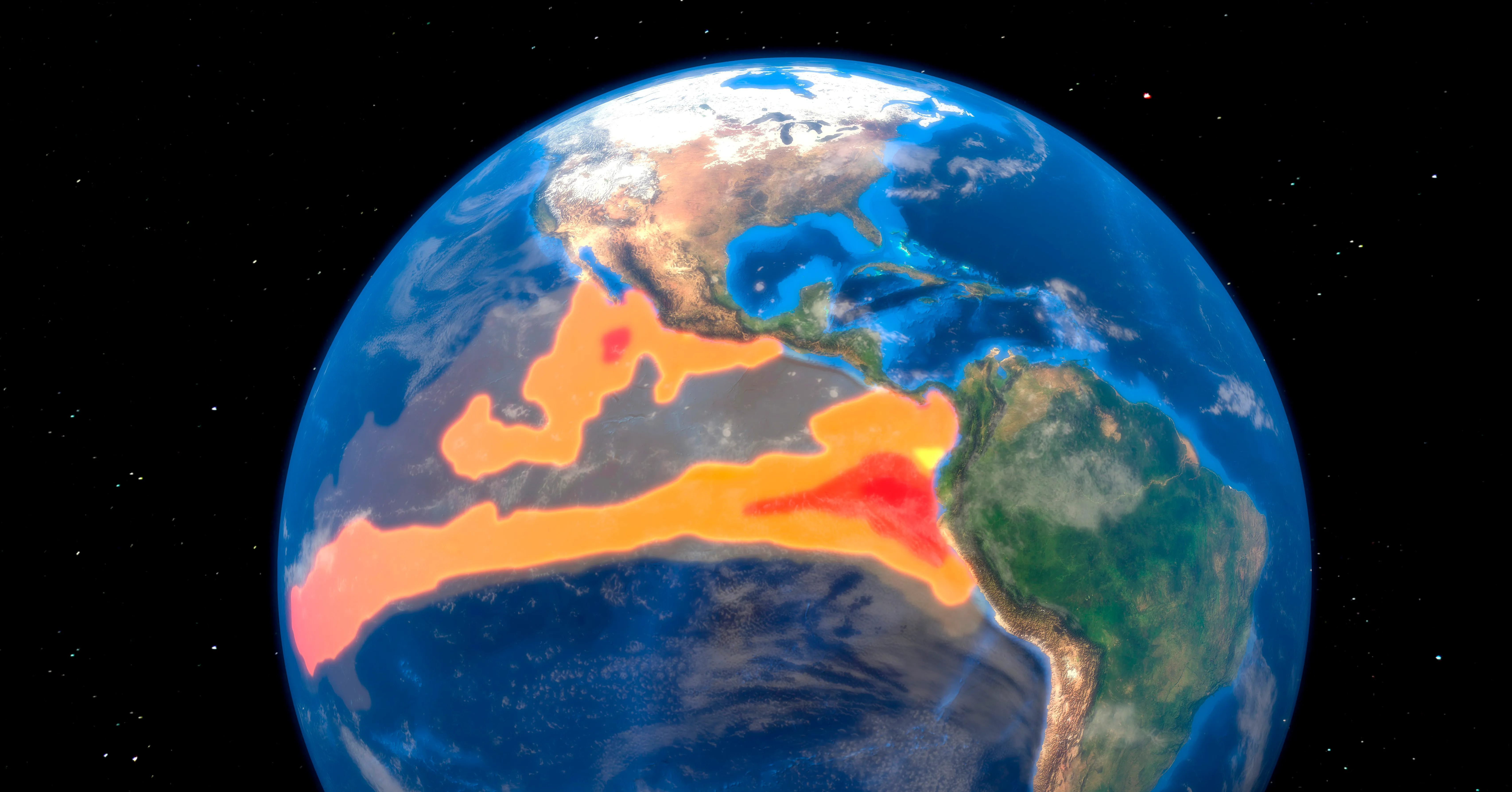
This year’s El Niño is developing at an exceptional speed and is projected to be the strongest on record, potentially exceeding the intensity of the 2015–16 event by 0.8 degrees Celsius. Meteorological agencies, including the US National Oceanic and Atmospheric Administration (NOAA), have issued warnings regarding the significant global impacts that accompany such extreme oceanic warming. The event carries a greater than 90 per cent probability of becoming "very strong" this autumn and winter, raising concerns among investors and policymakers about the downstream economic consequences.
The current phenomenon is gaining strength faster than historical precedents. While the 2015 El Niño developed from already rising sea surface temperatures, this year’s event began in a state closer to La Niña, with below-average temperatures, before accelerating rapidly. Modelling by Berkeley Earth suggests that median temperatures for the NINO3.4 region could reach 3.6 degrees Celsius above normal, even after accounting for long-term global warming. This represents an exceptional level of warming, particularly when compared to the historical gap of only 0.5 degrees Celsius between the strongest and fifth-strongest El Niño events over the past 150 years.
The economic stakes are substantial. Historical data indicates that the 1997–98 El Niño resulted in cumulative losses of approximately $5.7 trillion over the following five years. Such figures underscore the potential for severe disruption to global markets, particularly in sectors reliant on stable weather patterns. The rapid development of the current event suggests that industries ranging from agriculture to energy may face immediate volatility as the climate system shifts.
Global weather impacts are already being forecast with high confidence. The US Southwest is likely to see increased winter precipitation, which may alleviate some drought conditions but also raises the risk of flooding, as seen during the 1982–83 super El Niño when the Colorado River basin experienced record-breaking snowfall and reservoir overflow. Conversely, Indonesia and parts of southern Africa face an increased risk of drought, conditions that previously led to humanitarian crises requiring aid for tens of millions of people.
Atlantic hurricane seasons tend to be milder during El Niño events, with fewer storms forming, while Japan, Australia, and Brazil may experience warmer winters. However, these shifts are not isolated; they are part of a broader chain reaction triggered by the release of oceanic heat into the atmosphere. As the event strengthens, the interplay between these weather patterns will likely create complex challenges for global infrastructure and resource management, requiring robust preparedness strategies from both public and private sectors.