Real-world data shows modern EV batteries outlasting industry forecasts
New analysis of over 22,700 vehicles indicates modern packs retain 95 per cent of range after five years, with replacement rates dropping to 0.3 per cent for units built from 2022.
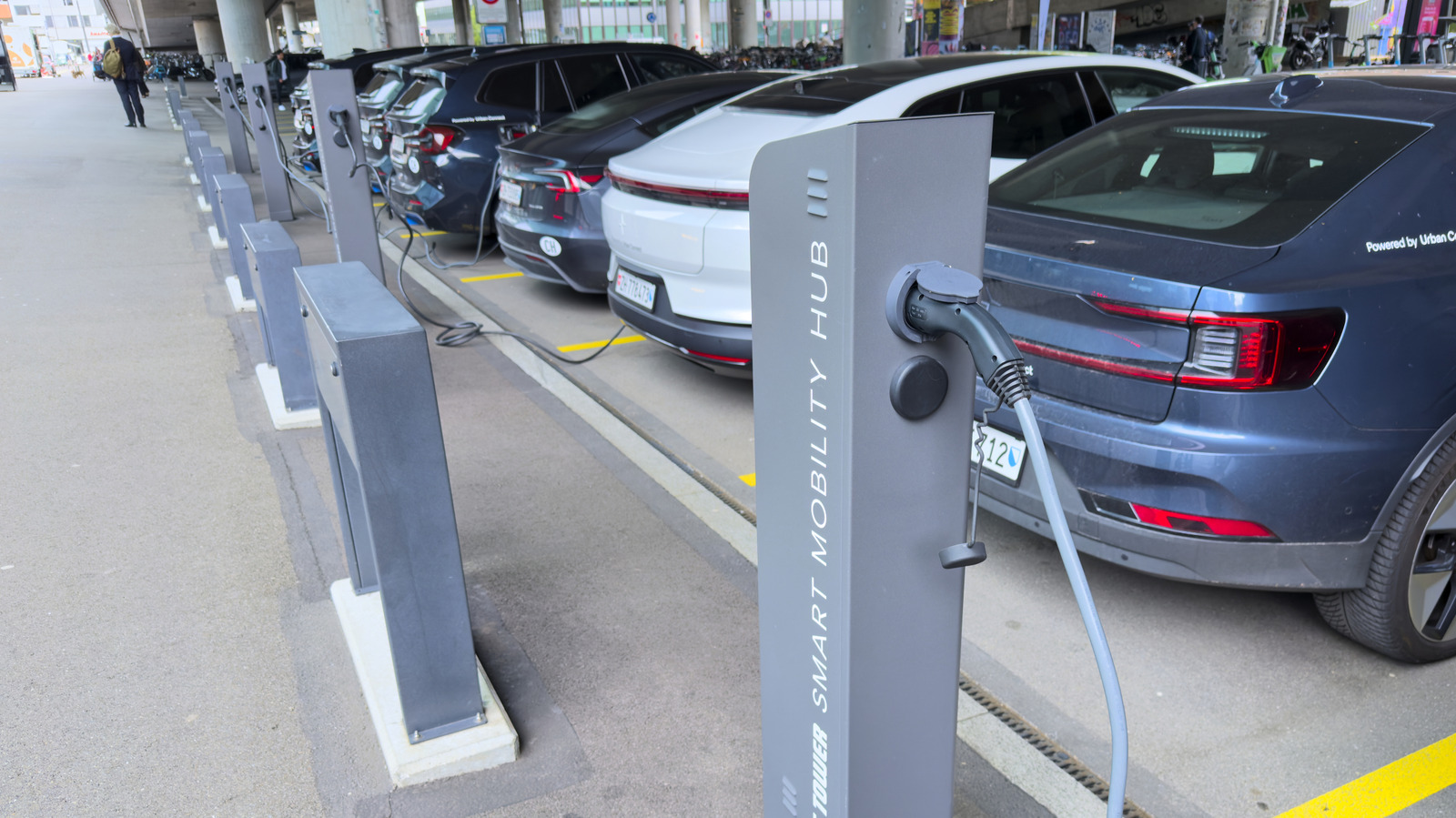
Real-world telemetry data indicates that modern electric vehicle batteries are degrading significantly slower than initial industry forecasts, with average units retaining up to 95 per cent of their original range after five years. This performance substantially outpaces early estimates that once fuelled widespread consumer anxiety regarding long-term reliability and replacement costs.
A 2025 study by data science company Recurrent found that only 0.3 per cent of EVs built from 2022 onward required battery replacement, a sharp contrast to the 8.5 per cent replacement rate observed between 2011 and 2016. Despite this improvement, a 2025 survey by research firm AutoPacific indicates that fear of battery replacement costs remains the number-one reason consumers avoid electric vehicles.
Connected car data company Geotab analysed more than 22,700 EVs and determined that modern batteries degrade at an average rate of 2.3 per cent per year. At this trajectory, the data suggests a realistic lifespan of 20 years or more for current battery packs, fundamentally altering the long-term ownership calculus for buyers.
Analysts attribute this improved durability to advances in chemical composition, smarter management systems, and effective thermal regulation. Viet Nguyen-Tien, a research officer at the London School of Economics, told the Wall Street Journal that these technical upgrades, alongside a 90 per cent drop in battery prices since 2010 according to BloombergNEF, have stabilised the technology.
The discrepancy between lab tests and real-world performance is also significant. Standard laboratory tests often subject batteries to constant-current discharging, whereas dynamic driving conditions are less stressful. Tests by Stanford University's SLAC-Stanford Battery Center showed that mimicking real-world habits, such as regenerative braking and rest periods, extended battery life by up to 38 per cent compared to constant-current discharge.
Charging behaviour remains the primary controllable factor in battery health. Geotab’s analysis identified that vehicles using high-power DC fast charging above 100kW degrade at up to 3 per cent per year, which is double the rate of those relying on lower-power charging. Keeping a battery between 20 and 80 per cent state of charge during regular use significantly reduces long-term wear.
Manufacturers are increasingly designing packs for repairability, allowing individual cells to be replaced rather than the entire unit. This shift, combined with falling costs and extended lifespans, is strengthening the investment case for electric vehicles as the gap between early fears and current reality widens.