Real Madrid chief visits Ceuta to signal institutional support amid migration strain
Florentino Perez’s visit to the Spanish enclave was framed as a pre-planned diplomatic gesture, distinct from recent on-field controversies involving club stars.
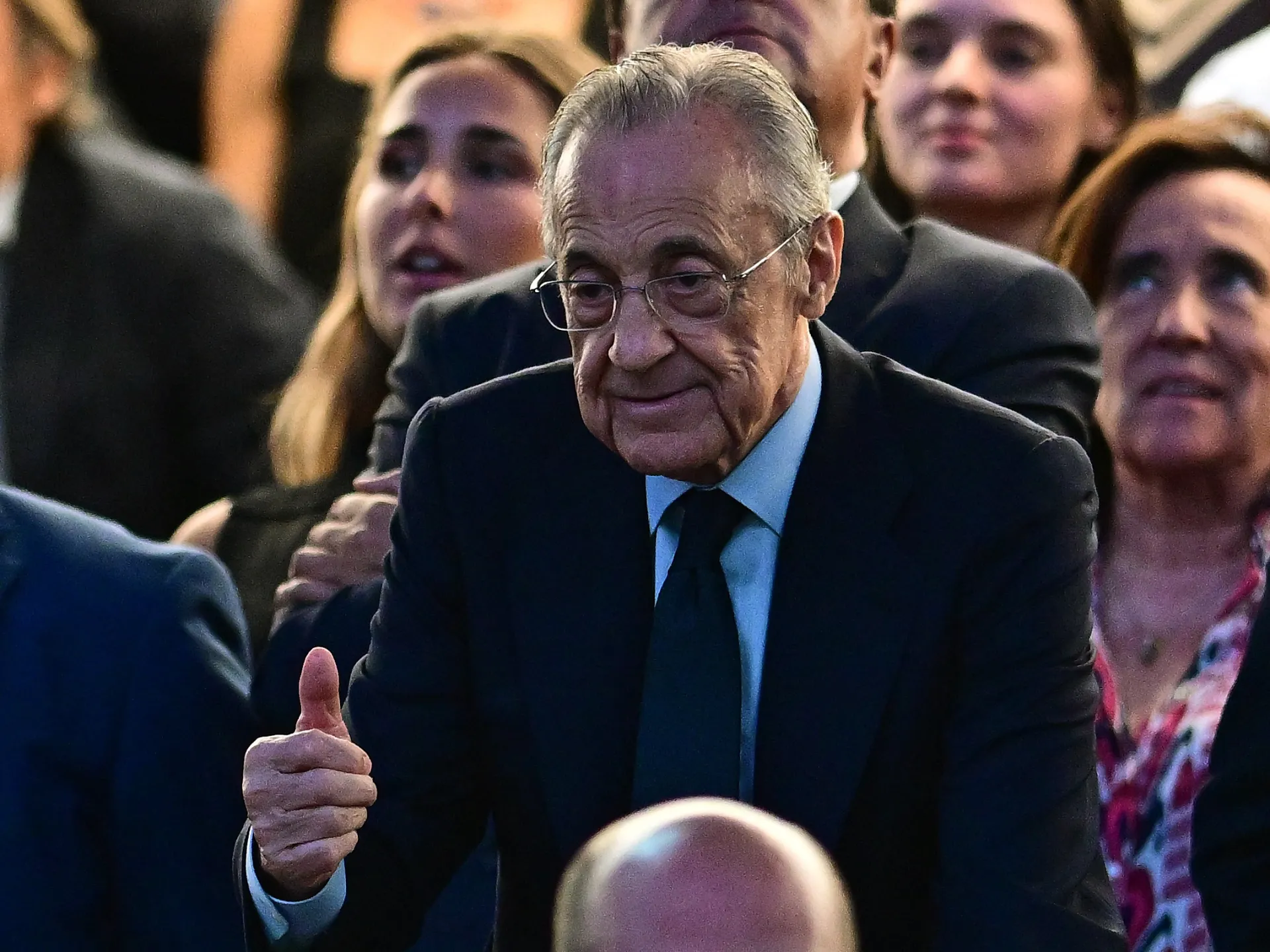
Real Madrid President Florentino Perez visited Ceuta city hall on Friday to convey institutional solidarity with the Spanish territory, a move he described as unrelated to recent developments in the football world. Perez was accompanied by honorary Real Madrid President Jose Martinez Pirri, a native of Ceuta, and was received by Regional President Juan Jesus Vivas.
The visit comes at a time of significant strain for the enclave, which has faced disruption following more than 70,000 irregular crossings from Morocco in July. Perez stated that the event had been prepared over several weeks with the president of Ceuta, aiming to avoid any ambiguity regarding its timing.
Perez explicitly distanced the trip from a controversy that emerged earlier in the week. On Tuesday, before a La Liga match against Elche, players Kylian Mbappe, Vinicius Jr, and Ibrahima Konate obscured the message “We are all mackerels” on their shirts. The phrase, a nickname for people from Ceuta, was intended to show support for the local population.
Mbappe later explained that he did not wish to prioritise the suffering of one group over another. In response, Real Madrid told Reuters that the club respected its players’ freedom to make their own decisions. The club also noted that it had already demonstrated support for Ceuta a week prior with a tifo during a Champions League match against Inter Milan.
In his address at the city hall, Perez conveyed support and affection to the residents of Ceuta during what he described as very difficult times. He expressed the hope that normality would resume as soon as possible in the territory.
The gesture by Real Madrid is part of a broader wave of solidarity shown across Spain since the mass crossings began, highlighting the intersection of high-profile sporting institutions and regional political challenges.