Real Madrid appoint Jose Mourinho on three-year deal to restore institutional dominance
The 63-year-old arrives from Benfica with a €15 million transfer fee, tasked with managing a star-studded squad including Kylian Mbappé and Vinicius Junior amid internal conflicts.
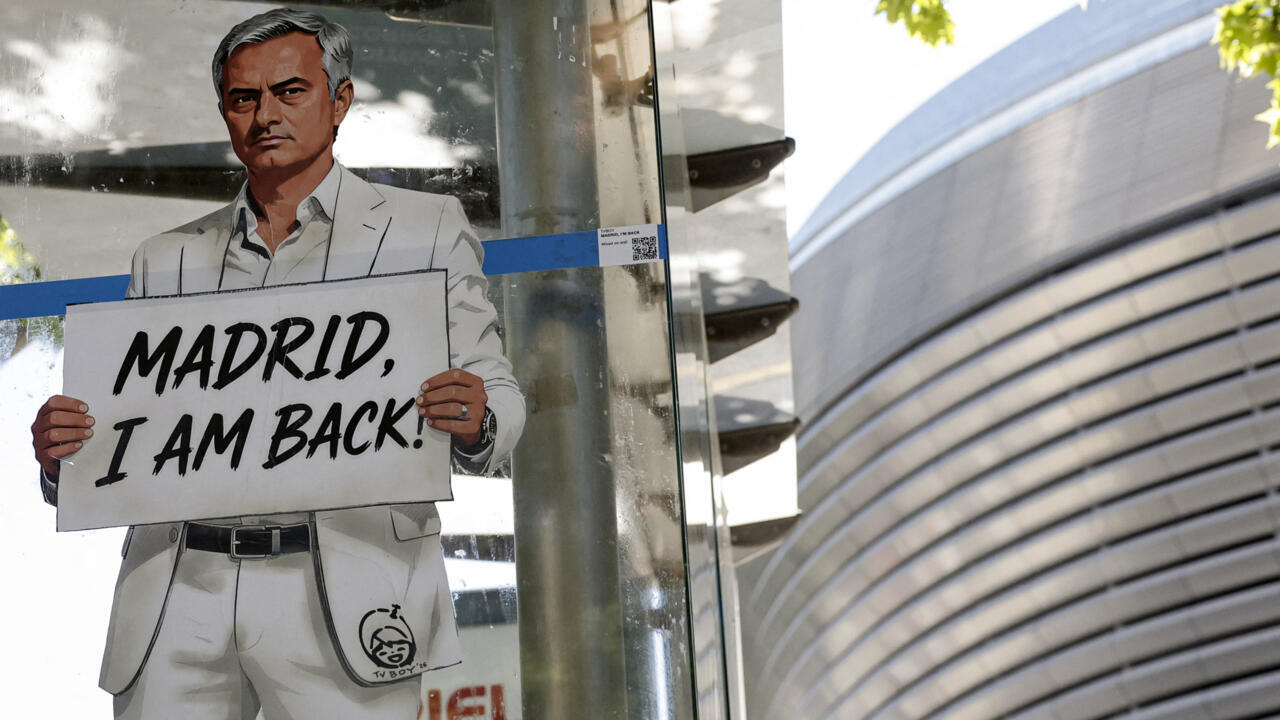
Real Madrid have formally appointed Jose Mourinho as head coach on a three-year contract, a strategic move by the club’s board to reassert institutional control following a period of significant internal instability. The 63-year-old Portuguese manager returns to the Spanish capital 13 years after his previous tenure, officially joining the club on July 13, coinciding with the start of the preseason campaign.
The appointment marks a decisive shift in governance for the 15-time European champions, who have endured a second consecutive season without a major trophy. Mourinho replaces Alvaro Arbeloa, whose departure follows a troubled period characterised by dressing room friction and the failure to effectively integrate high-profile assets such as Vinicius Junior, Kylian Mbappé, and Jude Bellingham. Previous coaching appointments under Carlo Ancelotti and Xabi Alonso struggled to balance squad harmony, leading to public flashpoints, including a hospitalisation for midfielder Fede Valverde following a conflict with Aurelien Tchouameni.
Financial terms of the agreement confirm that Real Madrid paid Benfica €15 million ($17.25 million) for Mourinho’s services. The Portuguese coach arrives from Benfica, where he completed an unbeaten league campaign but ultimately finished third in the standings. This result, while statistically impressive, underscored the competitive pressure in Portuguese football and provided a baseline for his return to the European elite.
Club president Florentino Perez, who was reelected in June, has positioned Mourinho as the architect of the club’s recent continental success. Perez credited the manager with laying the groundwork for Real Madrid’s last six Champions League titles, a narrative that justifies the return to a figure known for his authoritarian management style. The president’s decision reflects a prioritisation of trophy accumulation over the diplomatic management styles employed in recent years.
Mourinho’s historical record at Real Madrid between 2010 and 2013 remains a point of institutional contention. While he secured La Liga, the Copa del Rey, and the Spanish Super Cup, and led the club to 100 points in the 2011-12 season, his tenure was also defined by intense rivalry with Pep Guardiola’s Barcelona and significant internal discord. The current appointment suggests a calculated risk by the club’s leadership to impose order on a squad that has previously resisted cohesive tactical deployment.
The manager’s recent career trajectory includes a brief and unsuccessful stint at Fenerbahce, where he was sacked in August 2025 after failing to progress past Benfica in Champions League qualification play-offs. His subsequent appointment by Benfica and immediate move to Madrid indicates a rapid rehabilitation of his profile within top-tier European football.
Mourinho is tasked with restoring dominance in La Liga, where domestic rivals Barcelona have capitalised on Madrid’s recent trophy drought. The club’s statement confirmed the contract runs until June 30, 2029, providing a long-term horizon for the restructuring of the team’s hierarchy and tactical identity.