RCPCH report brands UK child health a 'national embarrassment' ahead of government transition
New analysis from the Royal College of Paediatrics and Child Health reveals stark inequalities and declining outcomes, prompting calls for sustained investment before Andy Burnham assumes leadership.
The Royal College of Paediatrics and Child Health (RCPCH) has released a stark assessment of the nation’s paediatric landscape, warning that UK children are on track to become one of the unhealthiest generations in decades. Published on 14 July 2026, the report utilises 12 globally recognised indicators to demonstrate that child health outcomes have either stagnated or declined across all metrics, ranging from obesity and asthma to vaccination uptake and mental health.
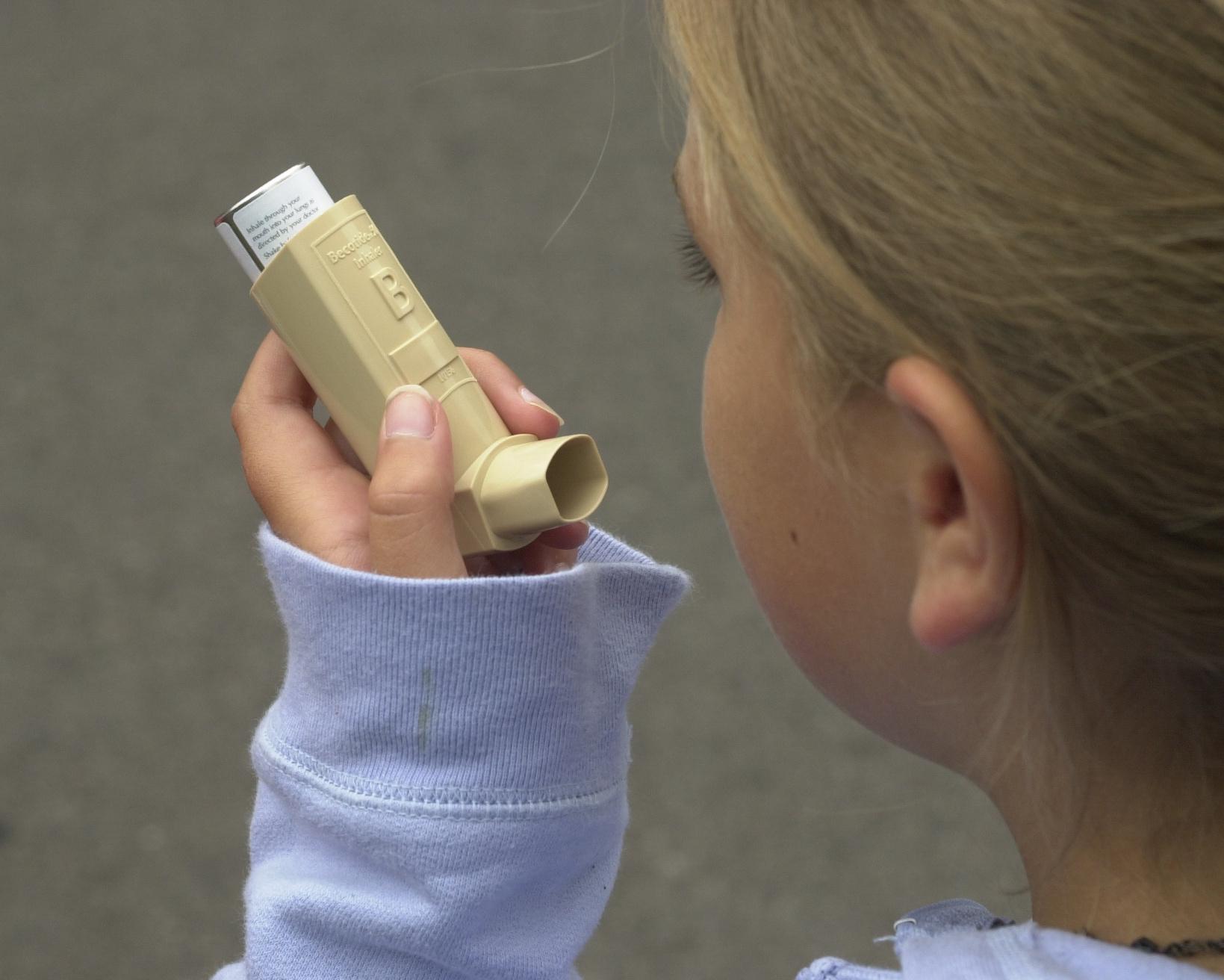
Dr Helen Stewart, the RCPCH officer for health improvement, described the current record as a “national embarrassment,” noting that the UK ranks among the worst-performing G7 nations for MMR vaccination uptake. With only 84 per cent of children receiving two doses by age five, the figure falls significantly short of the World Health Organization’s 95 per cent target. The analysis also highlights that the UK possesses one of the highest asthma-related mortality rates in Europe, alongside infant mortality figures that have shown little improvement since 2023 and remain higher than those in comparable European countries.
The report underscores profound health inequalities, revealing that infant mortality and obesity rates in the most deprived areas are more than double those in the least deprived. Sarah Woolnough, chief executive of the King’s Fund, characterised the findings as a “wake-up call,” emphasising that these disparities begin early in life and significantly shape future opportunities. YouGov polling included in the analysis suggests that only 12 per cent of parents believe child health has improved over the past decade, indicating that any marginal progress has not been perceptible to families.
With Andy Burnham expected to assume leadership of the incoming government on 20 July, the RCPCH is urging policymakers to move beyond incremental adjustments. Dr Stewart called for the new administration to utilise its first 100 days to establish sustained investment, improve data collection, and implement binding national targets designed to narrow the gap between affluent and deprived communities. She warned that without such bold action, more children will enter adulthood at a disadvantage, placing increased pressure on public services and families.
In response to the findings, a government spokesperson cited recent legislative and operational measures aimed at addressing these disparities. The administration highlighted the ending of the two-child limit, the expansion of mental health support in educational settings, and the introduction of free breakfast clubs and school meals for children on universal credit. Despite these efforts, the RCPCH maintains that a comprehensive strategy focused on workforce investment and data transparency is required to reverse the current trajectory of declining child health outcomes.