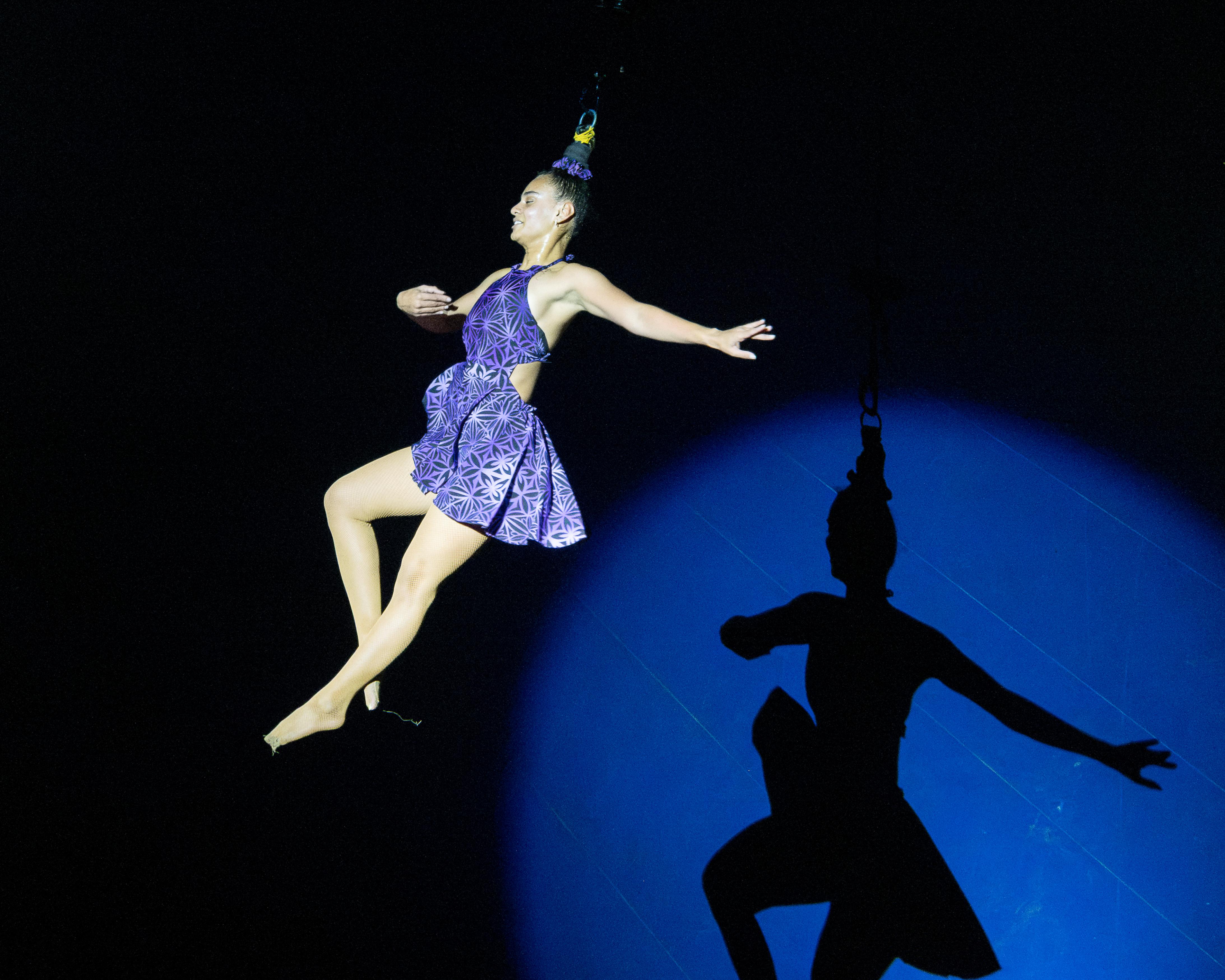
Raygun: Breaking Badly review: The Olympic B-girl who turned global mockery into a triumph of authenticity
Netflix’s latest Untold documentary traces the journey of Dr Rachael Gunn from viral ridicule at the Paris Olympics to a public reappraisal of her unique style.
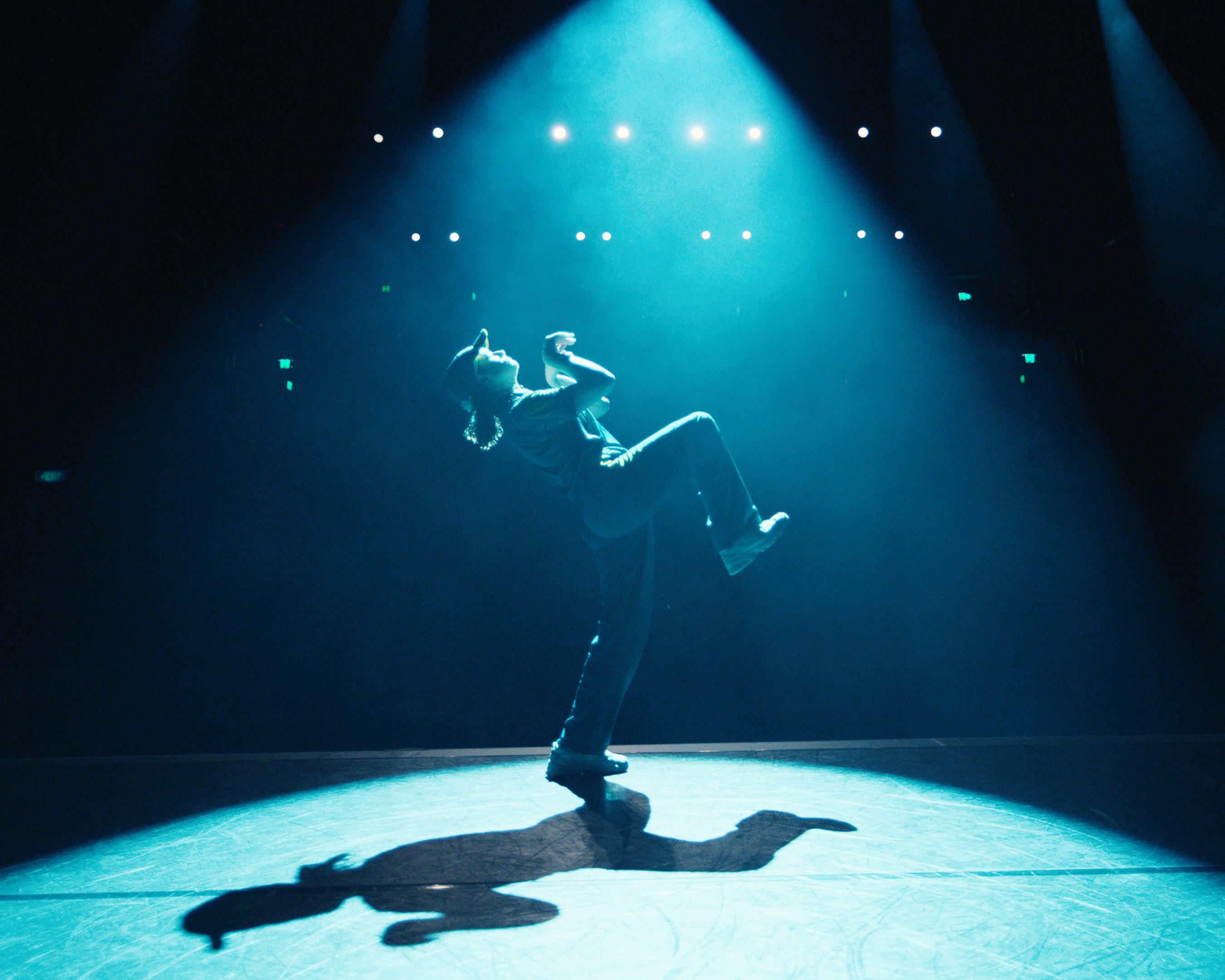
Netflix has released Raygun: Breaking Badly, a new entry in its Untold series that profiles Australian breakdancer Dr Rachael Gunn. The film examines how Gunn, known professionally as Raygun, navigated the intense scrutiny that followed her performance at the Paris Olympics, where she scored zero points and became a subject of widespread social media mockery.
The documentary positions Gunn within the tradition of Olympic underdogs, drawing comparisons to figures such as Eddie the Eagle and Eric Moussambani. However, the film notes that Gunn’s situation was distinct because breakdancing was a new sport at the Games, a factor that primed the event for ridicule. Furthermore, the real-time nature of social media allowed the public to mock her performance instantly, turning a competitive loss into a global cultural moment.
Gunn’s journey is framed by the clash between her creative style and the technical expectations of the international elite. The film argues that her performance was a mismatch of styles, likening her entry to placing an interpretive dancer in a gymnastics competition. By her own admission, judged by the established criteria, she was "pretty shit," a sentiment that the world initially shared before gradually shifting its perspective.
The narrative is supported by Gunn’s husband, Sam, whose professional name is Sammy Sex, along with Australian breakers Tinylocks and Flix, who serve as a "Greek chorus." Their perspectives highlight the personal toll of the backlash, which saw Gunn begin taking antidepressants and release a video begging the media to leave her alone. The documentary also references the public’s reaction, noting that Adele discussed her during a concert and Rachel Dratch performed an impersonation on Jimmy Fallon.
As the initial outrage subsided, the film suggests the public began to appreciate Gunn’s authenticity. Rather than conforming to the hardcore power moves of her competitors, she entered the Olympics on her own terms. The documentary portrays her as a bundle of nerves and impostor syndrome who was simply trying to get through the day, making her perhaps the most human athlete at the Games.
The film also touches on Gunn’s academic background, noting her PhD thesis titled Deterritorializing Gender in Sydney’s Breakdancing Scene: A B-girl’s Experience of B-boying. This detail underscores the depth of her engagement with the sport, contrasting her scholarly approach with the viral memes that defined her public image.