Ravans reshape edge rush for 2026 season as Hendrickson takes lead
Head coach John Harbaugh and defensive coordinator Anthony Weaver face the task of integrating Trey Hendrickson into a deep rotation alongside veterans and rookies.
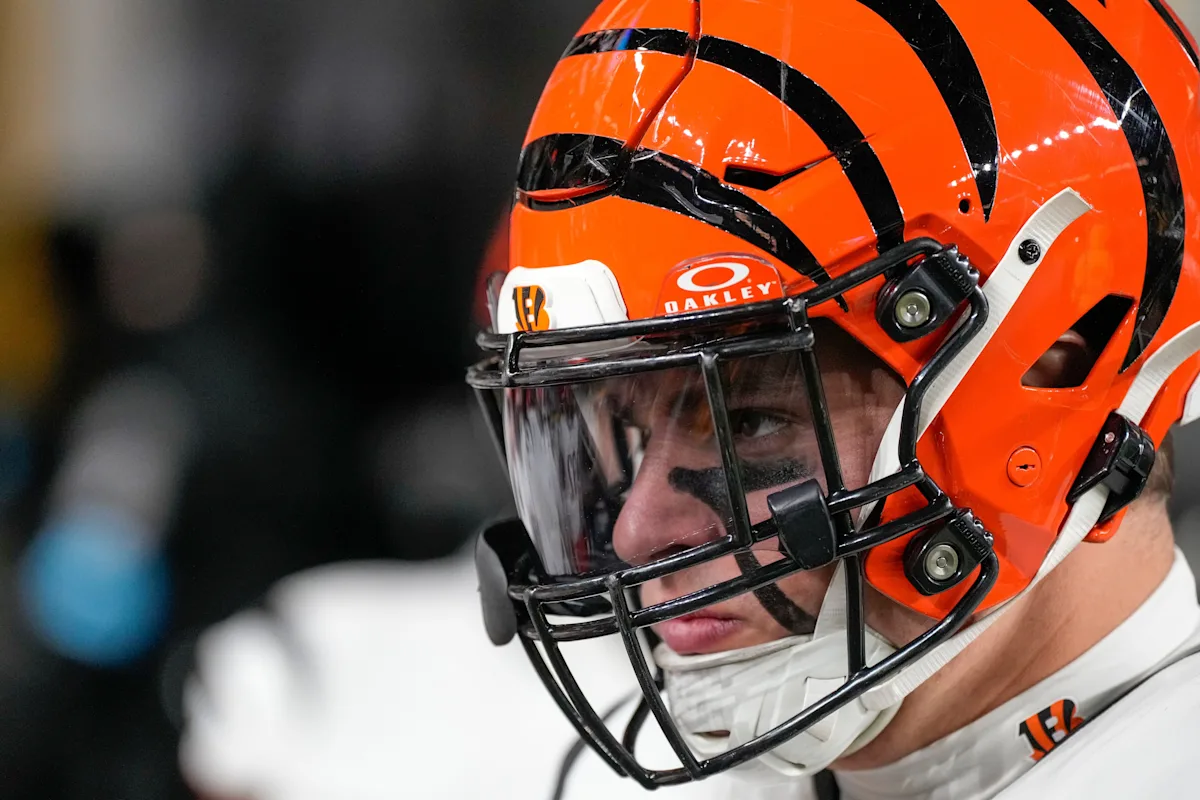
The Baltimore Ravens enter the 2026 training camp with a significantly altered edge-rushing unit, headlined by the addition of Trey Hendrickson. The team’s defensive leadership, including head coach John Harbaugh and defensive coordinator Anthony Weaver, must now determine the depth chart and snap distribution for a group that blends established veterans with developing prospects. The primary objective is to construct a reliable rotation that maximises pass-rush efficiency while managing the workload of key players over a 17-game schedule.
Hendrickson, entering his 10th NFL season, is positioned as the primary pass rusher. At 32 years old, the veteran is expected to receive a significant share of premium snaps, particularly in third-down and late-game situations. His presence is anticipated to force opposing offensive coordinators to adjust protection plans, thereby creating favourable opportunities for interior defenders. The Ravens aim to preserve Hendrickson’s effectiveness by utilising a deep rotation, ensuring he remains fresh without sacrificing pressure on the quarterback.
Veteran Calais Campbell, in his 19th season, provides versatility and leadership across the defensive front. Rather than being deployed solely as a defensive end, Campbell is expected to shift between edge and interior positions based on matchup requirements. His role will likely focus on early-down run defence and selected pass-rushing situations, allowing him to control the line of scrimmage while conserving energy. His experience offers a developmental resource for younger players in the unit.
Mike Green, in his second season, benefits from Hendrickson’s arrival by facing more favourable matchups. The former Marshall standout is expected to develop without carrying the entire burden of the pass rush, allowing him to focus on improving his run defence and maintaining edge discipline. Green’s performance will determine whether he opens the season as a full-time starter or as an aggressive rotational weapon, with the team expecting him to play a major role regardless of his specific designation.
Rookie Zion Young, standing at 6-foot-5 and 262 pounds, competes for a rotational role alongside other contenders such as Tavius Robinson, Adisa Isaac, Kaimon Rucker, and undrafted rookie Ethan Burke. Young’s primary technical challenge involves refining his hand usage, leverage, and ability to counter once his initial move is stopped. Meanwhile, Isaac and Rucker face pressure to demonstrate special teams value and situational pass-rush production to secure final roster spots, with Burke viewed as a developmental underdog whose path to the team begins on special teams.