Range Rover breaks SUV mould with electric GT debut on new EMA platform
The Range Rover GT marks a strategic pivot for Jaguar Land Rover, replacing the traditional SUV silhouette with a grand tourer design built on the new Electrified Modular Architecture.
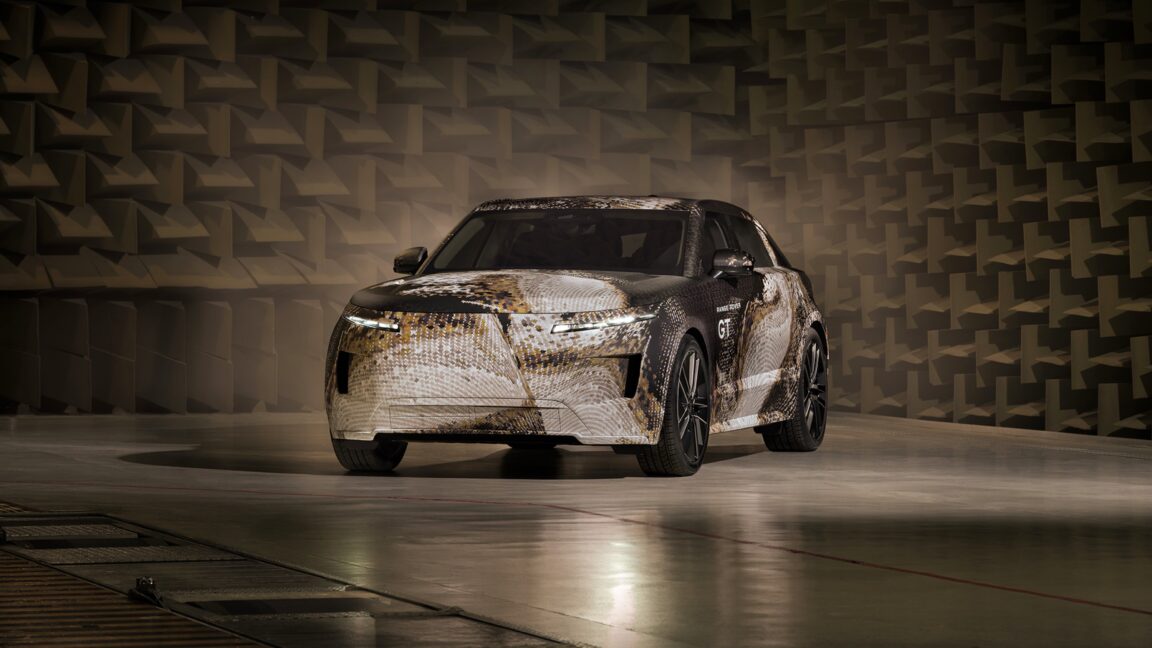
Range Rover has officially confirmed the development of the Range Rover GT, a vehicle that marks its first departure from the SUV segment since the brand’s inception in 1970. Scheduled for release in 2027, the new model will debut as a fully electric grand tourer, utilising the company’s new Electrified Modular Architecture (EMA) platform. The announcement follows over a year of spy shots that were initially misidentified as an electric replacement for the Range Rover Velar, but were in fact prototypes of the GT undergoing rigorous testing at the Nürburgring and the Arctic Circle.
Martin Limpert, managing director of Range Rover, described the vehicle as the "most car-like, yet unmistakably capable, Range Rover ever created." The GT represents a significant structural shift for Jaguar Land Rover, as it will be the first vehicle to utilise the EMA flexible platform. This architecture is distinct from the Modular Longitudinal Architecture (MLA) that underpins current Range Rover models and is designed to be powertrain-agnostic, allowing for both electric and hybrid configurations.
While the initial launch will be exclusively electric, the company has confirmed plans to introduce a hybrid version to complement the EV offering. The EMA platform is the third electrifiable architecture in the group’s portfolio, joining the MLA and the JEA platform currently being developed by Jaguar for the forthcoming Type 01 grand tourer. The Jaguar Type 01 is expected to debut later this year, sharing the grand tourer ethos but utilising a separate platform structure.
Inside, the Range Rover GT adopts an ultraminimalist design philosophy that diverges sharply from the cabin layouts of its SUV predecessors. Range Rover designers have omitted the third screen typically found for front passengers, focusing instead on dual OLED screens for the instrument display and infotainment system. A head-up display is included as standard equipment, while the interior retains sufficient physical controls to meet European safety regulations, balancing modern aesthetics with regulatory compliance.
Manufacturing for the Range Rover GT will take place at the Halewood plant in the United Kingdom. Although the vehicle remains under heavy camouflage, recent imagery suggests a sleek coupé silhouette that is less boxy than earlier prototypes. Further details regarding the exterior styling and specific technical specifications are expected to be revealed later this year, as the brand prepares for the 2027 market entry.