Ramaphosa’s Migration Crackdown Meets Regional Backlash and Domestic Skepticism
With a June 30 deadline for undocumented migrants looming, South Africa faces diplomatic strain from Ghana, Nigeria, and Malawi, while domestic enforcement capabilities remain under scrutiny.
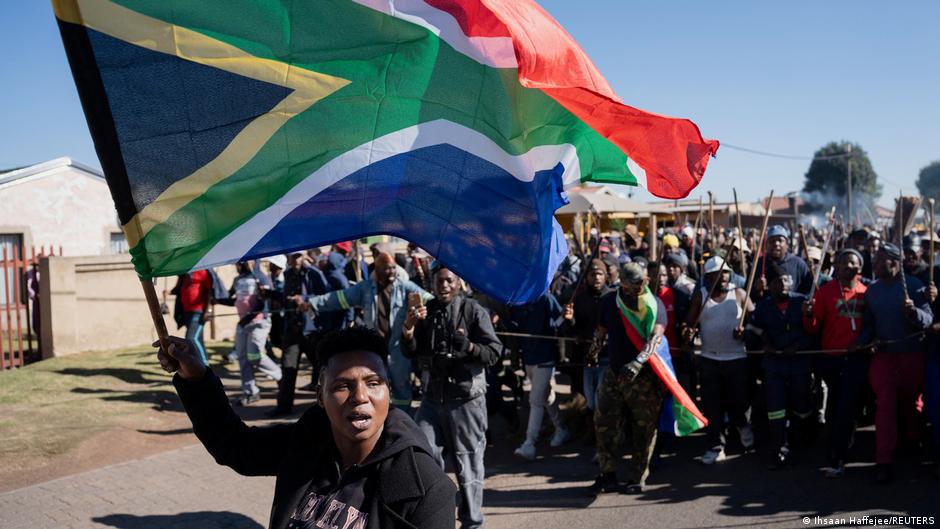
South African President Cyril Ramaphosa has unveiled a comprehensive strategy to curb illegal and irregular migration, promising to strengthen border security, close legislative loopholes, and eradicate corruption within the immigration department. The announcement, delivered amidst escalating tensions, includes a stern warning against vigilantism, with the President stating that no individual is permitted to confront citizens on the street to demand proof of nationality.
Despite these assurances, the government’s approach has been met with significant scepticism from prominent anti-migrant organisations. The All-Truck Drivers Forum and Allied South Africa (ARDF-SA), alongside the group March and March, have dismissed the proposals as unworkable. Freeman Bhengu, interim organiser for ARDF-SA, indicated that many South Africans feel unheard by the state, while experts note that policing South Africa’s 4,471 km land border remains a logistical challenge due to numerous footpaths and fencing gaps.
Data from the national statistical agency, Stats SA, indicates that approximately 3.3 million immigrants reside in the country, representing 5.1% of the population. While official figures suggest a significant portion of these individuals are from the Southern African Development Community (SADC) and initially entered under visa-free arrangements, settlement patterns show a shift toward permanent residency, particularly in Gauteng and the Western Cape where economic opportunities are concentrated.
Authorities report that more than 100,000 undocumented migrants have been deported over the past two years, with approximately 450,000 illegal border crossings prevented in the last 12 months. However, analysts argue that Ramaphosa’s address lacks a holistic plan to address the root causes of migration, such as economic instability in neighbouring states. Ongama Mtimka of Nelson Mandela University urged the government to avoid populist rhetoric and instead adopt a strategic, evidence-based policy that recognises the role of migrant labour in the mining and industrial sectors.
Diplomatic tensions are rising as neighbouring countries respond to the volatile environment ahead of a June 30 deadline set by protesters for undocumented migrants to leave. Ghana has begun airlifting its nationals and has petitioned the African Union for intervention, while also considering legal action at international courts. Malawi plans to repatriate over 3,000 citizens, and Nigeria’s Foreign Minister, Bianca Odumegwu-Ojukwu, has explicitly warned that the federal government is considering retaliatory measures against South Africa.