Ramaphosa Refuses to Resign as South Africa’s Impeachment Process Revived
Cyril Ramaphosa has announced he will not step down as Parliament prepares to restart Section 89 proceedings, setting the stage for a complex political and legal battle within the government of national unity.
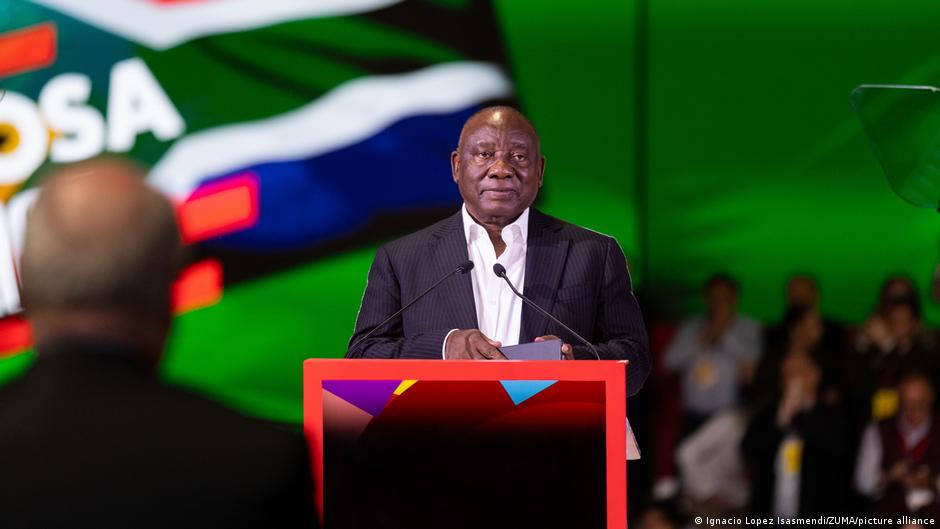
South African President Cyril Ramaphosa has firmly rejected calls for his resignation, announcing in a televised address that he will not step down as Parliament prepares to restart impeachment proceedings. The decision follows a Constitutional Court judgment on 8 May that overturned a 2022 legislative block, allowing an inquiry into the Phala Phala scandal to proceed. Ramaphosa confirmed he intends to seek a judicial review of the 2022 Section 89 panel report, which found prima facie evidence of potential constitutional violations or misconduct.
The renewed scrutiny centres on allegations of cash theft from Ramaphosa’s private wildlife farm, a scandal that first erupted in June 2022. Following the court’s ruling, Parliament announced on 11 May that it would begin establishing a new Section 89 impeachment committee. Section 89 of the Constitution outlines the process for removing a president, requiring a two-thirds majority in the National Assembly for removal, a significantly higher threshold than the simple majority needed for a no-confidence vote.
The political landscape has shifted dramatically since the first impeachment attempt in 2022, when the African National Congress (ANC) held an outright majority and defeated the motion. In the 2024 general elections, the ANC lost its majority and was forced to form a government of national unity with the opposition Democratic Alliance (DA). This coalition arrangement complicates the path to a two-thirds majority, with governance experts noting that the fragmented nature of the current parliament makes the outcome of any vote highly unpredictable.
Critics have accused Ramaphosa of acting in bad faith by delaying his legal challenge. Vuyo Zungula, the parliamentary leader for the African Transformation Movement (ATM), stated that the president misled his caucus in 2022 and failed to challenge the flawed report until now. The ATM, which took the matter to the Constitutional Court with backing from other opposition parties, argues that Ramaphosa’s delay demonstrates a lack of accountability.
Meanwhile, the DA has described the crisis as an internal ANC problem but urged Ramaphosa to expedite any review application to clarify the legal position. Nosiviwe Mapisa-Nqakula, an ANC veteran and former Speaker, clarified that the Section 89 process is designed for the president to ventilate his side of the story rather than to put him on trial. As the legal and political mechanisms engage, the president faces mounting pressure to address the allegations while navigating the complexities of a coalition government.