Rally outside Downing Street marks surge in antisemitic violence and security response
Community leaders and politicians clash over government response to Golders Green stabbings
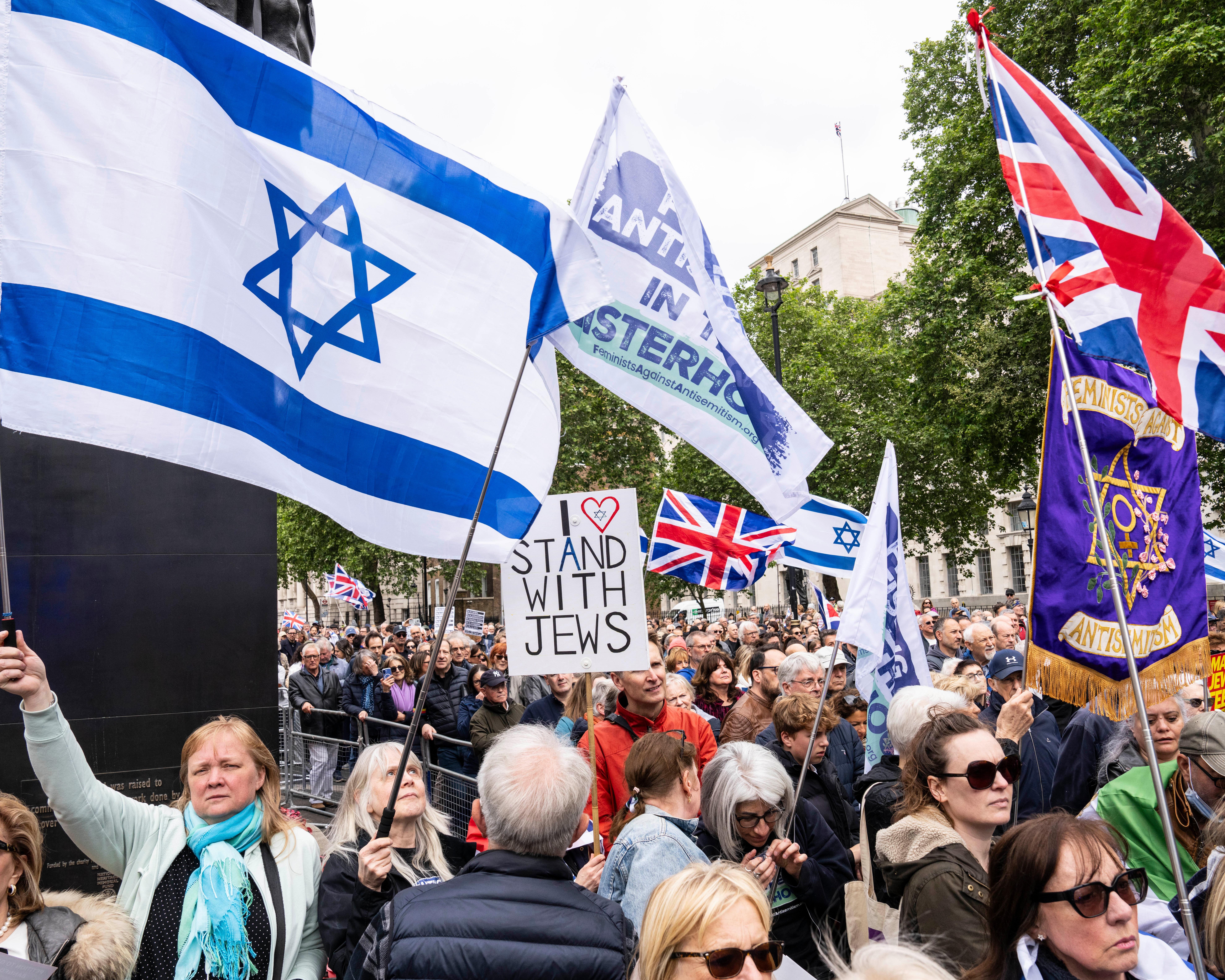
Thousands gathered outside Downing Street on Sunday for the 'Standing Strong: Extinguish Antisemitism' rally, protesting a marked increase in antisemitic hate crimes and violence. The event, organised in response to data showing antisemitic incidents in London reached their highest level in two years during April, drew a crowd featuring Israeli and Union Jack flags alongside placards demanding the Prime Minister's attendance.
The rally specifically highlighted the stabbing of two Jewish men in Golders Green on 29 April, following which suspected terrorist Essa Suleiman was charged with attempted murder. In the immediate aftermath of the attacks, the Joint Terrorism Analysis Centre raised the UK terrorism threat level to 'severe', indicating that an attack was considered highly likely.
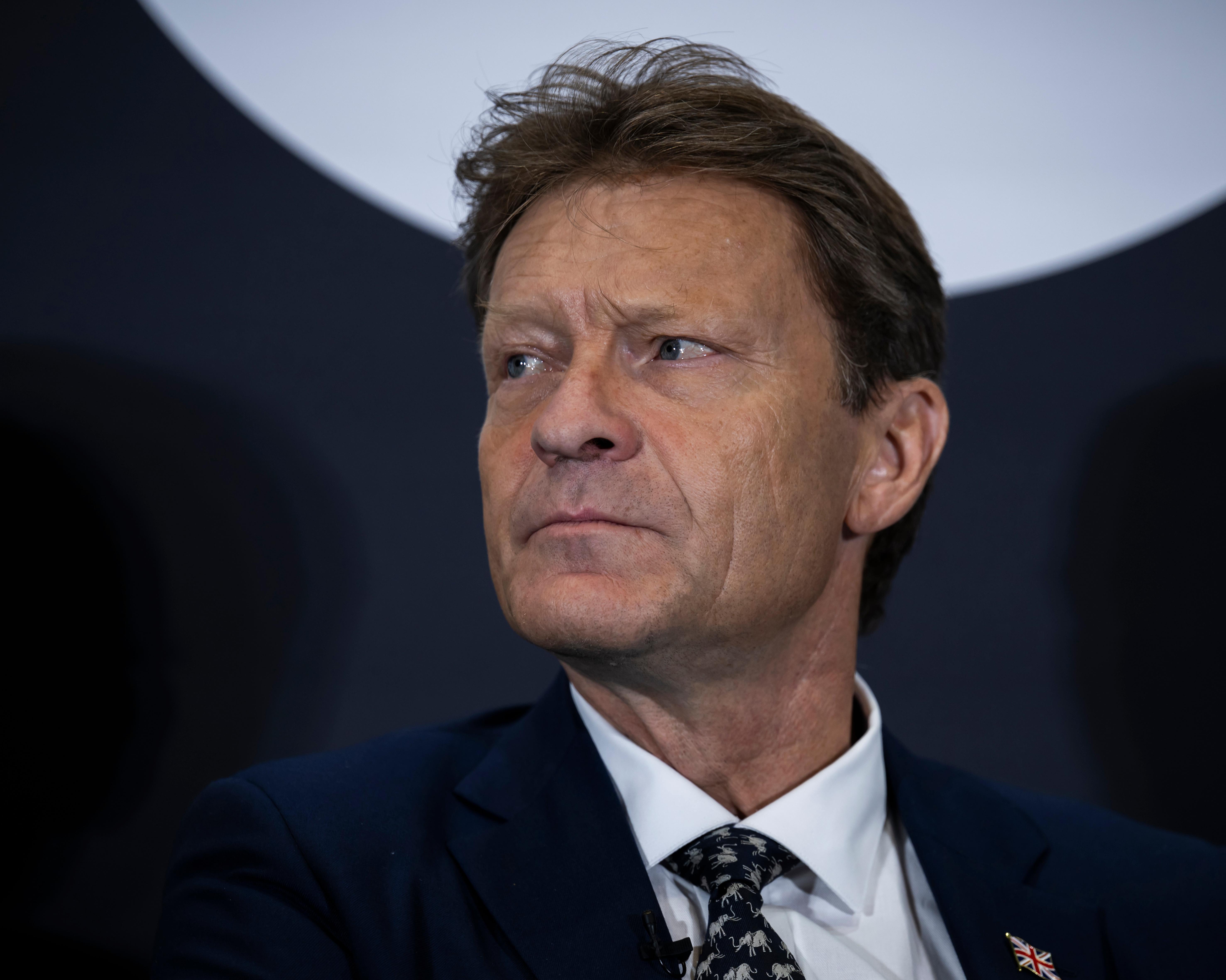
Senior politicians addressed the gathering, with reactions sharply divided along party lines. Conservative leader Kemi Badenoch and Reform UK deputy leader Richard Tice received cheers and applause, while Labour's Pat McFadden and Liberal Democrat leader Ed Davey faced boos and shouts calling for Prime Minister Keir Starmer to appear. Badenoch drew parallels between current extremism and the 7 October 2023 attacks in Israel, while Tice accused Labour of an absence of courage in allowing the scourge to flourish.
Ahead of the rally, an open letter signed by British Muslim, Christian, Sikh, Hindu, and Zoroastrian religious leaders described antisemitism as a problem for all of us to fix. This interfaith support was underscored by the presence of 91-year-old Lionel Blumenthal, who travelled from Golders Green to express anger and a sense of insecurity, noting a shift in community mood from safety to worry.
Security measures around Whitehall were strict, with protesters passing through metal detectors and encountering a visible security presence. The Metropolitan Police have committed to deploying 100 extra officers to protect Jewish communities, a move that some attendees felt was necessary given the heightened threat environment.
Disputes over political inclusion also surfaced, with a letter signed by over 2,000 people calling for the withdrawal of an invitation to Reform UK leader Nigel Farage. Organisers defended the invitation, while the Green Party leader, Zack Polanski, was notably excluded due to allegations regarding his party's handling of antisemitism. Despite these internal conflicts, the rally maintained its focus on safety, with many attendees emphasising that the event was about human rights and tolerance rather than partisan politics.