Rajoy dismisses French squad as ‘no French players’ amid racism row
Dr Leon Moosavi of the University of Liverpool argues that abuse against players like Kylian Mbappé reflects deeper political conflicts over national identity and immigration.
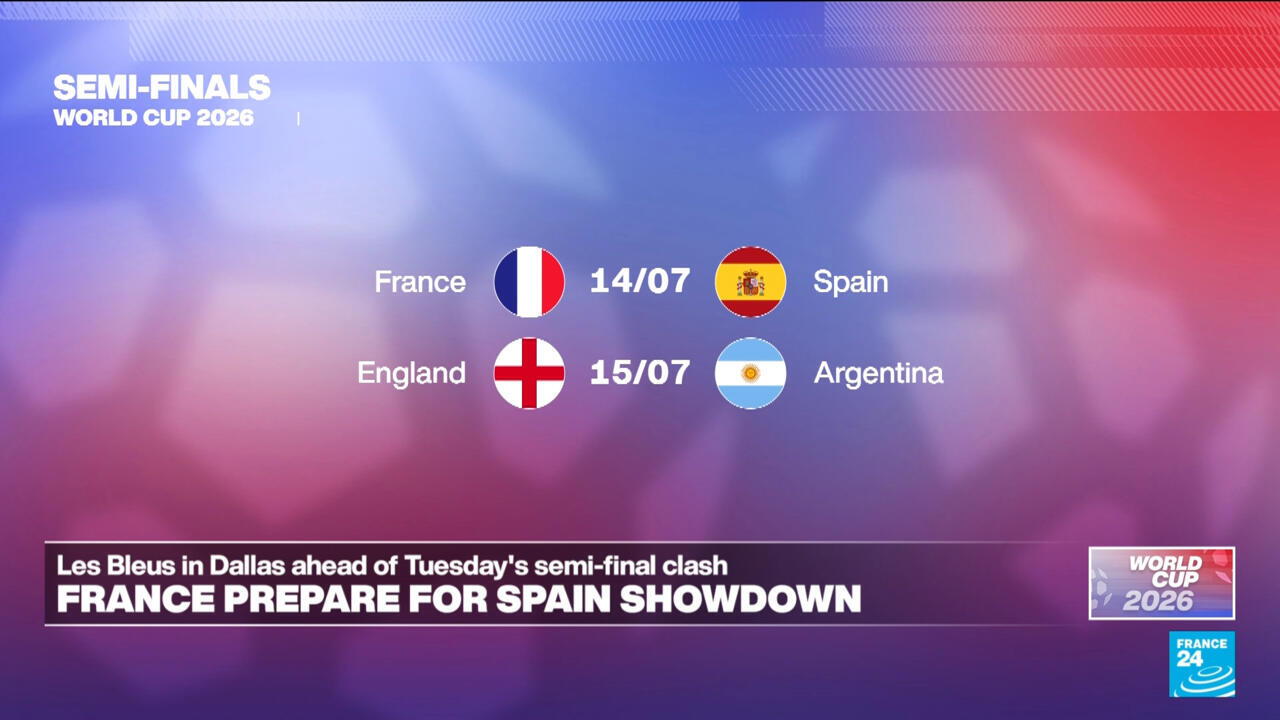
Spanish Prime Minister Mariano Rajoy has drawn attention to the composition of the French national football team, attributing their success at the 2026 World Cup to the absence of French players. The comment was reported by France 24 International on 14 July 2026, emerging against a backdrop of heightened scrutiny regarding racism directed at the French squad.
The remarks surfaced during discussions concerning the treatment of French players, particularly Kylian Mbappé. While such incidents are frequently categorised as sporting misconduct, the political nature of the Prime Minister’s statement has shifted the focus toward broader governance and social cohesion issues.
Dr Leon Moosavi, a Sociologist of race and religion and Reader in the Department of Sociology, Social Policy and Criminology at the University of Liverpool, provided context for these events. He argues that football serves as a highly visible stage for deeper political and social conflicts, rather than being an isolated domain of sport.
According to Dr Moosavi, racist abuse against players should not be viewed merely as the actions of a few extremists. Instead, it reflects wider debates over national identity, immigration, and belonging. He suggests that these attacks are linked to the normalization of extremist rhetoric and exclusionary political discourse across many Western democracies.
The comments come during the 2026 World Cup, where Lionel Messi recently broke the all-time scoring record with 17 goals during Argentina’s victory over Austria. The tournament has become a focal point for both athletic achievement and the sociological tensions Dr Moosavi describes.
Spain has previously demonstrated diplomatic engagement through its pledge of aid to Venezuela following powerful earthquakes. However, Rajoy’s latest comments on France’s team composition highlight a different dimension of international relations, one where sporting performance intersects with national identity politics.
The incident underscores the increasing analysis of football through political and sociological lenses. As debates over immigration and national belonging intensify in Western democracies, the pitch remains a primary arena where these conflicts are played out and amplified.