Quarterly civilian toll in Afghanistan-Pakistan conflict reaches highest level since 2011
Despite renewed ceasefire negotiations in China, cross-border violence between Taliban forces and the Pakistani military has intensified, with reciprocal accusations of harbelling militant groups driving the escalation.
A United Nations report released by the UN Assistance Mission in Afghanistan (UNAMA) indicates that at least 372 Afghan civilians were killed and 397 injured during cross-border violence between Taliban forces and the Pakistani military in the first three months of 2026. The quarterly casualty figures represent the highest toll recorded by the monitoring body since 2011, underscoring a significant deterioration in the security situation along the border.
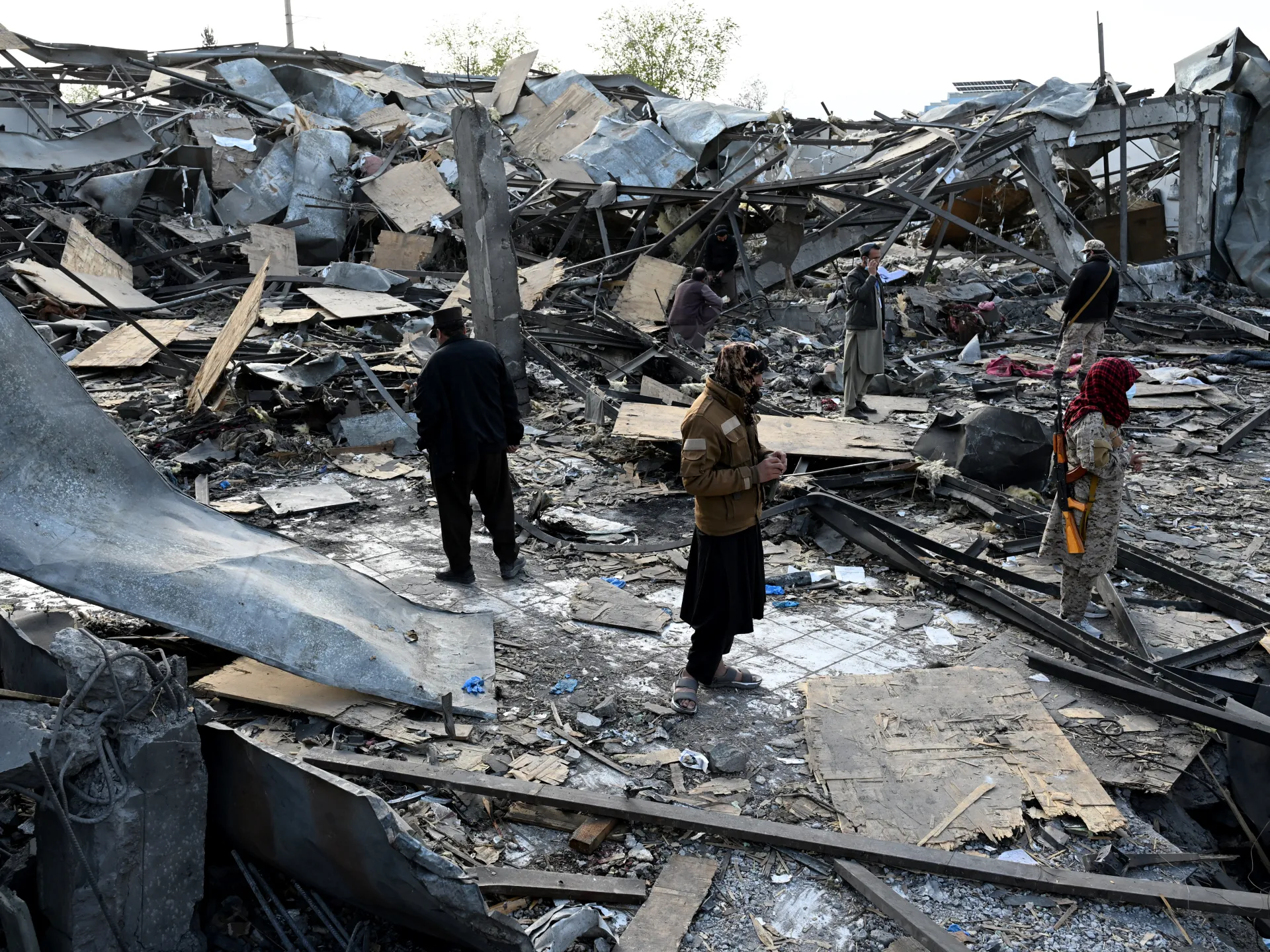
More than half of the recorded fatalities resulted from air raids conducted on 16 March on a drug rehabilitation facility in Kabul. The facility, which admitted only male patients, suffered an attack that killed at least 269 people and wounded 122. The report notes that many of the deceased were unrecognisable due to extensive burns, while Pakistan maintains its actions were directed solely against terrorist and military infrastructure.
The conflict, which Pakistan's defence minister described as having escalated into "open war" in late February, is driven by mutual accusations regarding the sheltering of militant groups. Islamabad alleges that the Taliban government harbours the Pakistan Taliban (TTP), a claim denied by Afghan officials who counter that Pakistan itself hosts hostile groups and fails to respect its sovereignty.
Demographic analysis of the casualties reveals 313 men, 46 children, and 13 women among the dead. The high proportion of male fatalities is directly attributed to the March 16 strikes on the Kabul facility. UNAMA, which based its findings on checks with three independent sources, has called on the warring parties to respect international law by refraining from targeting health facilities or firing into civilian areas.
Violence persists despite diplomatic efforts, with ceasefire talks held in China in early April leading only to a reduction in the frequency of incidents rather than a cessation. This continued instability was evidenced by an attack on 27 April at a university in Asadabad, where shelling killed seven civilians and wounded 85 others.
The report also highlighted a targeted killing of an NGO worker on 19 March during Eid al-Fitr, which occurred in violation of a previously agreed ceasefire. The female employee was shot and subsequently drowned with her three-year-old son after falling into water, marking a grim example of the ongoing disregard for protected persons and truce agreements.