Quad ministers convene in New Delhi to stabilise alliance amid US-India diplomatic rift
Experts warn that continued US inactivity or a lack of high-level engagement could render the group geopolitically insignificant, potentially benefiting China, though the alliance's informal structure provides some resilience against strategic drift.
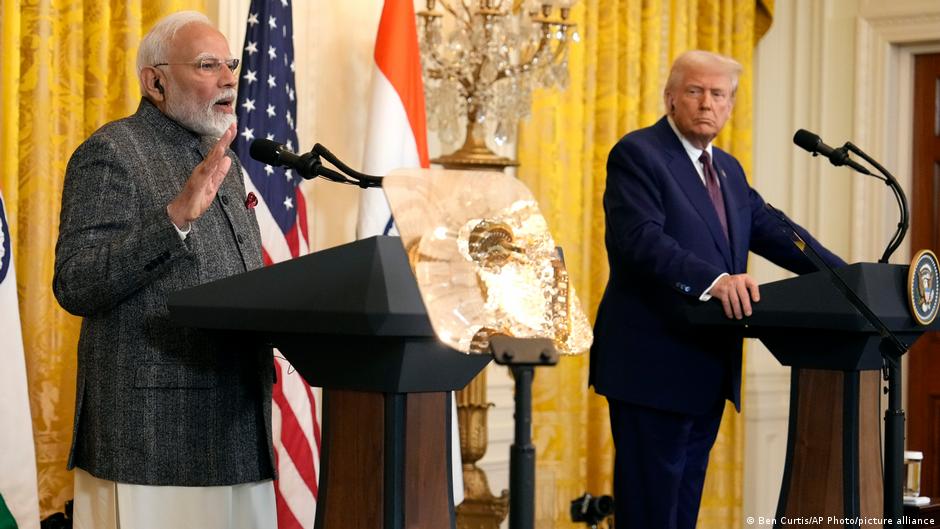
Foreign ministers from the United States, India, Japan, and Australia have convened in New Delhi for a three-day summit to discuss Indo-Pacific security, energy supplies, and emerging technologies. The meeting aims to sustain the Quadrilateral Security Dialogue (Quad) alliance despite strained relations between Washington and New Delhi caused by US tariffs and diplomatic friction under the Trump administration.
The gathering marks the first high-level engagement since the Quad’s last leaders’ summit in 2024, when then-President Joe Biden hosted counterparts in Wilmington, Delaware. India was scheduled to host the next annual leaders’ meeting in late 2025, but this did not occur due to tensions with the new Trump administration. President Trump has imposed tariffs and punitive duties on Indian imports and claimed to have mediated a settlement to border clashes between India and Pakistan in May of the previous year. He has also been critical of India’s purchase of Russian military equipment.
US Secretary of State Marco Rubio is leading the US delegation with a mandate to repair diplomatic ties with India. Experts suggest the Quad might benefit from Rubio’s presence rather than Trump’s direct involvement in India. Analysts warn that if Trump declines to attend the next leaders' meeting, likely in Australia around late 2026, the Quad could become geopolitically insignificant.
The Quad, initiated in 2007 primarily at the urging of then-Japanese Prime Minister Shinzo Abe, is not a treaty alliance with binding commitments and lacks the rigid discipline of NATO-style institutions. Its informal and flexible structure has previously allowed it to survive periods of strategic drift, such as when former Australian Prime Minister Kevin Rudd distanced Australia from the group due to concerns about harming business interests in China.
Despite these structural advantages, analysts caution that continued US inactivity or lack of leadership could render the group insignificant, benefiting China. Beijing views the Quad with suspicion, often portraying it as an attempt at containment. Potential future partners for a "Quad-plus" arrangement include South Korea, New Zealand, and Vietnam, though the immediate focus remains on stabilising the core four-nation partnership.