Qatar’s soft power strategy validated as PSG claim back-to-back Champions League titles
The club’s victory over Arsenal at the Puskas Arena in Budapest fulfils the long-term geopolitical goals of Qatari backers, cementing the team’s status as a global brand even as authorities manage significant security incidents in Paris.
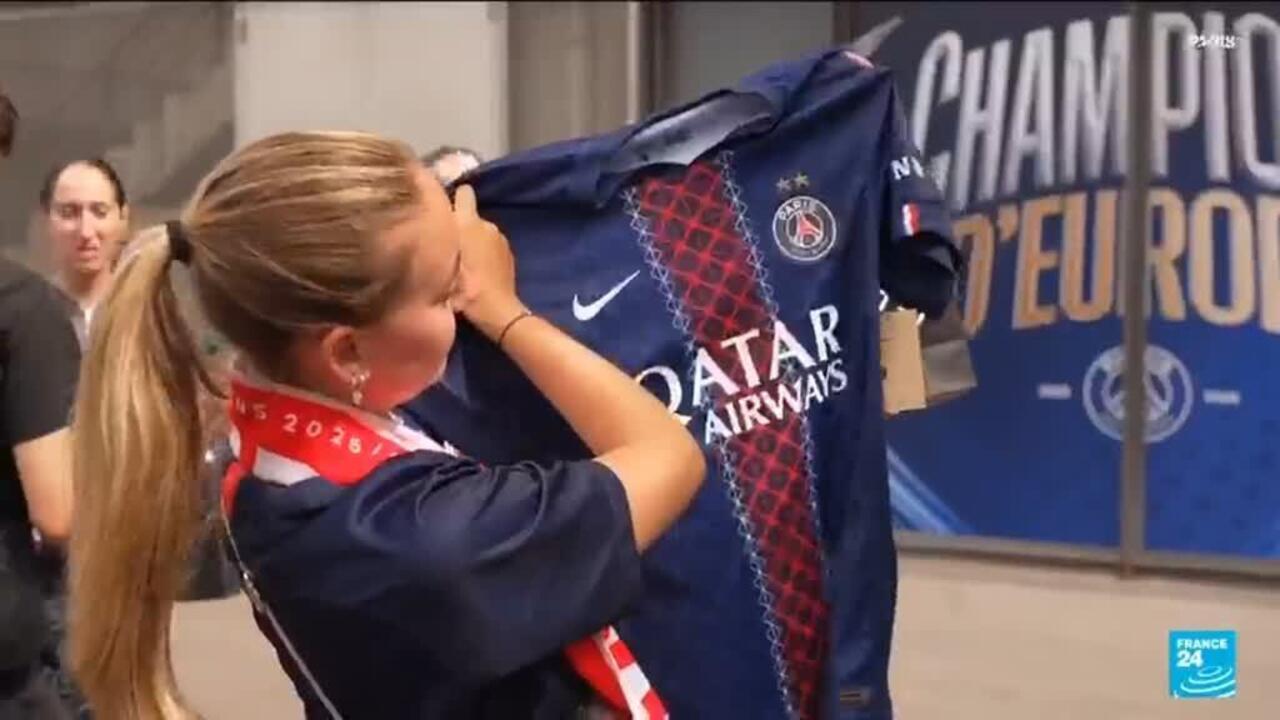
Paris Saint-Germain’s acquisition of back-to-back Champions League titles marks the successful culmination of a strategic investment initiated by Qatar’s sovereign wealth fund in 2011. The club defeated Arsenal in a penalty shootout at the Puskas Arena in Budapest to secure the championship, a result that aligns with the explicit objective set by Qatari backers to enhance the nation’s soft power and global brand recognition.
The acquisition, which involved substantial financial outlay and navigated a series of previous setbacks, has effectively established Paris Saint-Germain as a major global entity. According to reporting from France 24, the victory validates the long-term geopolitical strategy underpinning the ownership structure, transforming the club into a significant instrument of international influence despite earlier periods of instability.
The celebrations of this sporting success were accompanied by significant civil unrest in France, categorising the event within a broader security context. More than 280 arrests were made in Paris following clashes that erupted on victory night, with incidents reported on the Champs-Elysees and near the Stade de France. The disturbances have drawn the attention of high-profile political figures, including President Emmanuel Macron and Marine Le Pen, who have been associated with the post-match events.
Key players such as Gabriel Magalhaes, Nuno Mendes, and David Raya were central to the final match, but the aftermath has shifted focus toward the institutional implications of the win. The scale of the arrests and the involvement of political leaders highlight the complex intersection between major sporting events, public order, and national governance.
Looking ahead, both the club and its Qatari backers are preparing to address new challenges. While the Champions League triumphs have fulfilled the initial soft power objectives, the combination of global brand consolidation and domestic security concerns presents a complex landscape for the future management of the institution.