Qatar's Foreign Ministry Rejects Weaponisation of Strait of Hormuz
Spokesman Majed al-Ansari issues stern diplomatic rebuke on 28 April, emphasising the unacceptable nature of turning a vital oil artery into a political tool.
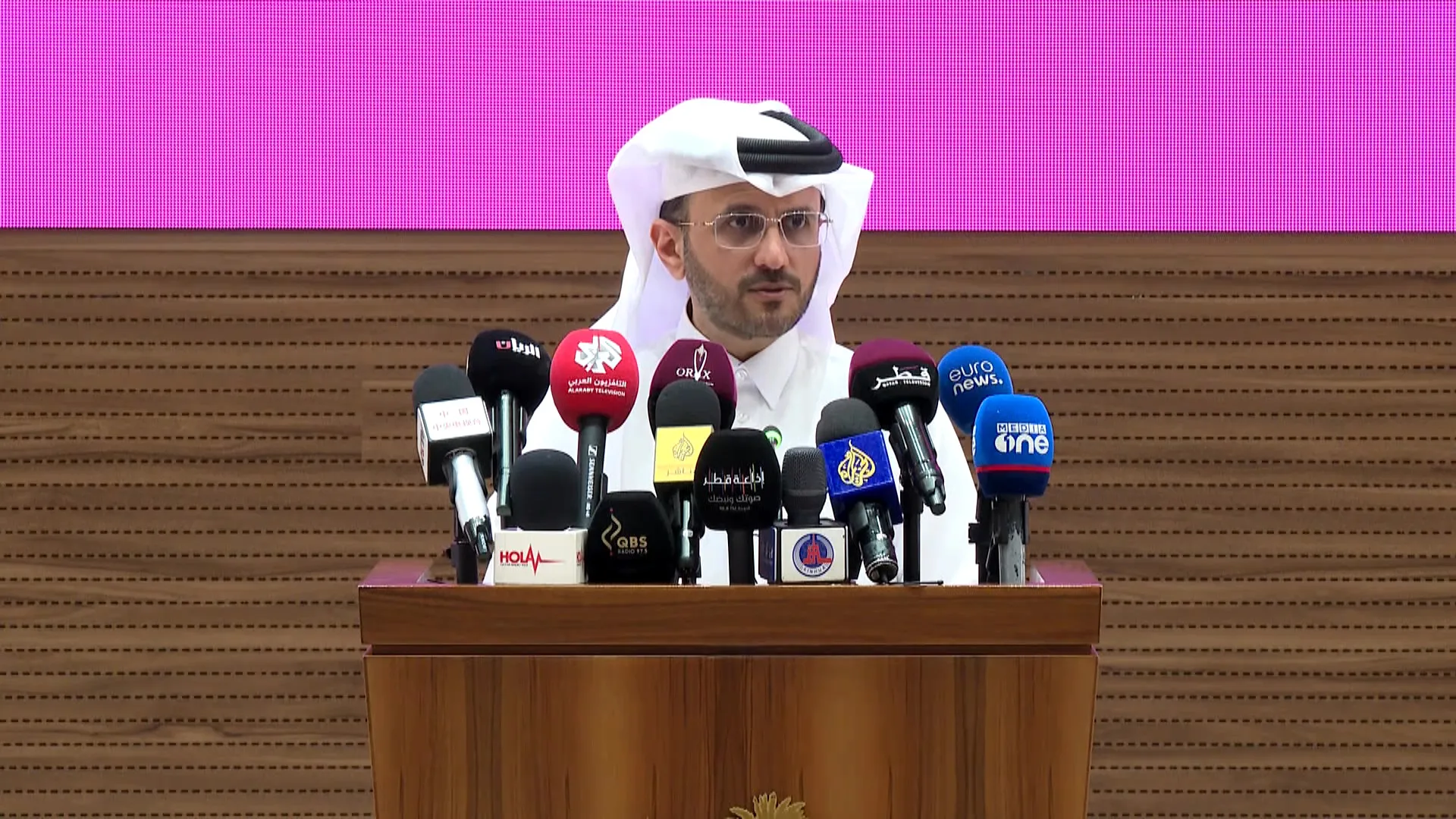
Qatar's foreign ministry has issued a formal condemnation regarding the potential utilisation of the Strait of Hormuz as a political instrument. Spokesman Majed al-Ansari stated explicitly that employing this critical maritime passage as a bargaining chip or weapon is unacceptable. The statement, released on 28 April 2026, underscores Doha's stance on maintaining the integrity of global trade routes.
The diplomatic note highlights the strategic significance of the waterway, which connects the Persian Gulf to the Gulf of Oman and serves as a conduit for a significant portion of the world's oil supply. By framing the issue in terms of governance and security rather than mere performance, the ministry signals that any disruption or coercive use of the strait threatens broader regional stability. The foreign ministry's position suggests that such actions are incompatible with established norms of international conduct.
While the statement firmly rejects the concept of weaponising the strait, it does not identify the specific nation or entity allegedly responsible for such tactics. Furthermore, the immediate trigger or specific incident prompting this diplomatic rebuke was not detailed in the available reporting. This lack of specific attribution leaves the broader geopolitical context open to interpretation, though the gravity of the warning remains clear.
The absence of named actors in the initial announcement does not diminish the severity of the warning issued by the foreign ministry. Instead, it serves as a broad policy directive aimed at preventing the escalation of tensions through maritime coercion. The ministry's focus remains on the principle that the Strait of Hormuz must remain a channel for commerce and energy flow, free from political manipulation.
This development adds to the ongoing discourse on security in the region, where the Strait of Hormuz has historically been a focal point for geopolitical concerns. The foreign ministry's intervention on this date marks a clear institutional response to perceived threats against this vital artery. As global energy markets remain dependent on this route, the ministry's warning carries significant weight in discussions surrounding regional security architecture.