Qatar signals openness to temporary Strait of Hormuz tolls for mine clearance
Sheikh Saoud bin Abdulrahman bin Hassan bin Ali Al Thani rejects permanent fees but suggests conditional negotiation for waterway reopening efforts.
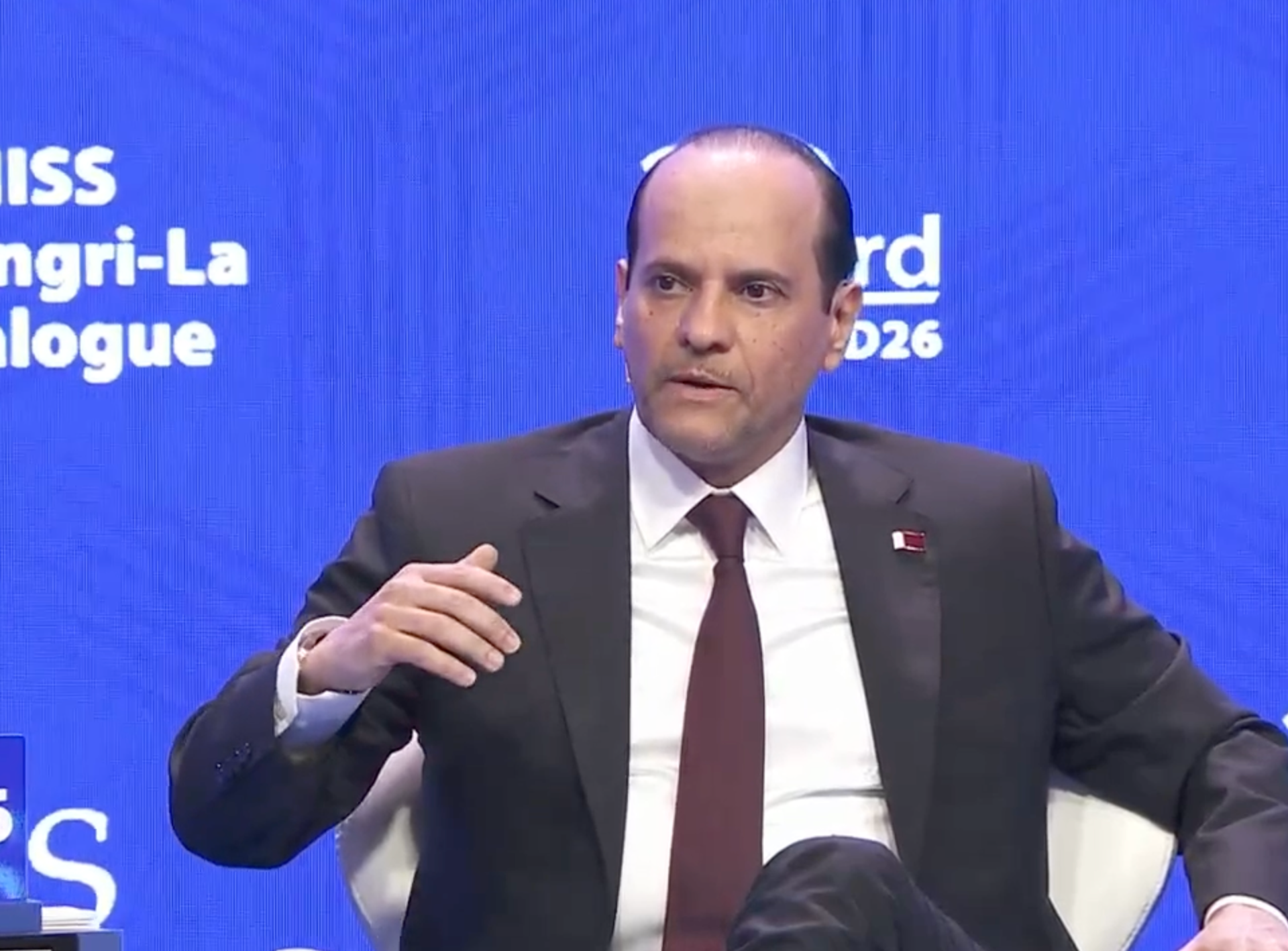
Qatar has formally opposed the establishment of a permanent toll for maritime passage through the Strait of Hormuz, while indicating that temporary fees could be subject to negotiation under specific conditions. The position was articulated by Deputy Prime Minister Sheikh Saoud bin Abdulrahman bin Hassan bin Ali Al Thani during his address at the Shangri-La Dialogue on 30 May 2026.
Sheikh Saoud clarified that Doha’s opposition is directed at fixed, long-term charges for transit through the critical waterway. However, he noted that the Qatari government would consider temporary fees negotiable if the revenue generated was strictly utilised to facilitate the reopening of the strait.
The deputy prime minister specified that such funds would be earmarked for operational purposes, such as the removal of sea mines that have obstructed navigation. This conditional stance suggests a pragmatic approach to resolving immediate security impediments without endorsing a permanent commercialisation of the chokepoint.
The statement comes against a backdrop of heightened military activity in the region. Recent actions by United States forces, described as 'self-defence' strikes on Iranian targets including missile sites and vessels, have occurred concurrently with ceasefire negotiations in Doha. These developments have added complexity to the security environment surrounding the Strait of Hormuz.
A fragile ceasefire had been in effect since 8 April 2026, but the recent military engagements have threatened to destabilise the truce. The ongoing conflict has already exerted pressure on global energy markets, with implications for crude oil pricing, underscoring the strategic importance of maintaining unimpeded access through the strait.
While the concept of temporary fees for mine clearance was presented as a negotiable possibility, the specific terms and conditions of any such arrangement remain undefined. The Qatari position highlights the delicate balance between ensuring safe passage for international shipping and addressing the immediate security threats posed by unexploded ordnance in the waterway.