Qantas posts four-year profit low as Iran conflict drives fuel costs higher
The airline’s pre-tax underlying profit fell to $2.06bn, prompting plans to retire A380s early and expand Jetstar’s ancillary fees.
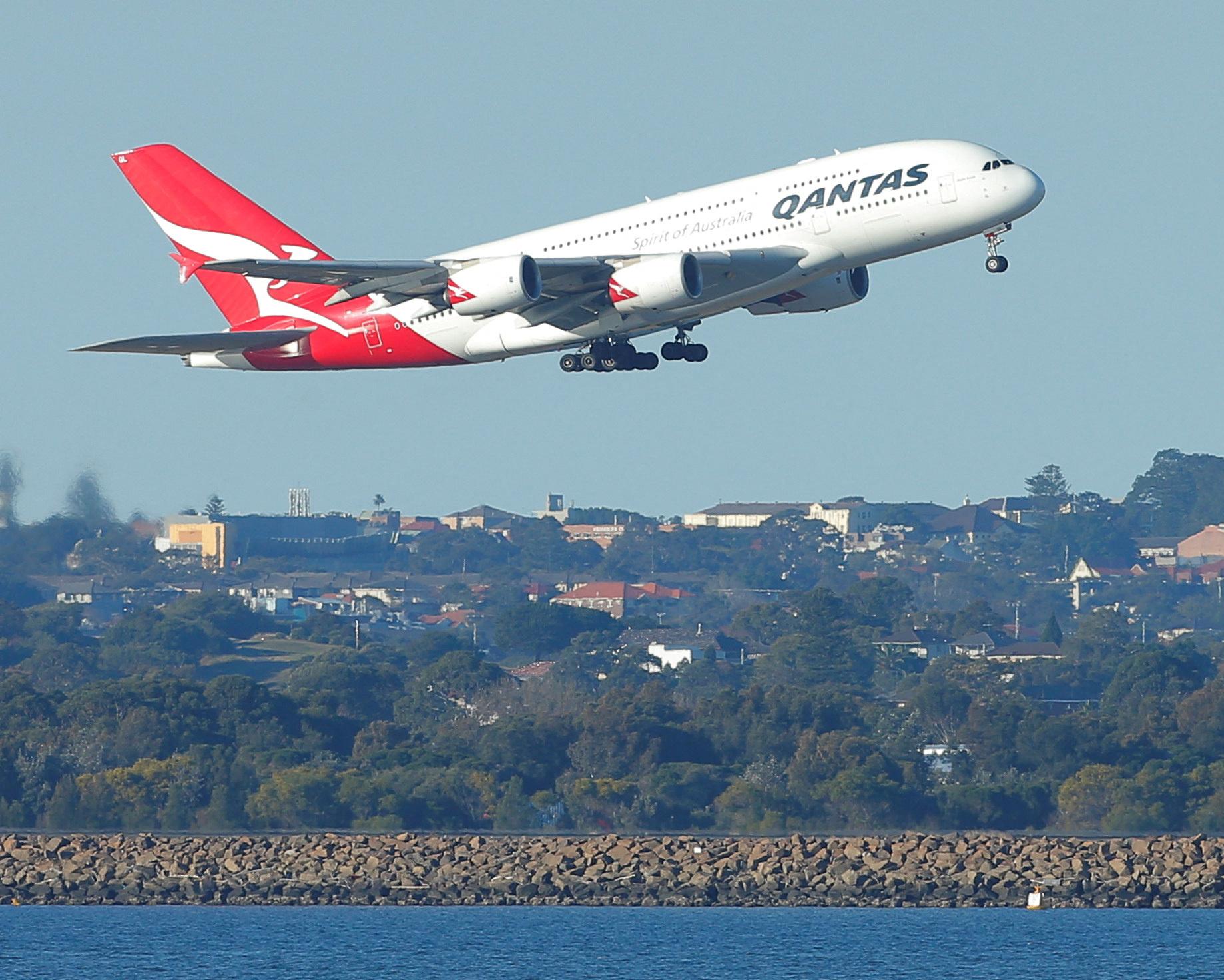
Qantas has reported its lowest pre-tax underlying profit in four years, recording $2.06bn for the financial year ending 30 June. The decline was primarily attributed to higher fuel costs linked to the ongoing Iran conflict, which added an extra $610m to the airline’s expenses across its network. Despite the dip in profitability, Qantas’s overall revenue increased by 7 per cent to $25.5bn over the 12-month period.
Chief Executive Vanessa Hudson indicated that the airline would continue to drive revenue and maximise earnings, suggesting that further fare increases are possible. Hudson told analysts that passenger demand remained strong despite cost-of-living pressures, stating, “We are not saying that everything that can be done has been done, because we’re going to continue to drive where we see demand.”
To offset rising operational costs, Qantas announced it will retire its A380 fleet in 2028, four years earlier than originally planned. The decision is driven by rising maintenance costs and operational disruptions, with the older aircraft disproportionately affected by higher fuel prices. The airline expects to purchase up to 20 new aircraft from 2030, with Airbus A350-1000s and Boeing 787 Dreamliners currently under consideration for the fleet renewal program.
At its low-cost subsidiary, Jetstar, executives are expanding the range of add-on fees to keep advertised ticket prices lower. Jetstar Chief Executive Stephanie Tully confirmed a “pipeline of ancillary initiatives” to split services from the base fare, following the recent introduction of carry-on luggage fees. Non-seat fees, which include check-in baggage, preferred seats, and meals, generated more than $1bn of Jetstar’s $6bn annual revenue, a figure Tully expects to rise significantly.
The median Jetstar fare was close to $150 in the year to June, up from nearly $100 in 2022. Qantas noted that its loyalty scheme contributed to a 12 per cent increase in underlying earnings, reaching $625m, with Uber cited as the fastest-growing source of points. The company remains confident that its points business will meet targets of $800m in earnings by 2030, despite upcoming changes to bank credit card rewards schemes.
Qantas shares rose more than 4 per cent in early afternoon trading on Thursday, as investors weighed the impact of the fuel cost headwinds against the airline’s strategy to maximise revenue through fare adjustments and fleet optimisation.