Pyongyang wary of over-reliance on Beijing and Moscow, expert says
Victor Cha tells France 24 that Kim Jong-un is carefully balancing ties with China and Russia to avoid becoming too entangled with either nation.
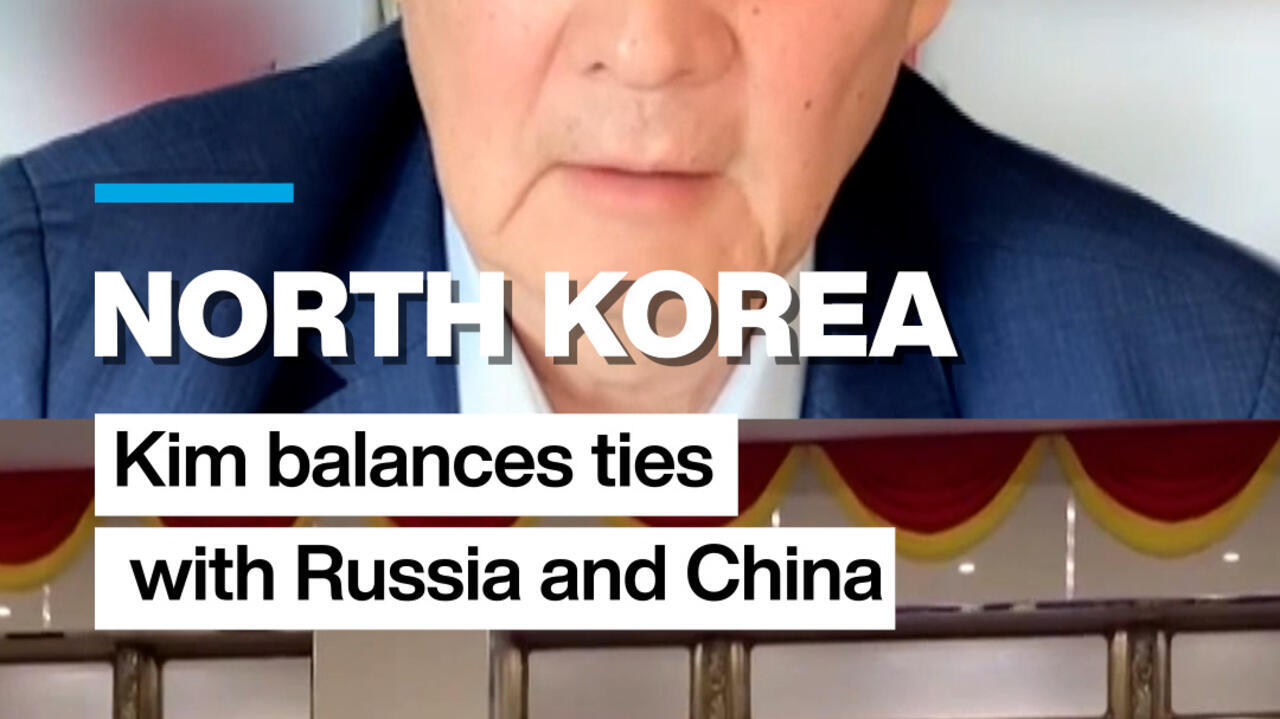
North Korean leader Kim Jong-un is actively managing diplomatic relations with both China and Russia, as the two powers compete for influence in Pyongyang. The strategic balancing act comes amid growing geopolitical rivalry between Beijing and Moscow, with North Korea seeking to maintain its autonomy amidst competing external pressures.
According to analysis provided by Victor Cha, Pyongyang remains cautious about becoming overly dependent on either of its powerful neighbours. Cha, speaking on France 24’s #F24Debate, noted that the North Korean leadership is wary of becoming too entangled with either power, suggesting a deliberate effort to avoid exclusive alignment with either Beijing or Moscow.
The commentary highlights the complex diplomatic landscape in which North Korea operates. As China and Russia vie for influence in the region, Kim Jong-un appears to be leveraging these competing interests to preserve the regime’s strategic independence. This approach allows Pyongyang to engage with both nations without ceding significant policy control to either side.
France 24 International reported on these developments in a recent segment, citing Cha’s assessment of North Korea’s foreign policy posture. The network’s coverage underscores the delicate nature of North Korea’s diplomatic positioning, where maintaining a balance between major powers is seen as crucial for national security and political stability.
While the specific details of recent diplomatic engagements were not elaborated upon in the available summary, the overarching theme of cautious engagement remains clear. North Korea’s strategy reflects a broader trend of small states navigating great power competition by avoiding deep entanglement with any single dominant actor.
The situation continues to evolve as both China and Russia seek to expand their geopolitical footprint in East Asia. For North Korea, the challenge lies in maximising benefits from both relationships while minimising the risk of being drawn into conflicts or dependencies that could compromise its sovereignty.
Cha’s analysis suggests that Pyongyang’s primary objective is to preserve its strategic autonomy. By balancing ties with both Beijing and Moscow, Kim Jong-un aims to ensure that North Korea retains flexibility in its foreign policy decisions, rather than becoming a subordinate partner to either power.