Putin seeks energy deals in Beijing as Xi delays Power of Siberia 2 approval
Xi Jinping remains hesitant on the gas pipeline project, while Moscow faces increasing drone attacks and conducts nuclear drills with Belarus.
Russian President Vladimir Putin has arrived in Beijing for a state visit, positioning himself to secure tangible business deals shortly after the departure of US President Donald Trump from the same city. The diplomatic engagement underscores Moscow’s growing economic reliance on China since the onset of the war in Ukraine in 2022, with the Kremlin seeking to demonstrate that it can deliver concrete commercial outcomes unlike its US counterpart.
Central to the visit is the Power of Siberia 2 gas pipeline, a project that would effectively double Russia’s energy exports to China. However, reports indicate that Chinese President Xi Jinping is not in a hurry to grant final approval for the infrastructure. This hesitation presents a significant challenge for Moscow, which is navigating a global energy crisis and requires expanded markets to offset the economic pressures of its ongoing military campaign.
The timing of Putin’s visit coincides with a deteriorating security situation within Russia itself. Enemy drones are reportedly striking key infrastructure further inside Russian territory than previously observed, signalling an escalation in domestic vulnerabilities. These attacks occur as the Ukrainian military campaign appears to have stalled, complicating the strategic calculus for the Kremlin as it attempts to project strength abroad.
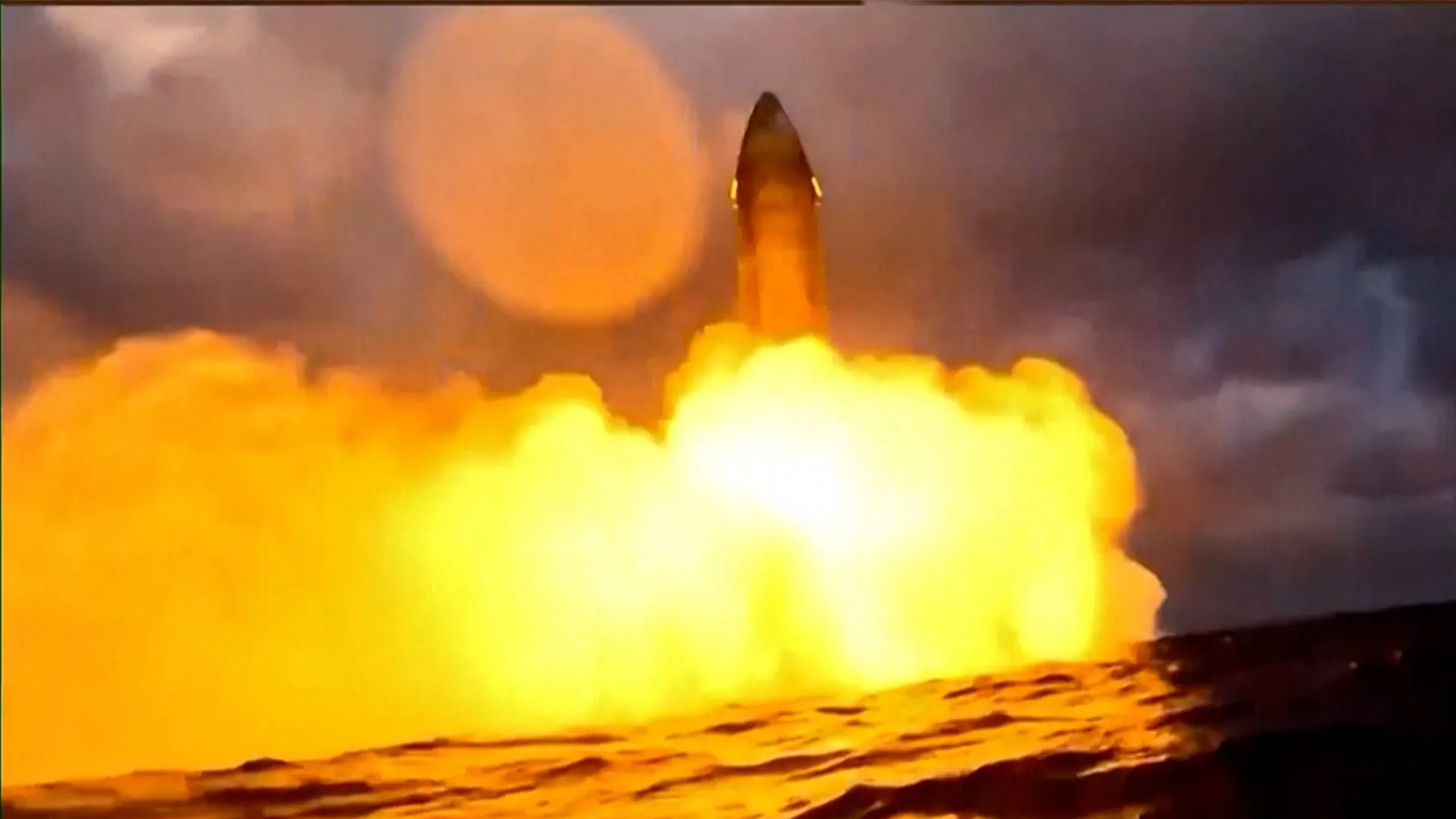
In response to these pressures, the Kremlin has publicly flexed its military capabilities through recent joint exercises with Belarus. The three-day drills included specific practises for the deployment of nuclear weapons, a move intended to reinforce strategic deterrence. This display of force contrasts with the diplomatic efforts in Beijing, where the focus remains on stabilising energy revenues and political support.
As summer approaches, the momentum of the war in Europe remains ambiguous. Putin’s presence in the Chinese capital highlights the complex interplay between diplomatic necessity and military reality for Russia. The outcome of the negotiations regarding the gas pipeline will likely serve as a key indicator of how much leverage Beijing retains in its relationship with Moscow during this critical phase of the conflict.