Putin rejects Zelenskyy peace talks, insists military operations continue
Ukrainian President Volodymyr Zelenskyy accuses Russia of choosing war after Vladimir Putin refuses in-person negotiations, citing strategic objectives and territorial concessions as prerequisites for any future deal.
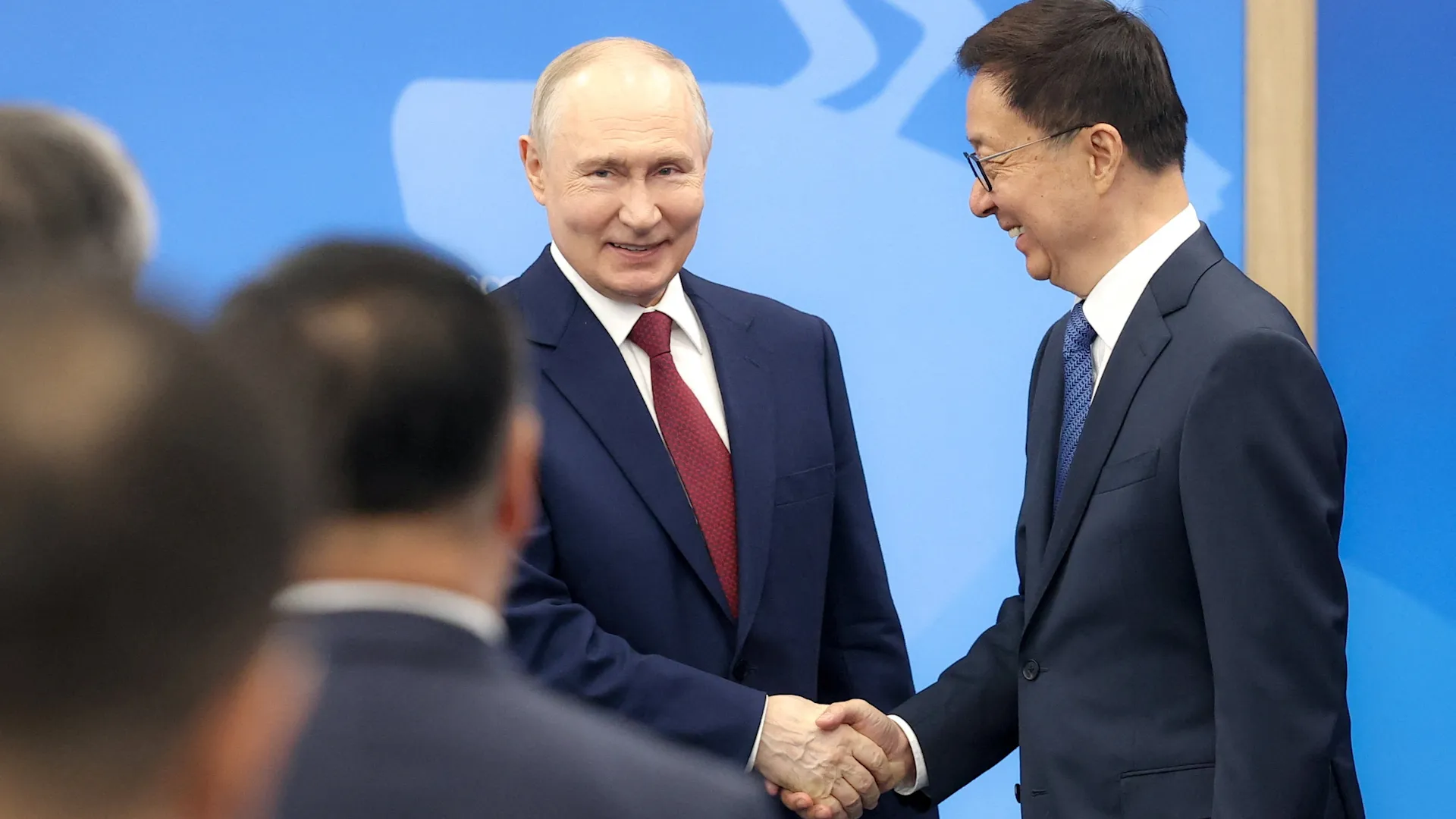
Russian President Vladimir Putin has formally rejected an offer for in-person peace talks with Ukrainian President Volodymyr Zelenskyy, dismissing the diplomatic overture as “rude” and stating there was “no point” in negotiations. The refusal marks a significant escalation in the diplomatic rhetoric between the two leaders as the conflict enters its fifth year, with mediation efforts further complicated by a shifting geopolitical landscape.
In response to the rejection, President Zelenskyy took to Telegram to accuse Russia of “choosing war again,” expressing deep disappointment in the Kremlin’s stance. His message adopted a defiant tone, referencing recent Ukrainian drone strikes on Russian territory, specifically a strike in St Petersburg which he described as “paying a visit.” Zelenskyy also suggested that Putin’s 26 years in power were beginning to take a toll on his decision-making.
President Putin insisted that military operations will continue until Russia achieves its stated strategic objectives. He argued that a ceasefire would merely allow Ukraine to regroup, asserting that it only makes sense for the Ukrainian side to halt the advance of Russian armed forces before any high-level talks can proceed. The Kremlin leader indicated he is open to meeting in a third country, but only when there is a concrete deal ready to be signed.
According to Putin, experts must first develop agreements regarding territorial concessions before any summit can take place. This stance follows a previous offer from the Kremlin for Zelenskyy to travel to Moscow for talks, an invitation the Ukrainian leader had already rejected. The current diplomatic deadlock highlights the entrenched positions on both sides, with no immediate pathway to resolution visible.
The diplomatic friction occurs against a backdrop of heightened regional tensions, including a recent incident where a Russian drone crashed into a residential building in Galati, Romania. The strike injured two people and caused a fire, prompting condemnation from Romania’s foreign ministry and raising concerns about the broader implications for NATO and Russia. Reporting from the region by Al Jazeera’s Yulia Shapovalova underscores the complexity of the stalemate, as the war remains stalled over territorial disputes.