Putin declares Sarmat missile ready for combat as nuclear arms control vacuum widens
The successful test of the nuclear-capable Sarmat follows the February expiry of the New START treaty, leaving Washington and Moscow without formal constraints on their arsenals for the first time in over 50 years.
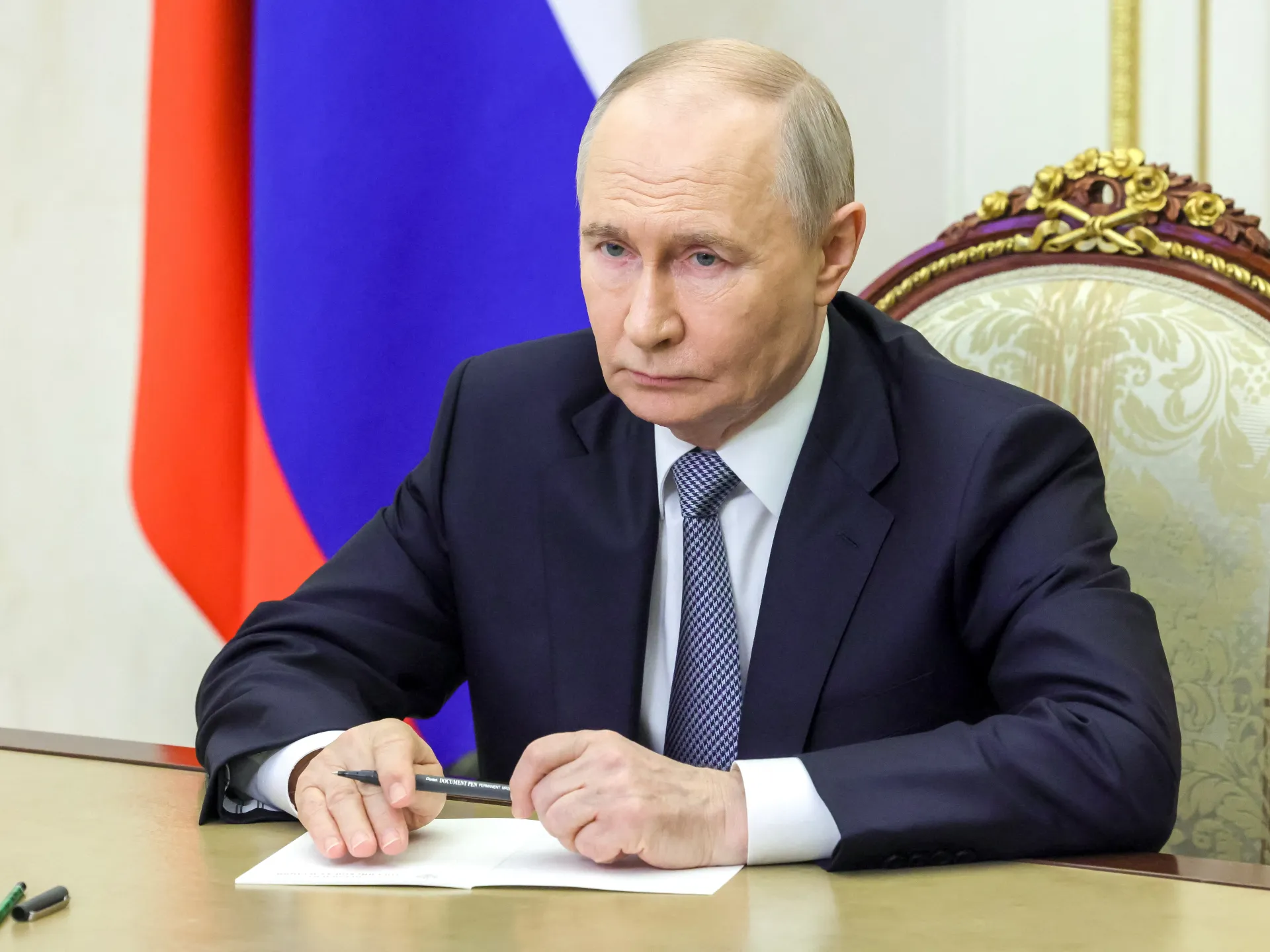
Russian President Vladimir Putin has declared the successful test launch of the Sarmat intercontinental ballistic missile, describing the nuclear-capable weapon as the most powerful in the world. State television broadcast footage of Sergei Karakayev, commander of Russia’s strategic missile forces, confirming the launch to Putin on Tuesday. The President stated the missile is scheduled to enter combat service by the end of the year, marking a significant milestone in Moscow’s efforts to modernise its nuclear triad.
Putin claimed the Sarmat possesses a warhead yield more than four times greater than any Western equivalent. He noted that the missile’s capability for suborbital flight grants it a range exceeding 35,000km, allowing it to bypass traditional flight paths. According to the President, this trajectory design enables the weapon to penetrate all existing and future anti-missile defence systems.
The development of the Sarmat, designated “Satan II” in the West, began in 2011. Before this test, the missile had only one known successful launch and suffered a major explosion during an abortive test in 2024. It is intended to replace approximately 40 Soviet-built Voyevoda missiles. Putin asserted that while the Sarmat matches the power of its predecessor, it offers superior precision.
This announcement comes shortly after the expiration of the New START treaty in February, which had capped strategic warheads and delivery systems between the United States and Russia. The treaty’s lapse leaves the two nations without formal nuclear arms control constraints for the first time in more than half a century. Although Moscow and Washington agreed to resume high-level military dialogue, there are no signs of progress toward a successor agreement, and both sides have accused each other of non-compliance with the previous treaty’s provisions.
In addition to the Sarmat, Putin announced that Russia is in the final stages of developing the nuclear-armed Poseidon underwater drone and the Burevestnik cruise missile, which is powered by miniature atomic reactors. The President cited US missile defence systems as a strategic threat, arguing that these new weapons are necessary to maintain strategic balance and parity against a potential first strike capability by Washington.