Putin arrives in Beijing to reaffirm strategic partnership with Xi following Trump visit
Vladimir Putin has begun talks with Xi Jinping in the Chinese capital, aiming to solidify bilateral cooperation and energy ties in the wake of President Donald Trump’s recent summit in Beijing.
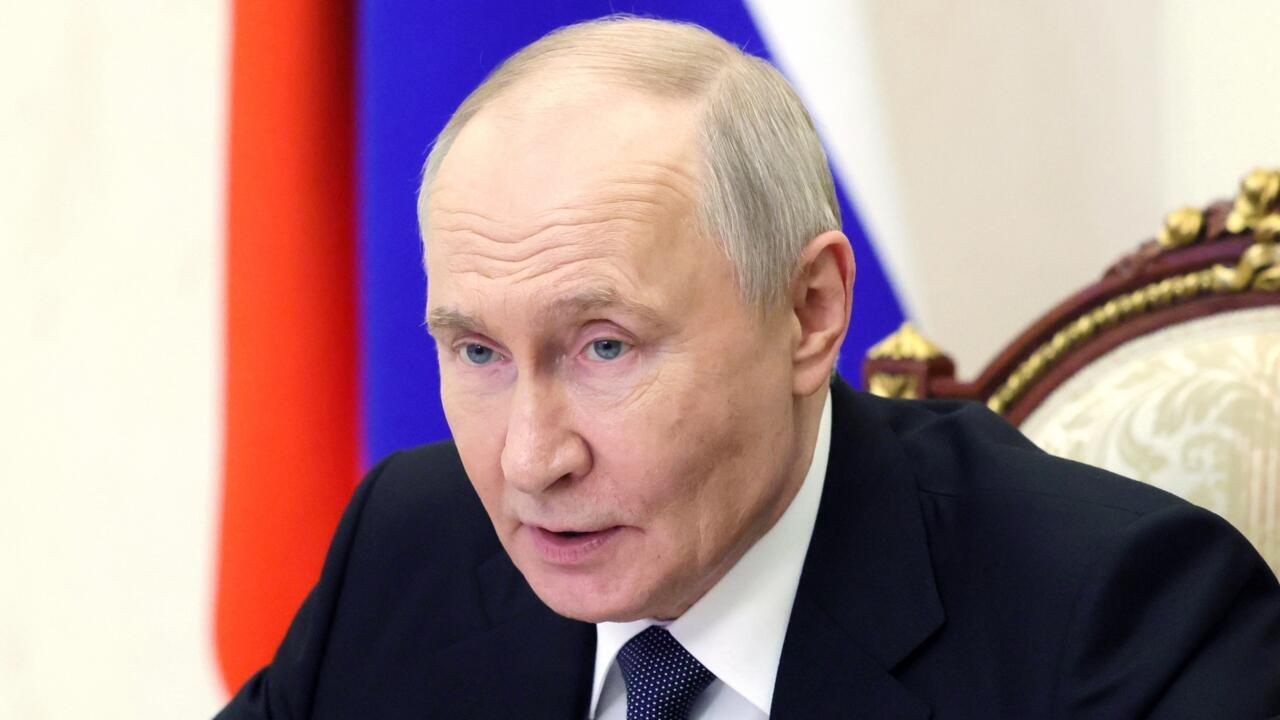
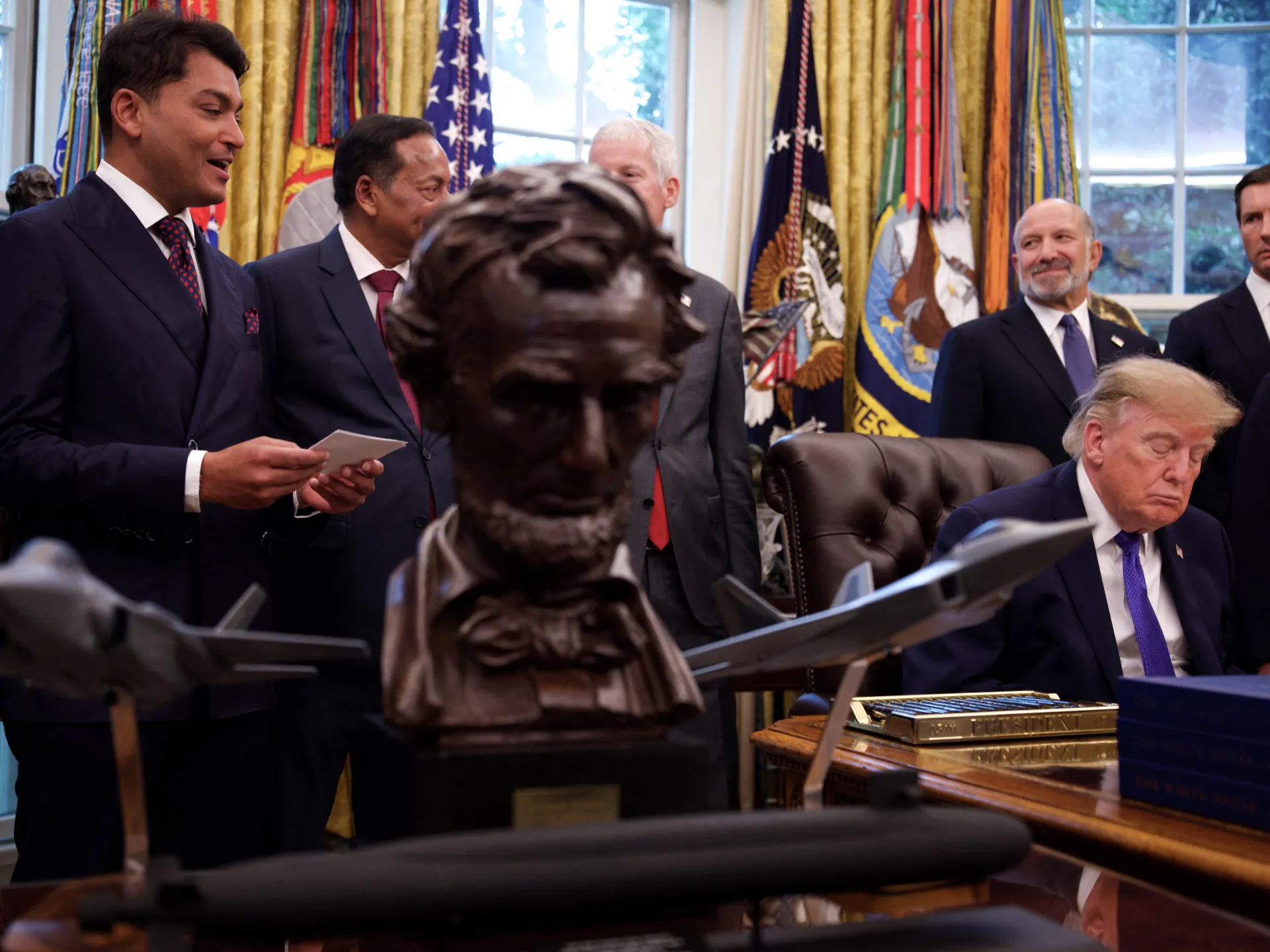
Russian President Vladimir Putin arrived in Beijing on Tuesday for high-level talks with his Chinese counterpart, Xi Jinping, in a move designed to underscore the durability of their strategic partnership. The visit follows a two-day summit in the Chinese capital between Xi and US President Donald Trump, which yielded few concrete agreements on contentious issues such as trade, artificial intelligence, Taiwan, and the conflict in Iran.
According to a Kremlin statement, the leaders intend to discuss measures to "further strengthen" the bilateral relationship and exchange views on key international and regional issues. The discussions are expected to conclude with the signing of a joint declaration. Setting a diplomatic tone ahead of the talks, the two leaders exchanged congratulatory letters on Sunday to mark the 30th anniversary of their countries' strategic partnership.
Moscow remains diplomatically isolated on the global stage and is heavily dependent on Beijing for economic survival, with China now the primary buyer of sanctioned Russian oil. This reliance is compounded by Ukraine’s ongoing campaign targeting Russian energy infrastructure, prompting Moscow to look eastward. Expanded energy ties are anticipated to be a central theme, with Beijing seeking to secure more Russian energy supplies while Moscow aims to offset losses from Western sanctions and military strikes.
The timing of Putin’s arrival places Beijing in a complex diplomatic position. While Xi welcomed Trump with limited ceremonial pomp, he previously greeted Putin with open arms, referring to him as an "old friend" during a visit in September 2025. Analysts suggest that the lack of a breakthrough in the Xi-Trump meeting likely reassures Moscow that no understanding was struck that would materially undercut Russian interests. Patricia Kim of the Brookings Institution noted that both sides view their ties as "structurally stronger and more stable" than those with the United States.
Beyond energy, the leaders are expected to address the geopolitical landscape, including the war in Ukraine and the conflict in Iran. While China has called for peace talks in Ukraine, it has not condemned Russia’s actions, presenting itself as a neutral party. Meanwhile, perspectives on the Middle East may diverge; China prioritises the freedom of major waterways for its economy, whereas Russia has benefited economically from the relaxation of sanctions due to the conflict. Russian Foreign Minister Sergei Lavrov has previously stated that Russia could compensate for China’s energy shortages as global supplies are disrupted.