Pulisic withdrawn from World Cup opener in precautionary measure
Head coach Mauricio Pochettino confirms substitution was risk-averse strategy as United States secure 4-1 victory over Paraguay in Group D opener.
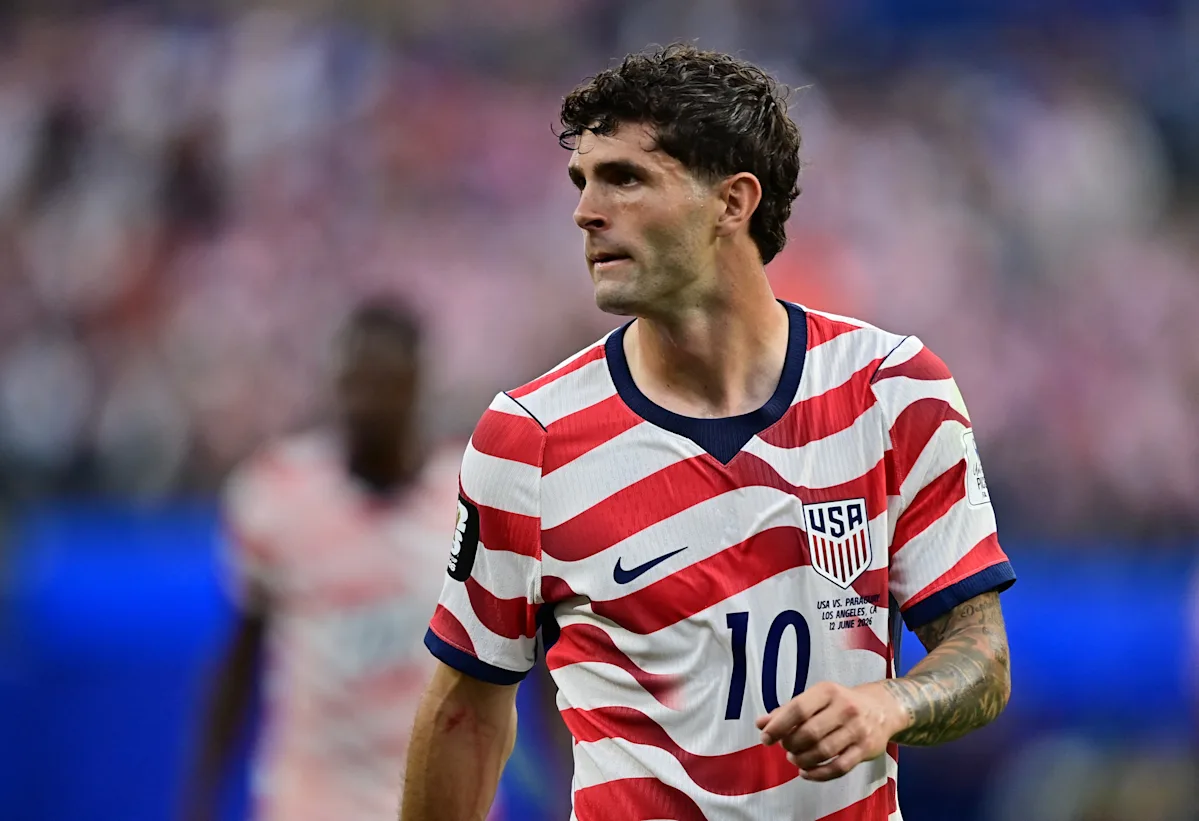
United States captain Christian Pulisic was substituted at halftime during the opening match of the 2026 World Cup, ending his participation in the 4-1 victory over Paraguay. The decision was made precautionarily after the midfielder sustained a calf knock in the first half, a move confirmed by head coach Mauricio Pochettino to mitigate further injury risk.
Pulisic, who completed the joint-most dribbles and created the joint-most chances in the opening period, described the incident in a post-match interview with FOX Sports’ Doug McIntyre. He stated he suffered a kick during the first half and is taking immediate precautions, though he expressed hope that the issue would resolve before the next fixture.
Pochettino clarified that the substitution was driven by the player’s physical response to the impact. He noted that Pulisic began to feel tightness in the calf, which made it difficult for him to perform, prompting the coaching staff to withdraw him to avoid compounding the injury. The coach expressed confidence that the captain would be fit for the upcoming Group D match against Australia.
The United States dominated the early stages of the contest at the Los Angeles Stadium, controlling 75 per cent of possession. The Americans took an early lead through a Damian Bobadilla own goal in the seventh minute, followed by two goals from Folarin Balogun before the interval. Giovanni Reyna added a stoppage-time finish to seal the result, while Paraguay scored a late consolation through Mauricio.
Pulisic will have at least six days to recover before the next match. If he is unavailable, Weston McKennie is expected to assume greater playmaking responsibilities, with Giovanni Reyna or Sebastian Berhalter potentially starting in his place. The match, attended by 70,492 spectators, marked the first World Cup game hosted on US soil since 1994.