ProPublica investigation finds 79 children harmed by federal tear gas in immigration crackdown
An investigation by ProPublica has identified 79 children injured by airborne irritants deployed by federal immigration officers since 2025, highlighting significant gaps in federal oversight and ongoing legal disputes over the use of less-lethal weapons.
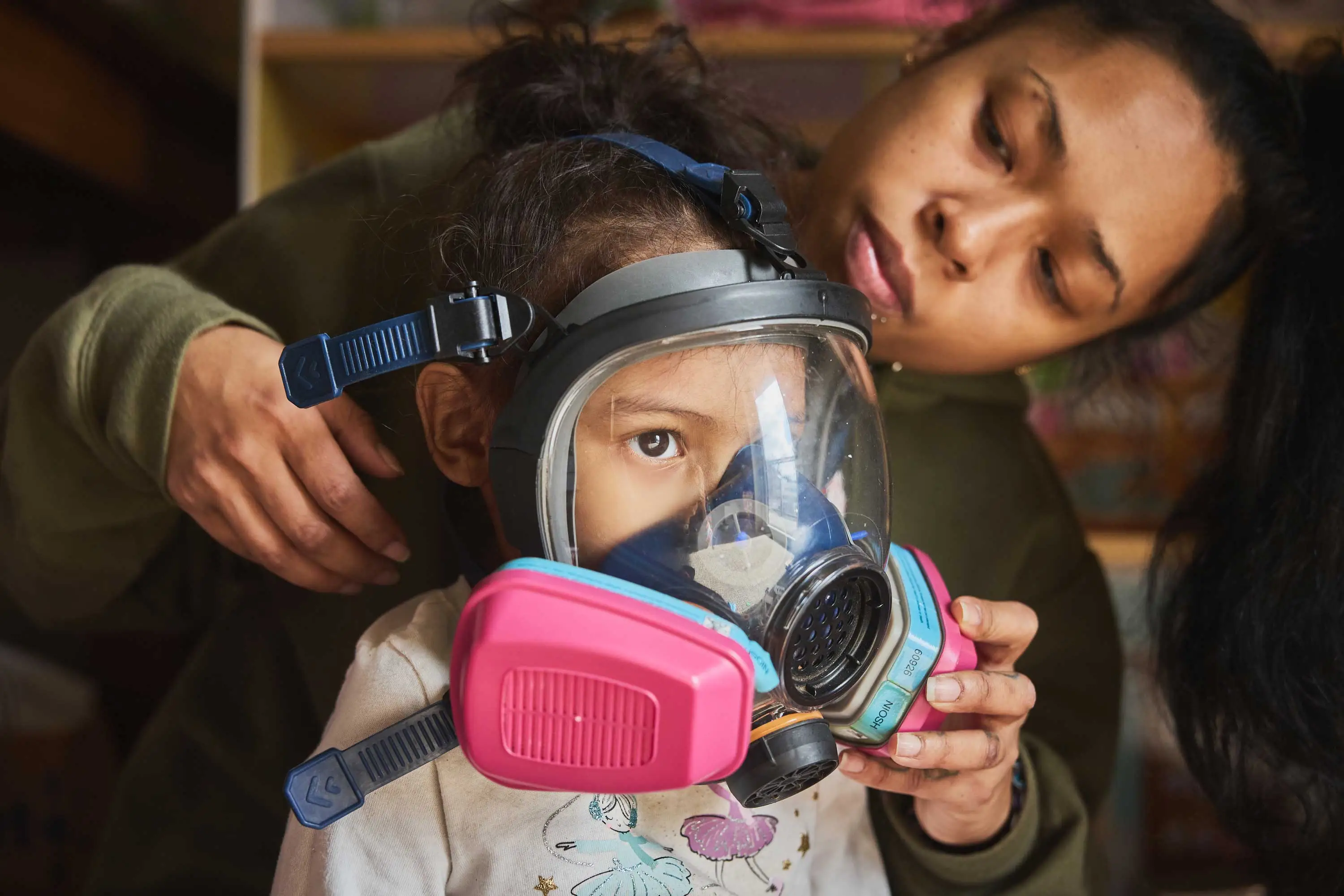
A recent investigation by ProPublica has identified 79 children across the United States who were harmed by tear gas and pepper spray deployed by federal immigration officers during the Trump administration’s immigration crackdown. The tally, which is nearly four times the number cited in a recent congressional report, is believed to be a vast undercount, as the publication verified incidents by interviewing more than 40 victims or witnesses and reviewing body camera footage, lawsuits, and news accounts.
The Department of Homeland Security has defended its agents’ use of these chemicals, claiming the blame lies with agitators in crowds and parents who placed their children in harm’s way. However, the investigation details how children were exposed in homes, cars, and near schools, with chemicals travelling significant distances. In Minneapolis, tear gas was found to have travelled at least a quarter-mile before seeping into a McDonald’s, while in Broadview, Illinois, a family living a block and a half from an ICE facility reported their children suffering from coughing and throat burns when the gas drifted into their home.
Medical experts note that children are particularly vulnerable due to faster breathing rates, narrower airways, and their proximity to the ground where gas tends to pool. Tear gas, which exists as a fine powder, triggers nerve endings to feel as though they are on fire, causing lung and throat inflammation, vomiting, rashes, and coughs that can last for weeks. Pepper spray causes similar effects. Because these weapons were developed to debilitate adults, the long-term health impacts on children who have been exposed multiple times remain unknown.
Legal challenges to the use of these chemicals have yielded mixed results. In November 2025, a federal judge in Illinois ruled that the deployment of these chemicals without justification or warning constituted illegal excessive force, but that injunction was limited to specific areas in the complaint. Similarly, a judge in Portland, Oregon, issued a temporary restraining order forbidding chemical munitions unless targeting an imminent threat of physical harm. However, appellate courts have subsequently vacated the Illinois ruling and multiple rulings from judges in Portland seeking to enjoin the use of these weapons.
Policy standards for the use of force vary significantly between federal agencies and local jurisdictions. While the Department of Homeland Security requires tactics that minimize risk, Customs and Border Protection advises officers not to use chemical munitions against small children, and Immigration and Customs Enforcement considers bystanders in use-of-force determinations. In contrast, cities like Portland and Minneapolis have stricter local policies regarding proximity to homes and authorisation requirements. Experts have called for uniform federal policies and training, but legislative efforts to mandate such changes have stalled, with bills failing to reach a vote in Congress despite growing demands for reform from lawmakers following the investigation.