Profit-driven disinformation market demands regulatory overhaul
New analysis reveals how platforms and creators monetise sensationalist content, with false information receiving up to 11 times more engagement than credible sources on major social networks.
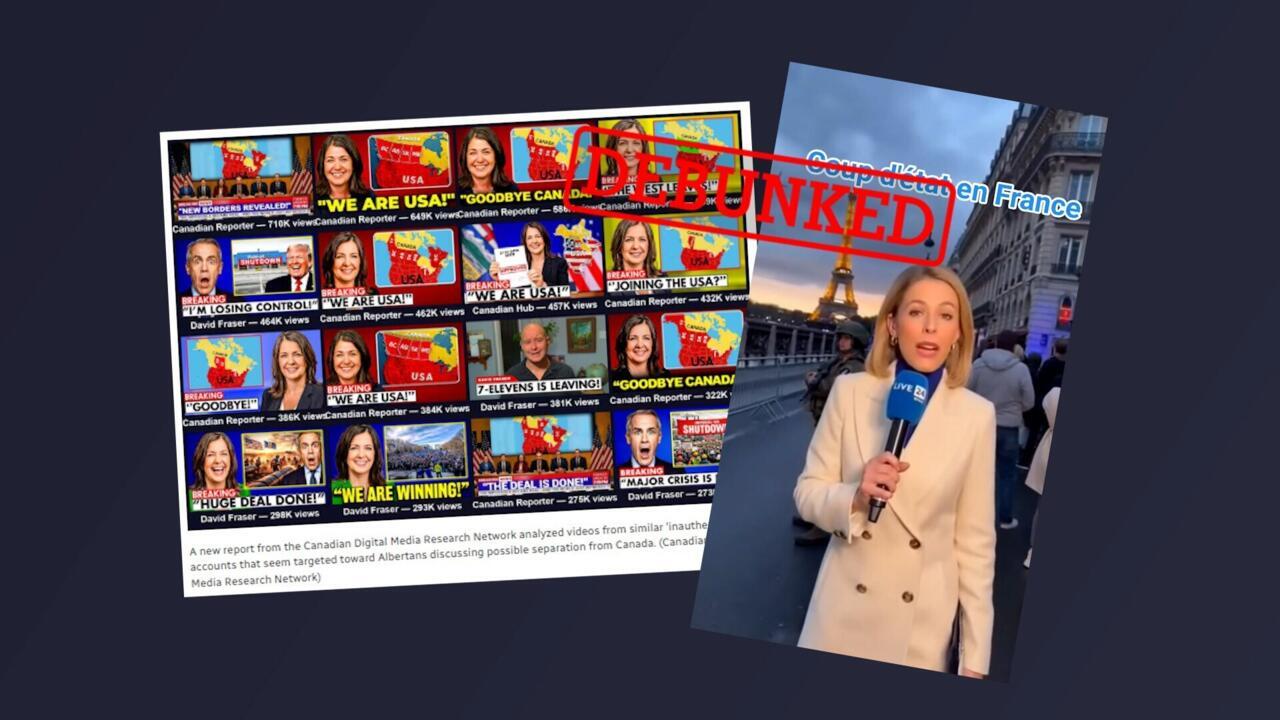
The proliferation of viral misinformation on social media is increasingly driven by a lucrative financial market system rather than solely by geopolitical or ideological agendas, according to author and academic Carlos Diaz Ruiz. Ruiz argues that online disinformation must be analysed as a distinct market ecosystem where actors are motivated by pure profit, utilising sensationalist content to generate advertising revenue within an attention economy.
Recent incidents underscore the scale of this financial incentive. In December 2025, an AI-generated video posted on Facebook by a Burkinabe teen garnered more than 10 million views, misleading an African head of state into believing a coup was underway in France. The creator told French daily Le Monde that his sole motivation was to make money. Similarly, a network of YouTube channels campaigning for Alberta’s independence in Canada, run by creators based in the Netherlands, amassed 40 million views using hired actors and AI, with monetisation as the primary driver.
Data from the SIMODS research project indicates that false or misleading content receives significantly higher engagement than credible sources across major platforms. A YouTube account posting false content receives 11 times more engagement than a credible source with the same subscriber count. On X, engagement is roughly 10 times higher, and on Facebook, it is nine times higher. Instagram and TikTok show multipliers of four and two respectively, while LinkedIn appears to avoid this trend.
Ruiz contends that social media companies function primarily as advertising firms rather than neutral technology platforms. Algorithms reward anxiety-inducing and sensationalist content to maintain viewership, which translates directly into income for influencers and revenue for platforms. Legitimate brand advertisements are distributed automatically through ad networks such as Meta Ads, often ending up on accounts spreading misinformation due to broad targeting criteria.
In late 2024, Meta anticipated generating approximately $16 billion, or 10% of its total annual revenue, from illicit ads and scams. Ruiz proposes implementing "Know Your Customer" (KYC) due diligence regulations for digital advertising to ensure traceability and accountability. This approach would require marketers to verify where their funds are going, similar to banking regulations designed to prevent money laundering and terrorist financing.