President Trump approves expanded state permits for 2026 red snapper season
The administration argues the move reflects recovering populations and reduced bureaucracy, while conservationists warn it risks breaching federal catch limits.
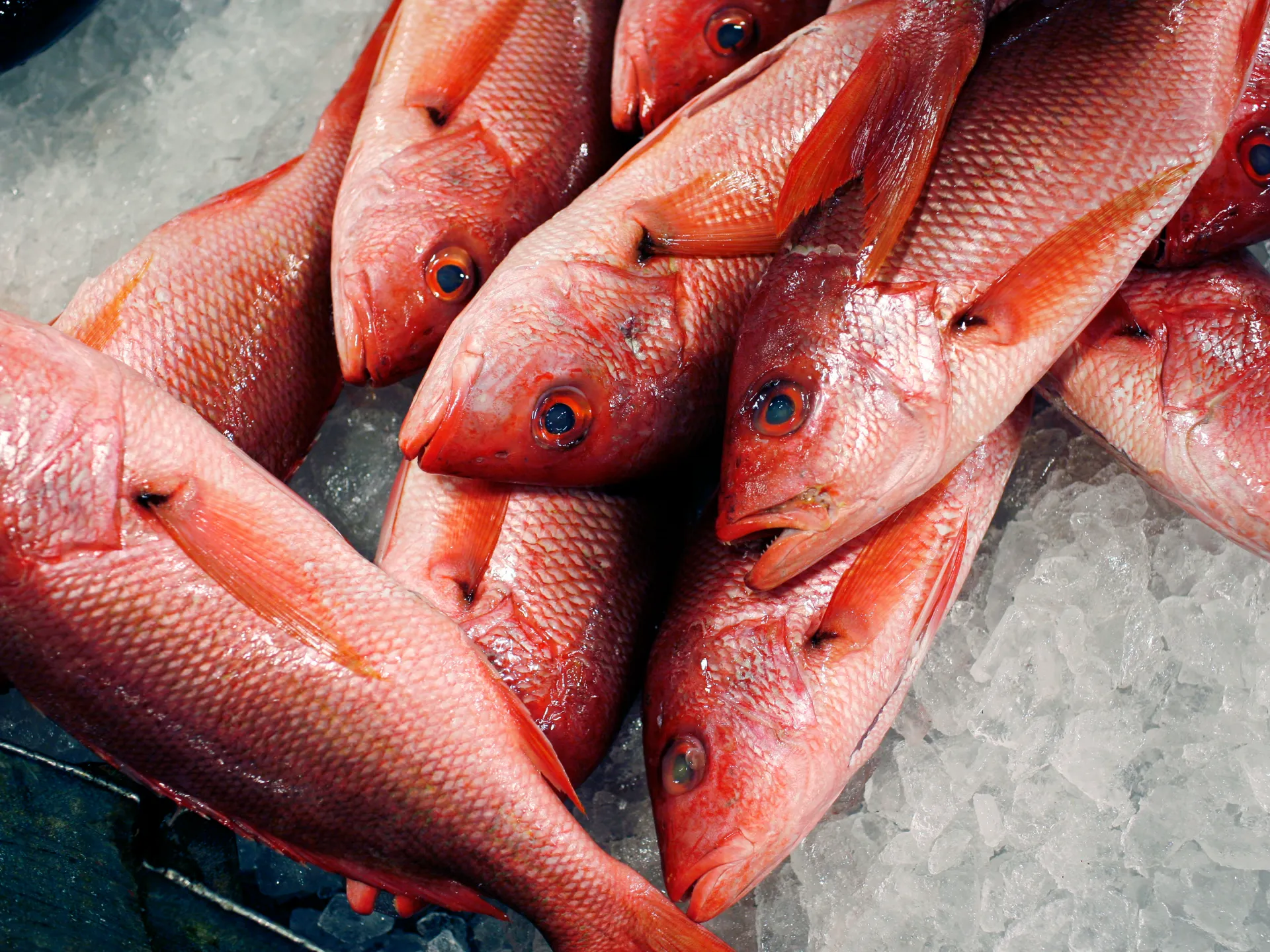
US President Donald Trump has approved all state permits for the 2026 recreational red snapper fishing season, a decision he describes as expanding access for anglers across Florida, Georgia, South Carolina, and North Carolina. In a statement shared on Truth Social, the President characterised the approval as a huge win for fishermen, asserting that state officials have long begged to oversee permits that the federal government has historically restricted.
The policy centres on coordination with the National Oceanic and Atmospheric Administration (NOAA) to shift management authority to the states for the upcoming season. This approach aligns with a broader administrative stance that seeks to reduce federal bureaucracy and return regulatory power to local jurisdictions, a strategy the administration claims better reflects current population levels.
Supporters of the move, including Florida Governor Ron DeSantis, argue that the decision acknowledges a recovering fish population and improves access for recreational anglers. Governor DeSantis highlighted the success of similar state-management approaches in the Gulf of Mexico, suggesting that states are better positioned to manage their waters than federal regulators. He noted that the administration has taken action to rein in bureaucracy and restore this authority to the states.
However, conservation groups have raised significant concerns regarding the scientific basis for the expanded season. Ocean Conservancy warns that while the Gulf population is larger, the South Atlantic stock is more vulnerable and requires stricter controls. The group cites recent data suggesting that a two-day season is necessary to prevent overfishing in the region, contrasting sharply with the proposed months-long access granted by the new permits.
Critics point out that the expanded season could result in catches far exceeding the federal annual limit of 22,797 fish for the South Atlantic recreational fishery. Ocean Conservancy estimates that a 39-day season in Florida alone could yield approximately 485,000 fish, a figure more than 20 times the established limit. The group argues that allowing such extended seasons undermines the safeguards required under the Magnuson-Stevens Act to prevent overfishing.
Historical context adds weight to these warnings, as red snapper spawning stocks in the South Atlantic fell to approximately 11 per cent of historical levels in the late 1990s and early 2000s. This decline triggered strict federal rebuilding plans set to run through 2044, yet the current approval appears to prioritise immediate access over the long-term recovery goals outlined in those plans.
While catch limits and size requirements will remain in place, the shift to state management introduces variables in monitoring and enforcement that critics say could jeopardise the future of the fishery. Conservationists warn that unproven data collection methods under the new system may mean the full extent of any damage is not realised until it is irreversible.