President tasks Ali al-Zaidi with forming new government following US ultimatum
Baghdad shifts strategy away from Nouri al-Maliki after Washington threatens to cut aid
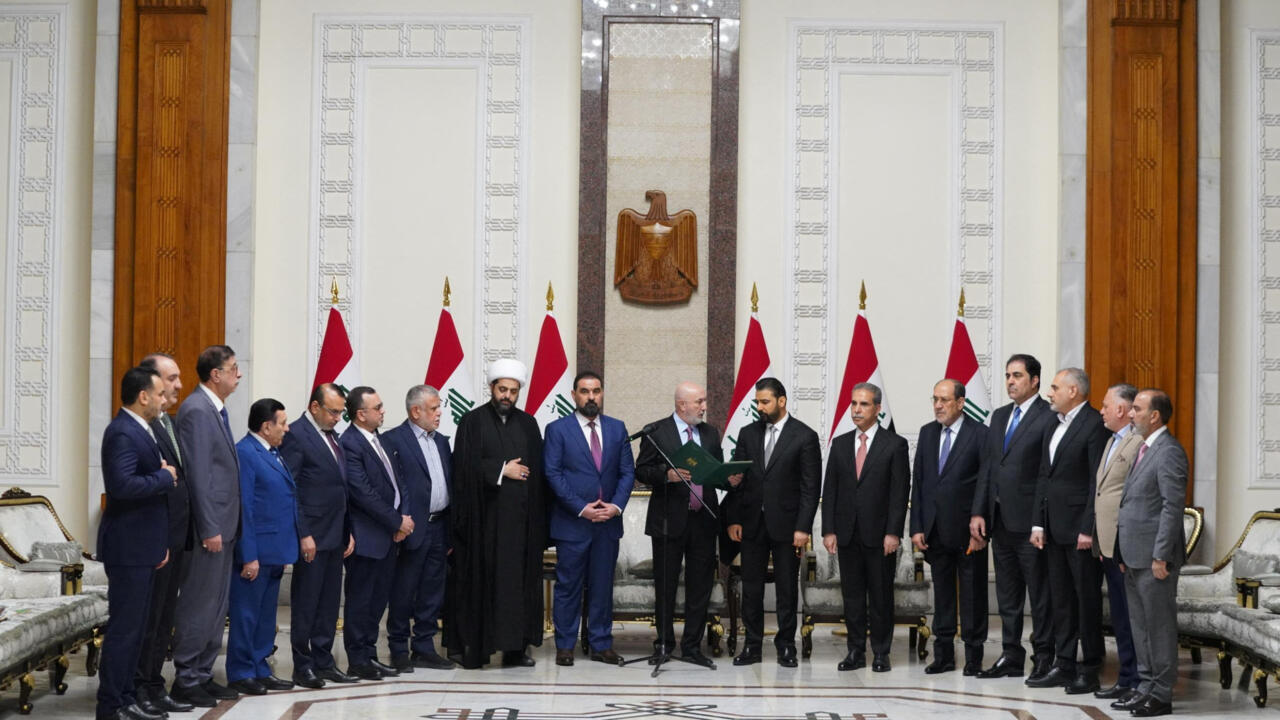
Iraqi President Nizar Amede has formally tasked businessman Ali al-Zaidi with forming a new government, marking the end of a prolonged political stalemate in Baghdad. The appointment, confirmed by the presidency on Monday, sees Zaidi, a political newcomer with no previous experience in holding government office, nominated by the country's dominant parliamentary bloc, the Coordination Framework. This development represents a significant recalibration of Iraq's internal power dynamics and its external relations with Washington.
The selection of Zaidi as a compromise candidate follows a decisive strategic shift by the Coordination Framework, an alliance of Shia factions. The bloc had initially backed former Prime Minister Nouri al-Maliki, a two-time premier with close ties to Iran, but withdrew its support after facing direct pressure from the United States. The presidency statement noted that the announcement came shortly after the Coordination Framework endorsed Zaidi, praising the "historic and responsible stance" of both Maliki and caretaker Prime Minister Mohammed Shia al-Sudani for withdrawing their candidacies.
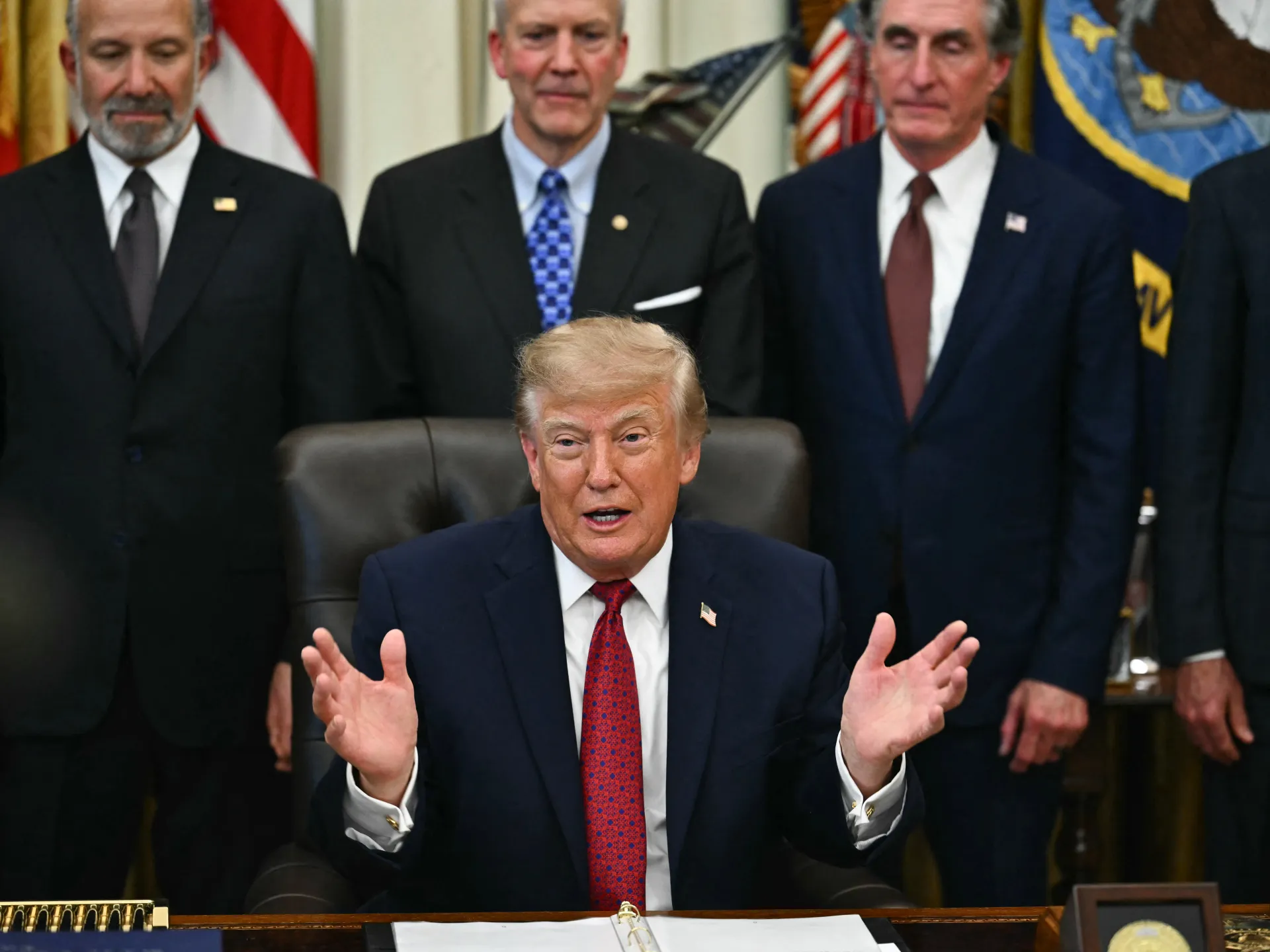
The catalyst for this political realignment was an ultimatum issued by US President Donald Trump earlier in the year. Washington threatened to cut all support for Iraq if al-Maliki were appointed to the premiership. This intervention forced Iraqi leaders into intense discussions to settle on a candidate who would not trigger the suspension of American aid, effectively prioritising continued US engagement over the preferred choice of the domestic Shia alliance.
Ali al-Zaidi is described as a figure with a background in banking and business, as well as an owner of a television channel, yet he remains little known in political circles. His nomination highlights the constraints placed on Iraqi governance by external powers, where a nomination by the largest Shia bloc effectively brings a candidate to power through presidential appointment, provided they do not alienate key international partners.
The appointment underscores the complex nature of Iraq's political landscape, which has historically navigated a tightrope between the competing influences of its ally, Iran, and its arch-rival, the United States. While the Coordination Framework's endorsement of Zaidi appears to be a tactical move to secure continued American support, the long-term implications for the bloc's relationship with Tehran remain uncertain.
As Zaidi begins the process of assembling a new cabinet, the specific timeline for completing the formation remains unclear. The presidency has not yet detailed the extent to which the US administration's threats will be monitored beyond this specific appointment, leaving the future stability of the new administration dependent on the successful navigation of these geopolitical pressures.