President asserts ceasefire halts statutory deadline for congressional war authorisation
Hostilities with Iran formally terminated on the 60th day since initial notification, yet no long-term peace deal has been secured despite ongoing diplomatic overtures
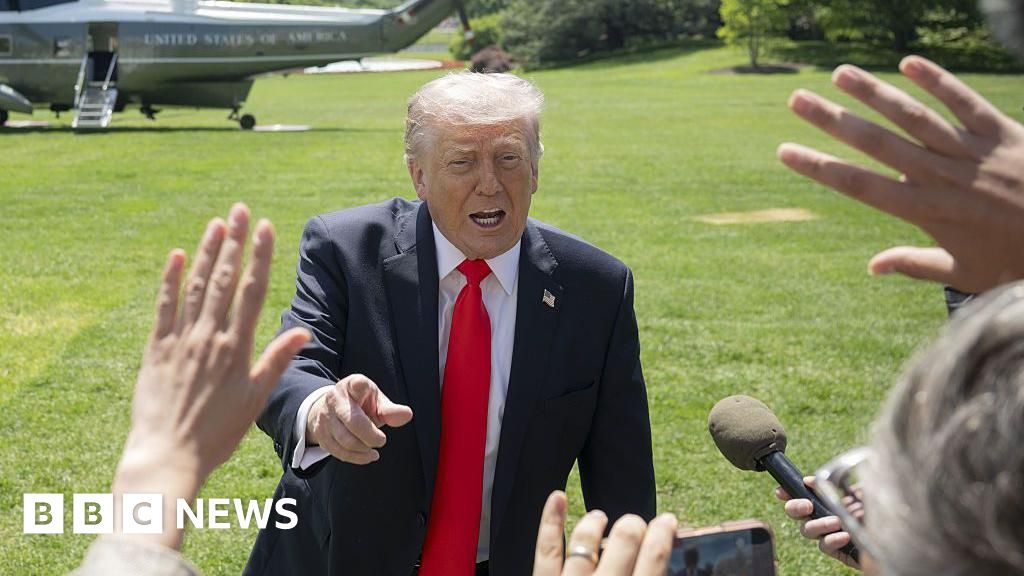
President Donald Trump has formally notified Congress that hostilities between United States forces and Iran have terminated following the implementation of a ceasefire. In correspondence addressed to congressional leaders, the President argued that this cessation of hostilities exempts him from seeking further legislative authorisation for the conflict. The notification marks the 60th day since the initial strikes were announced on 28 February 2026, a period during which no exchange of fire has occurred since 7 April 2026.
Central to this assertion is the administration's interpretation of the War Powers Resolution of 1973. President Trump stated that the ceasefire effectively pauses the statutory 60-day clock required for seeking approval, thereby allowing him to continue directing armed forces under his constitutional authority as Commander in Chief. He emphasised that the termination of active hostilities meant the requirement to end the use of forces or obtain an extension had been satisfied without a formal declaration of war from lawmakers.
This legal stance was reinforced during a congressional hearing by United States Defence Secretary Pete Hegseth. The Secretary testified that the current ceasefire status meant the deadline to seek legislative approval had paused or stopped. However, this interpretation was immediately challenged by Democratic Senator Tim Kaine, who disputed the validity of pausing the statutory clock. Senator Kaine maintained that the text of the law did not support the administration's view that a ceasefire halts the 60-day requirement.
Despite the formal notification of terminated hostilities, no long-term peace agreement has been reached between the two nations. While the United States and Iran remain in a state of ceasefire, diplomatic progress has stalled. Iranian state media, specifically the news agency IRNA, reported that Tehran has sent a new proposal for negotiations to intermediaries in Pakistan. Details of this proposal remain unpublished, and it is currently unclear whether the United States has received or reviewed the offer.
President Trump expressed dissatisfaction with the lack of a concluded deal, noting that progress has been hindered by confusion within the Iranian leadership. He attributed this internal disarray to military casualties suffered by top Iranian officials during the conflict. During a briefing with reporters, the President indicated he was not happy with the situation, citing a conversation with Iranian counterparts where the path forward remained uncertain.
The administration has indicated that options for the future conflict range from total military escalation to diplomatic negotiation, with US Central Command having briefed the President on these choices. Meanwhile, legislative efforts by the Democratic-led Congress to constrain the administration regarding the Iran conflict have repeatedly failed. Although most Republicans have opposed these constraints, some have suggested they might reconsider their positions once the 60-day mark has fully elapsed.