Prediction markets boom as US lawmakers face betting restrictions
Senators are now prohibited from using prediction sites, while a soldier faces charges for betting on the abduction of Venezuelan President Nicolas Maduro, highlighting the contentious nature of the industry.
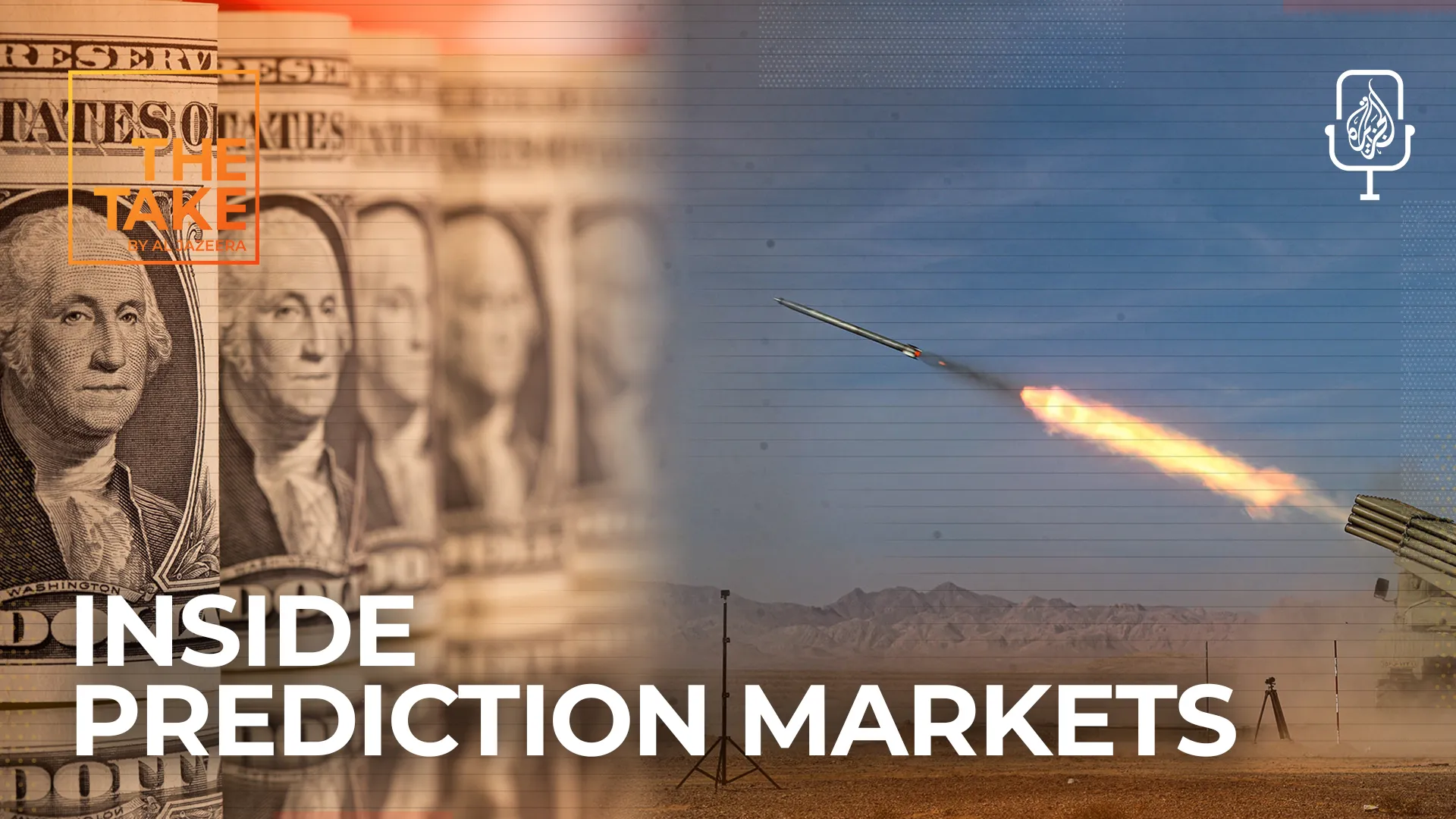
The United States has witnessed a significant surge in the popularity of prediction markets, with platforms such as Polymarket and Kalshi experiencing rapid growth. This expansion has coincided with a sharp increase in controversy surrounding the ethics and regulation of wagering on real-world events.
As these digital betting venues boom, so too have the disputes regarding where the line is drawn for taking a bet on potential disasters or geopolitical shifts. The sector is currently navigating a complex landscape where commercial success is inextricably linked to public and political debate over the morality of such wagers.
In response to these concerns, the United States Senate has moved to prohibit its members from using these prediction market platforms. This legislative action marks a significant shift in how federal officials are permitted to engage with the industry, effectively banning Senators from placing bets on outcomes generated by these sites.
The regulatory friction has extended beyond the halls of Congress into the military sphere as well. A United States soldier has been formally charged following reports that he placed bets on the abduction of Venezuelan President Nicolas Maduro. This incident underscores the legal risks associated with using these platforms for speculative purposes involving foreign leaders and security events.
These developments suggest that the rapid rise of prediction markets is not without significant institutional pushback. The combination of bans on high-profile political figures and criminal charges against military personnel indicates a tightening of the regulatory environment surrounding these emerging financial instruments.
While companies like Polymarket and Kalshi continue to expand their user bases, the current climate suggests that the industry faces an uncertain future as governments seek to define the boundaries between legitimate forecasting and problematic gambling on sensitive global affairs.